Container Gardens
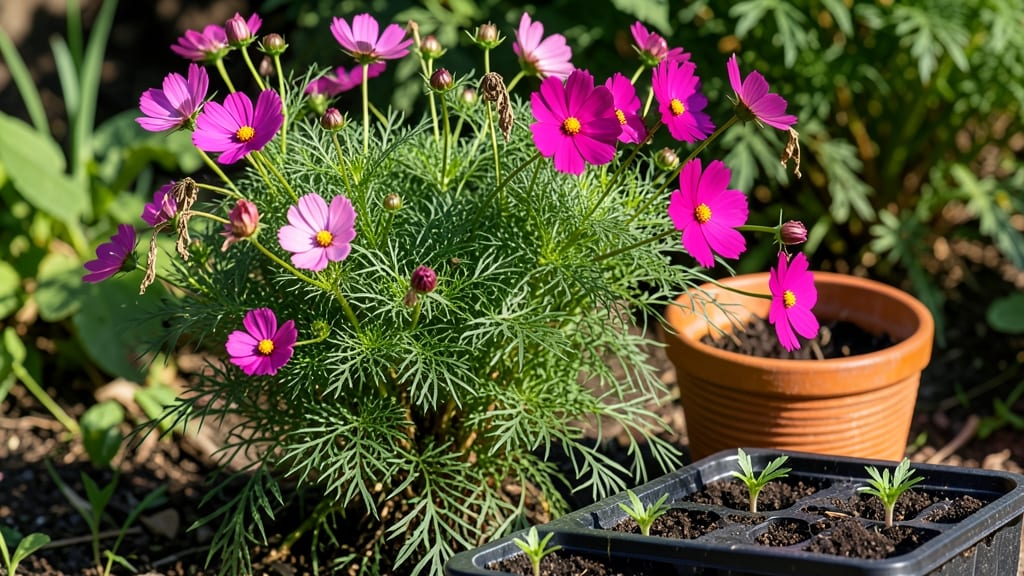
Planting wildflowers in pots turns even the smallest balcony into a buzzing pollinator paradise. 🌸 I’ve filled window boxes and hanging baskets with these hardy blooms, and the results—vibrant color, zero fuss—always surprise first-timers.
The key lies in the right mix of seeds, soil, and sunlight, which I’ll break down so your pots thrive year-round.
You’ll need 5-10 gallon containers for most wildflower mixes, well-draining soil (add perlite or sand if yours is heavy), and a sunny spot getting 6+ hours of light daily. Skip the fancy tools—just a trowel, gloves, and a spray bottle for gentle watering.
Native seed blends like black-eyed Susan or coneflower handle neglect beautifully, while annuals like cosmos bloom fast and keep coming.
By week 6, you’ll see a riot of color that attracts bees, butterflies, and hummingbirds—no chemicals, no pesticides. The plants self-seed, so each year they get denser and more reliable.
Even my brown thumb keeps these pots alive with just 10 minutes of care weekly. Overcrowding? Thin seedlings early. Drainage issues? Add a layer of gravel at the bottom.
This works for urban apartments, patio edges, or even a single 6-inch hanging planter on a windowsill. The beauty? You’re not just decorating—you’re creating a tiny ecosystem. Let’s get those seeds in the soil.
📚 In This Guide
- What you need
- Instructions
- Tips and common mistakes
- Wrapping up and next steps
What you need
- ● Containers: At least 2-4 pots (6–12 inches deep, with drainage holes). Choose durable materials like terracotta, ceramic, or lightweight plastic.
- ● Wildflower seeds: 1–2 seed packets (mix of annuals like cosmos, zinnias, or sunflowers + perennials like black-eyed Susans or coneflowers for longevity). Opt for native varieties if possible!
- ● Potting mix: 1 bag (5–10 lbs) of high-quality, well-draining container mix (avoid garden soil—it compacts!).
- ● Drainage layer: 1–2 inches of gravel, pebbles, or perlite to prevent root rot.
- ● Watering can or spray bottle: With a gentle spray nozzle for even moisture.
- ○ Gloves (optional): To keep hands clean while handling soil or seeds.
- ● Slow-release fertilizer: 1–2 tbsp mixed into the soil for a nutrient boost.
- ● Mulch: 1 inch of cocoa hulls or straw to retain moisture and suppress weeds.
- ● Plant markers: Small labels to track seed types (especially useful for mixes!).
- ○ Sunlight meter (optional): To check your pots’ light exposure before planting.
Step-by-Step instructions for planting wildflowers in containers
Here's how to create vibrant, low-maintenance wildflower displays that thrive year-round.
🪴 Step 1: Choose the Right Containers and Drainage
Select containers with drainage holes—wildflowers despise soggy roots. I prefer terra-cotta pots for their breathability, but any 6-12 inch diameter container works. If your pots lack drainage, drill ¼-inch holes in the bottom and line them with landscape fabric to prevent soil loss.
For year-round color, opt for deeper pots (10+ inches) to accommodate taproots like coneflowers or black-eyed Susans. Shallow pots work for annuals like zinnias or cosmos, but avoid them for perennials. Group pots of similar size together—they’ll look more intentional and make watering easier.
🌱 Step 2: Layer Soil for Optimal Drainage and Nutrition
Start with a 2-inch layer of coarse perlite or gravel at the bottom—this prevents compaction and ensures excess water drains quickly. Then, add 2 inches of high-quality potting mix mixed with compost (I use a 50/50 blend). Wildflowers thrive in well-draining, slightly sandy soil, so avoid heavy garden soil.
Top with a ½-inch layer of seed-starting mix if planting seeds directly. For transplants, loosen the root ball before placing them in the pot. Press the soil gently around the roots—too much compaction slows growth, but too little lets roots dry out. Water lightly after planting to settle the soil without displacing roots.
☀️ Step 3: Plant Wildflowers for Season-Long Blooms
Mix annuals and perennials for continuous color. Plant tall varieties (like sunflowers or liatris) in the center, medium-height (black-eyed Susans, coneflowers) in the middle ring, and short ground covers (like alyssum or creeping thyme) at the edges. This creates a natural, layered look that hides soil and prevents leggy growth.
Space plants 6-12 inches apart, depending on maturity size. Overcrowding leads to weak stems and poor airflow, inviting fungal diseases. Water deeply after planting—until water runs freely from the drainage holes—to encourage root establishment. Mulch with ¼-inch of decorative gravel (not organic mulch) to retain moisture and suppress weeds.
💧 Step 4: Water and Maintain for Long-Term Success
Water deeply 2-3 times per week during the first 4-6 weeks to establish roots. Once established, wildflowers are drought-tolerant, but container-grown plants dry out faster than in-ground ones. Check soil moisture by sticking your finger 1 inch deep—if it’s dry, water until moisture reaches 3-4 inches down.
Fertilize lightly once in early spring with a balanced, slow-release fertilizer (like 10-10-10). Wildflowers thrive in lean soil—over-fertilizing leads to leafy growth at the expense of blooms. Deadhead spent flowers weekly to encourage more blooms, but leave some seed heads for wildlife and winter interest. Rotate pots quarter-turn weekly to ensure even sunlight exposure.
✂️ Step 5: Overwinter and Refresh for Next Season
In fall, reduce watering but keep soil lightly moist. Cut back dead foliage in late winter (just before new growth appears) to prevent pests and diseases. Add a 1-inch layer of fresh potting mix to replenish nutrients. If pots are heavy or cracked, repot into fresh containers—wildflowers reward renewal with vibrant new growth.
Here’s the thing—wildflowers in pots multiply effortlessly. By spring, you’ll have volunteer seedlings popping up everywhere. Share them with friends or replant them to fill gaps naturally. With minimal fuss, you’ll have year-round color, pollinators buzzing around your pots, and a garden that feels wild but stays tidy.
Tips & tricks for perfect wildflower container gardens
Here's what I've learned after years of growing wildflowers in pots—these tricks make all the difference for thriving, low-maintenance displays.
Container Selection Wisdom: Terra-cotta pots are my go-to because they breathe better than plastic, but don't overlook fiberglass or ceramic options. For 6-12 inch diameter containers, prioritize weight—heavier pots stay stable in windy conditions. If using hanging baskets, choose ones with at least 10 inches of depth to accommodate taproots. I've found that deeper pots (10+ inches) are worth the investment for perennials like coneflowers, which develop strong root systems over time.
Soil Layering Secret: The 2-inch gravel base in Step 2 isn't just about drainage—it creates air pockets that prevent root rot. For extra insurance, mix in orchid bark chips (optional) into your potting mix to improve aeration. When pressing soil around roots, aim for gentle firmness—think "snowball consistency." Too loose and roots won't anchor; too tight and they'll struggle to spread. Water lightly after planting to help settle the soil without displacing delicate roots.
Plant Arrangement Hack: For that professional layered look in Step 3, use the "odd-number rule"—group plants in threes or fives rather than even numbers. This creates visual interest while maintaining balance. When spacing 6-12 inches apart, consider each plant's mature size: a sunflower's 6-foot height needs room at the center, while alyssum's 6-inch spread belongs at the edges. Pro tip: Place taller varieties slightly off-center to create natural focal points that draw the eye through your container garden.
Year-Round Maintenance Strategy: The quarter-turn weekly rotation in Step 4 isn't just about even sunlight—it's a growth regulator. Plants naturally lean toward light sources, so rotating prevents them from becoming lopsided. In winter, move pots to a sheltered location where they can still receive some sunlight (even indirect light helps). When adding that 1-inch fresh potting mix in Step 5, mix in a handful of worm castings for natural nutrients that won't burn sensitive wildflower roots.
Pro Tips for Planting Wildflowers In Pots
- Here's what I've learned after years of growing wildflowers in pots—these tricks make all the difference for thriving, low-maintenance displays.
- Container Selection Wisdom: Terra-cotta pots are my go-to because they breathe better than plastic, but don't overlook fiberglass or ceramic options.
- Soil Layering Secret: The 2-inch gravel base in Step 2 isn't just about drainage—it creates air pockets that prevent root rot.
Frequently asked questions
Got questions about growing wildflowers in pots? You’re not alone—this vibrant, low-maintenance gardening trend has plenty of curious newcomers! Below, we’ve rounded up the most common queries to help you get started with confidence.
What’s the best soil mix for wildflowers in containers?
Use a well-draining potting mix blended with 20-30% perlite or coarse sand to mimic wildflower habitats. Avoid heavy garden soil—it compacts and traps moisture, leading to root rot. For extra flair, mix in a slow-release fertilizer (like 10-10-10) to support early growth.
When is the best time to plant wildflower seeds in pots?
For spring blooms, sow seeds in early spring (after the last frost). For fall/winter interest, plant in late summer or early fall—many wildflowers (like poppies or cosmos) germinate best in cooler temps. Pro tip: Stratify seeds (chill them in the fridge for 2-4 weeks) if your mix doesn’t specify pre-treatment!
How often should I water potted wildflowers?
Water deeply but infrequently—aim for 1-2 inches of water per week, letting the top inch of soil dry out between waterings. Overwatering is the #1 killer! Once established, most wildflowers are drought-tolerant. Mulch with pebbles or straw to retain moisture and deter weeds.
Can I reuse last year’s wildflower pots for new seeds?
Yes! Sterilize containers first to prevent disease: Scrub with soapy water, rinse, and soak in a 1:9 bleach-water solution for 10 minutes. Rinse thoroughly. If pots are cracked or degraded, replace them—wildflowers need room to spread roots (and they hate being root-bound!).
What do I do if my wildflowers attract too many pests (like aphids or slugs)?
Most pests are harmless, but for aphids, blast them off with water or introduce ladybugs. For slugs/snails, use copper tape around pot edges or sprinkle diatomaceous earth (food-grade). Avoid chemical pesticides—wildflowers support pollinators, and you want to keep them safe!
What are some low-maintenance wildflower alternatives for pots?
If you want easy, fast color, try these self-seeding or long-blooming varieties:
Mix 3-5 types per pot for a wildflower “drift” effect!
Wrapping up and next steps
Planting wildflowers in pots is a simple, rewarding way to bring vibrant color and life to your space—without the high-maintenance demands of traditional gardens. 🌸 With the right soil, sunlight, and a little patience, you’ll enjoy blooms year-round that attract pollinators and lift your spirits.
Start small, experiment with varieties, and soon you’ll be hooked on this effortless beauty!
Your next step? Grab a pot, pick your favorites, and get planting! Share your progress with us—we’d love to see your wildflower haven come to life. Happy gardening! 🌱