
Flowers
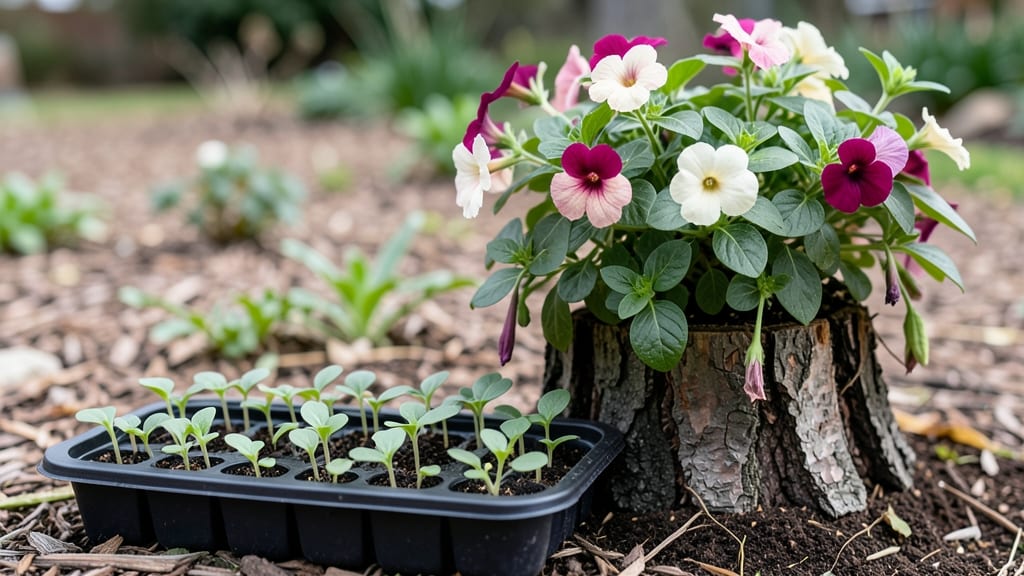
Planting flowers in tree stumps turns an eyesore into a vibrant vertical garden—and it’s easier than you’d think. I’ve turned three stumps in my yard into lush living sculptures, each bursting with color from spring through winter.
The key is choosing the right plants and giving them the proper start, which is exactly what we’ll cover here.
You’ll need a few simple supplies: a drill with small bits, some waterproof sealant, lightweight potting mix, and plants that thrive in shallow soil. Succulents, ferns, and small flowering annuals like impatiens or lobelia work beautifully, while moss adds a soft, natural touch.
The best part? This project takes just a weekend and costs far less than hiring a landscaper to remove the stump entirely.
Imagine a stump wrapped in cascading purple verbena or bright orange nasturtiums, their colors popping against the wood’s natural tones. With proper care, these gardens stay vibrant for years, requiring only occasional watering and an annual top-dressing of mulch.
The vertical space also makes weeding nearly impossible—no more bending over for hours.
Perfect for small spaces, urban yards, or as a striking focal point in a larger garden. Whether you’re reviving an old stump or repurposing a recently removed one, this method adds bold texture and color without the hassle. Let’s get those stumps blooming!
📚 In This Guide
- What you need
- Instructions
- Tips and common mistakes
- Wrapping up and next steps
What you need
- ● Tree stump: A freshly cut stump (preferably within the last 6–12 months) with a flat, stable top. Diameter: at least 6 inches for small flowers, 12+ inches for larger blooms.
- ● Drill: A cordless or corded power drill with adjustable speed (1200–2000 RPM). Battery life: 20V+ for deeper stumps.
- ● Drill bits: 1/4"–3/8" spade bit (for drainage holes). Quantity: 1–2 per stump.
- ● 1/2"–3/4" hole saw (for planting pockets). Quantity: 3–6, depending on stump size.
- ● Potting soil: Lightweight, well-draining mix (e.g., cactus/succulent blend or 60% potting soil + 40% perlite/pumice). Quantity: 1–3 gallons per stump.
- ● Flowers/seeds: Stump-friendly plants: Sedum, ferns, moss, or shallow-rooted annuals (e.g., petunias, lobelia). Size: 4" pots or seeds with fast germination.
- ○ Optional evergreens: Creeping thyme or ornamental grasses for year-round texture.
- ○ Waterproof liner (optional but recommended): Heavy-duty landscape fabric or plastic sheeting (cut to fit stump top) to prevent soil erosion.
- ● Mulch: Cocoa hulls or bark chips to retain moisture and deter weeds. Quantity: 1–2 cups per stump.
- ● Decorative accents: Paint or stain (non-toxic, weather-resistant) for a polished look.
- ● Solar-powered stake lights to highlight your stump garden at night.
- ● Fertilizer: Slow-release granular fertilizer (10-10-10 ratio) for nutrient boost. Quantity: 1 tbsp per planting pocket.
- ● Drip irrigation kit: A small soaker hose or micro-spray attachment for hassle-free watering.
How to create a stunning vertical flower garden in tree stumps
Here’s how to turn old stumps into a thriving, eye-catching display that brings color to your yard all year.
Prepare the Tree Stump for Planting
Start by cleaning the stump thoroughly with a wire brush to remove loose bark, dirt, and debris. This ensures your plants have direct contact with the wood, which will eventually break down and provide nutrients. If the stump is still damp, let it dry out completely—moisture can lead to rot before your flowers even get a chance to grow.
Next, drill ¼-inch drainage holes every 4-6 inches around the stump, about 1 inch deep. These holes allow excess water to escape while keeping the soil in place. I like to space them evenly so water distributes evenly when I water. Once done, give the stump a final wipe-down with a damp cloth to remove any dust from drilling.
Fill the Stump with the Right Soil Mix
Use a well-draining potting mix blended with orchid bark or coconut coir to improve aeration. This mix prevents compaction and mimics the natural decomposition process of the wood. Fill the stump about ¾ full, leaving room for plants and mulch. Press the soil down gently with your hands to eliminate air pockets—this helps roots establish contact with the wood faster.
If your stump is particularly deep, add a 1-inch layer of perlite or pumice at the bottom before the soil. This extra drainage layer prevents waterlogging, which can suffocate roots. I’ve found that stumps with deeper cavities benefit most from this step, as they hold more moisture and need extra airflow.
Select and Plant Stump-Friendly Flowers
Choose drought-tolerant, shallow-rooted flowers like sedum, ferns, or mosses—they thrive in the unique conditions of a stump. Avoid heavy feeders like petunias, which require frequent watering and rich soil. Start by making a small hole with your finger or a trowel, just deep enough to cradle the roots without burying the base of the plant.
Place each plant gently into its hole, then firm the soil around it with your fingers. Space plants 3-4 inches apart to allow airflow and prevent overcrowding. Water lightly after planting to settle the soil, but avoid soaking it—this can wash away the delicate roots. I like to mist the foliage as well to help the plants acclimate to their new home.
Mulch and Maintain for Long-Term Growth
Cover the soil surface with a 1-inch layer of shredded bark or pine needles to retain moisture and suppress weeds. This mulch also breaks down slowly, enriching the soil as it decomposes. Avoid thick mulch layers, as they can smother young plants and trap too much moisture against the wood.
Water deeply once a week during dry spells, checking that the soil stays slightly moist but not soggy. Stumps dry out faster than ground-level beds, so monitor the moisture level by sticking your finger 1 inch into the soil. If it feels dry, it’s time to water. Fertilize lightly in spring with a balanced, slow-release fertilizer to support new growth without overwhelming the plants.
Add Seasonal Interest for Year-Round Appeal
Incorporate evergreen ferns or mosses for winter texture, then layer in spring bulbs like crocus for early color. Summer-blooming sedum or heuchera add vibrant hues, while fall asters or ornamental grasses extend the season. I like to rotate plants annually to keep the display fresh—remove spent foliage in late fall and refresh the soil with a top dressing of compost before replanting.
To keep the stump looking its best, prune leggy stems in early spring and deadhead faded blooms throughout the season. This encourages bushier growth and prolongs flowering. With the right mix of plants, your stump garden will become a focal point that blooms from early spring through late fall.
Tips & tricks for perfect vertical flower gardens in tree stumps
Transforming a simple tree stump into a vertical garden takes thoughtful preparation—and these tricks ensure your plants thrive from planting to pruning.
Drainage is Everything: In Step 1, when drilling those ¼-inch holes every 4-6 inches, focus on spacing them evenly around the stump’s circumference. Uneven drainage can lead to soggy soil, which causes root rot. I’ve seen stumps with clustered holes where water pooled—always test your spacing by pouring a small amount of water and watching how it drains. This step is especially critical if your stump has deep cavities.
Soil Mix Matters: The ¾-full fill of well-draining potting mix in Step 2 should feel like damp sand—not mud. If your stump is particularly deep, that extra 1-inch layer of perlite at the bottom makes all the difference. I’ve found that mixing in a handful of compost (about ¼ cup) with the potting mix gives plants a gentle nutrient boost without overfeeding them. This is where many gardeners go wrong—they skip the aeration components.
Plant Placement Precision: When spacing plants 3-4 inches apart in Step 3, think about their mature size. Ferns and mosses stay compact, but sedum can spread. Place taller varieties toward the center of the stump so they don’t shade smaller plants at the edges. I like to sketch a quick layout before planting—it saves time and prevents overcrowding later. Also, water lightly after planting, but resist the urge to soak the soil; this prevents root displacement.
Mulch Like a Pro: That 1-inch layer of shredded bark in Step 4 isn’t just decoration—it’s a moisture regulator. Too much mulch (over 1.5 inches) can smother plants, while too little leaves soil exposed to dry out. I’ve noticed that pine needles work especially well in cooler climates because they decompose slowly. For extra protection, add a thin layer of landscape fabric beneath the mulch if you’re dealing with aggressive weeds.
Pro Tips for Planting Flowers In Tree Stumps
- Transforming a simple tree stump into a vertical garden takes thoughtful preparation—and these tricks ensure your plants thrive from planting to pruning.
- Drainage is Everything: In Step 1, when drilling those ¼-inch holes every 4-6 inches, focus on spacing them evenly around the stump’s circumference.
- Soil Mix Matters: The ¾-full fill of well-draining potting mix in Step 2 should feel like damp sand—not mud.
Frequently asked questions
Got questions about transforming tree stumps into vibrant vertical gardens? You’re not alone! Here are some of the most common queries—and their solutions—to help you get started with confidence.
Can I plant flowers in any tree stump?
Not all stumps are created equal! Choose stumps from deciduous trees (like oak, maple, or birch) since their softer wood rots faster, creating ideal pockets for roots. Avoid coniferous stumps (pine, cedar) or treated wood—they resist decomposition and may harbor pests. Always opt for fresh, recently cut stumps for the best results.
When is the best time to plant flowers in a tree stump?
Spring and early summer are your best bets! Plant in spring (after the last frost) to give flowers time to establish roots before winter. If you’re in a mild climate, early summer works too—just ensure the stump has enough moisture. Avoid planting in late summer or fall, as cooler temps slow growth and may stress young plants.
How do I keep the stump moist enough for the flowers?
Stumps dry out fast—especially in hot or windy conditions. Water deeply 2–3 times per week for the first month, then taper to once a week once roots take hold. Use a spray bottle for delicate flowers or a soaker hose for larger stumps. Mulch the top with sphagnum moss to retain moisture and suppress weeds.
What are some low-maintenance flower options for tree stumps?
Not all flowers thrive in stumps, but these hardy, drought-tolerant picks are perfect:
- Sedum (Stonecrop): Succulent, thrives in tight spaces, and loves heat.
- Ferns (e.g., Boston or Maidenhair): Lush, shade-tolerant, and great for moisture retention.
- Moss (Sheet or Reindeer): Zero-maintenance, adds texture, and stays green year-round.
- Orchids (e.g., Dendrobium): Epiphytic varieties cling to stumps naturally.
My flowers are wilting—what went wrong?
Wilting usually means one of three things:
- Poor drainage: If water pools at the base, drill small drainage holes or add perlite to the soil mix.
- Overwatering: Stumps rot quickly—let the top inch of soil dry out between waterings.
- Pests or rot: Check for fungus gnats or mold. Treat with neem oil or replace soggy moss.
Wrapping up and next steps
Transforming old tree stumps into vibrant vertical gardens isn’t just creative—it’s a sustainable and stunning way to breathe new life into your outdoor space! 🌸 With the right plants, soil mix, and a little patience, you’ll enjoy year-round color that turns eyes (and neighbors) into admirers.
Whether you’re a gardening pro or a beginner, this project proves that even the simplest ideas can yield the most rewarding results.
Ready to take the next step? Pick your favorite stump, gather your supplies, and start planting! Share your progress with the gardening community—your blooming masterpiece might just inspire someone else to get creative too. Happy growing! 🌱