
Aphids
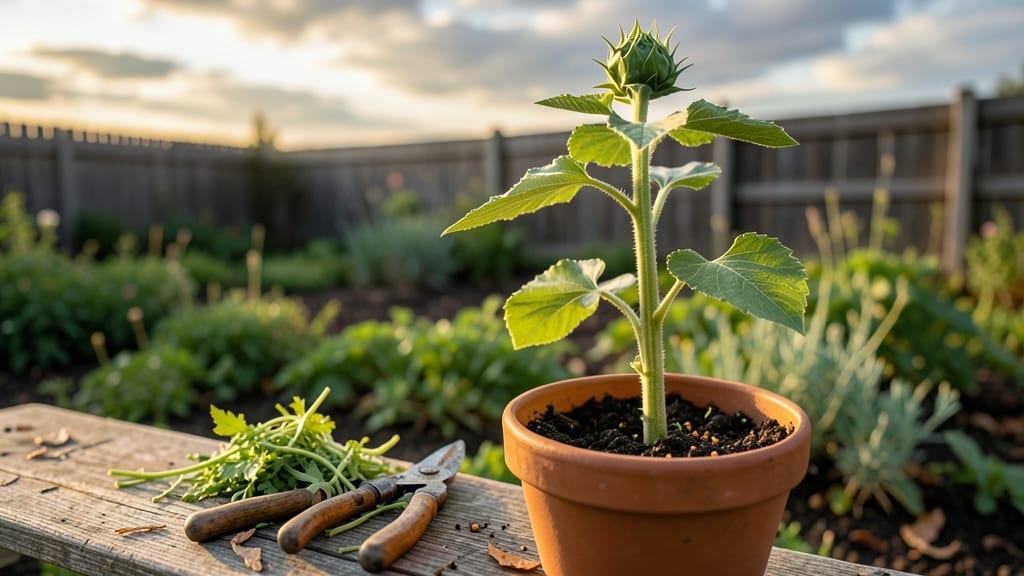
Pinching out sunflowers transforms skinny, leggy stalks into thick, sturdy plants with multiple blooms—something I learned after watching my first batch flop in a summer breeze.
The trick lies in stopping those early flowers from forming, which forces the plant to focus energy on building a stronger stem and more branches. Most gardeners miss this step because they assume sunflowers grow on their own, but a little pruning at the right time makes all the difference.
You’ll need a sharp pair of pruners or even your fingernails for this 5-minute job, and the best time to act is when seedlings are 6–12 inches tall but haven’t yet formed buds. That’s usually 4–6 weeks after planting, depending on your climate.
The goal is to remove the top set of leaves and the growing tip just above a leaf node—this signals the plant to send out side shoots instead of shooting straight up.
What you’ll end up with is a sunflower that’s half as likely to topple in storms and produces 2–3 times more blooms than unpinched plants. The stems thicken noticeably within weeks, and the extra branches mean more cut flowers or seeds to harvest.
Just avoid pinching too late—once buds form, it’s too late to change the plant’s growth pattern.
Works for all sunflower varieties, from towering mammoth types to compact snack-size ones. The only rule? Don’t skip this step if you want plants that look like they belong in a garden, not a wind tunnel. Ready to try it?
📚 In This Guide
- What you need
- Instructions
- Tips and common mistakes
- Wrapping up and next steps
What you need
- ● Sunflower plants: Healthy, non-bolting sunflowers (preferably Helianthus annuus varieties like 'Mammoth' or 'Autumn Beauty') at the 5–8 leaf stage (about 6–12 inches tall).
- ● Clean, sharp pruning shears or scissors: Sterilized to avoid spreading disease (rubbing alcohol wipe works!). Avoid dull tools—crushing stems stresses plants.
- ○ Gloves (optional but recommended): Lightweight gardening gloves to protect hands from sap and thorns (especially on giant sunflower varieties).
- ● Garden twine or soft plant ties: 3–4 feet per plant to support pinched stems (if needed for taller varieties).
- ○ Balanced fertilizer (5-10-10 or 10-10-10): 1 tablespoon per plant post-pinching to encourage bushier growth. Optional: Add compost for organic nutrition.
- ● Plant growth regulator (e.g., paclobutrazol): Diluted spray (follow label) to further delay bolting in hot climates. Use sparingly!
- ● Shade cloth (30–50% coverage): Temporary setup if your sunflowers are in intense heat (85°F+).
- ● Stake or bamboo support: For varieties prone to flopping (e.g., 'Russian Giant'). Insert stakes early to avoid damaging roots.
- ● Spray bottle with water: Light misting post-pinching helps reduce stress on the plant.
How to pinch out sunflowers for thicker, more stable stalks
This simple technique strengthens your sunflowers naturally—no special tools needed.
🌱 Step 1: Identify the Right Time to Pinch
Wait until your sunflower has grown 4-6 inches tall and developed 4-6 true leaves—these are the larger leaves that appear after the initial seed leaves. Pinching too early can stunt growth, while waiting too long means the plant has already committed to flowering. I always check for healthy, upright stems with no signs of wilting or yellowing before proceeding.
Morning is the best time to pinch because the plant's moisture levels are highest. If you pinch in the afternoon, the cut area may dry out overnight, increasing the risk of disease. Use clean fingers or small pruning shears—no need for sterilization unless you're working with multiple plants in succession.
✂️ Step 2: Locate and Remove the Main Bud
Look for the small bud at the very top of the stem, just above where the leaves attach. This is the terminal bud—the one that will eventually bloom into the main flower. Gently squeeze it between your thumb and forefinger until it snaps off cleanly. If you're using shears, make a sharp cut just above the bud to avoid damaging the stem.
Don't worry if a tiny drop of sap appears—this is normal. The goal is to remove the bud entirely, not just crush it. If you leave any part of the bud, the plant may still bolt (send up a flower stalk) from that spot. After pinching, step back and admire your work—the plant will now focus energy on growing thicker, stronger stems instead of flowering.
🌿 Step 3: Monitor for New Growth and Repeat if Needed
Within 7-10 days, you should see two new side buds forming where the terminal bud was. These buds will grow into secondary stems, each producing its own flower. Watch for new leaf growth at the top of the plant—this is your signal that the pinch worked. If the plant remains stunted or doesn't produce new buds, it may be too late, or the plant was already committed to flowering.
Some varieties, like 'Mammoth' or 'Russian Giant,' benefit from a second pinch when the side stems reach 8-10 inches tall. This encourages even more branching and larger flower heads. However, if your sunflowers are already tall and sturdy, skip the second pinch—they may not need it to stay strong.
☀️ Step 4: Provide Extra Care After Pinching
After pinching, sunflowers need consistent watering to recover. Keep the soil moist but not soggy—stick your finger 1 inch deep into the soil. If it feels dry, water deeply at the base of the plant. Avoid wetting the leaves to prevent fungal diseases like powdery mildew, which can weaken the plant after the stress of pinching.
Fertilize with a balanced, water-soluble fertilizer (like 10-10-10) one week after pinching to support new growth. I like to mix it at half-strength to avoid overfeeding the plant. Sunflowers are heavy feeders, but too much fertilizer can lead to weak stems or excessive leaf growth at the expense of flowers.
⏰ Step 5: Watch for Bolting and Adjust as Needed
Bolting happens when a sunflower suddenly sends up a tall, thin flower stalk from the center or sides. If you see this after pinching, it means the plant is still trying to flower. Don't panic—simply pinch out the new bolt as you did the first bud. Some varieties are more prone to bolting, especially if they're stressed by drought, heat, or poor soil.
If bolting happens repeatedly, your sunflowers might be too mature for pinching. In that case, focus on supporting the stems with stakes or cages instead. A strong stalk can still produce beautiful flowers, even if it doesn't branch out as much. Keep an eye on the plant's overall health—healthy leaves mean a stronger stalk, even without pinching.
Tips & tricks for pinching sunflowers to prevent bolting
These simple tricks will help you get the most out of your sunflower pinching technique—saving you time and frustration while maximizing those beautiful blooms.
Timing is Everything: The 4-6 inch height guideline in Step 1 is your best friend. If your sunflowers are already taller than 6 inches when you pinch, they may have already started dedicating energy to flowering. Look for that second set of true leaves—these are your signal that the plant is still in its vegetative growth phase. I've learned the hard way that pinching too late often leads to weaker stems, so don't wait too long!
Tool Selection Matters: While clean fingers work perfectly fine, small pruning shears give you more control, especially with larger varieties like 'Russian Giant'. If using shears, make sure they're sharp to avoid crushing the stem. I keep a pair of clean shears specifically for gardening tasks to prevent disease spread between plants. Sterilize them with rubbing alcohol if you're working with multiple sunflowers in quick succession.
Post-Pinching Care: The 7-10 day window in Step 3 is when your sunflowers are most vulnerable. During this time, keep an eye out for any signs of stress like yellowing leaves or wilting. If you notice these symptoms, give your plants a boost with a light application of seaweed extract or fish emulsion. The one week after pinching fertilization timing is crucial—don't rush it, but don't delay either. This is when your plants need that extra nutrient support to recover and grow those strong side stems.
Variety-Specific Approach: Not all sunflowers respond the same way. 'Mammoth' and 'Russian Giant' varieties often benefit from that second pinch when side stems reach 8-10 inches, but smaller varieties like 'Teddy Bear' might not need it at all. Pay attention to how your specific variety grows—some sunflowers are naturally more sturdy and don't need the extra encouragement. When in doubt, observe your plants for a few days after the first pinch before deciding whether to repeat the process.
Pro Tips for Pinch Out Sunflowers
- These simple tricks will help you get the most out of your sunflower pinching technique—saving you time and frustration while maximizing those beautiful blooms.
- Timing is Everything: The 4-6 inch height guideline in Step 1 is your best friend.
- Tool Selection Matters: While clean fingers work perfectly fine, small pruning shears give you more control, especially with larger varieties like 'Russian Giant'.
Frequently asked questions
Got questions about pinch-out sunflowers? You’re not alone! Here are answers to the most common concerns—from timing to troubleshooting—so you can grow those towering, robust stalks with confidence.
What’s the best time to pinch out sunflowers?
Pinch out sunflowers when they’re 6–12 inches tall (or when the first 5–7 true leaves appear). This encourages bushier growth and prevents early bolting. Wait too long, and you’ll miss the window—do it too early, and the plant may struggle to recover. Aim for late spring to early summer in most climates.
How do I know if I’ve pinched too late?
If your sunflower has already developed a thick, woody stalk or a visible flower bud, pinching won’t help—you’ve missed the boat! Look for soft, flexible stems and no flower buds when you pinch. Late pinching can stress the plant, leading to stunted growth or weak stems. Better late than never? Not in this case!
Can I pinch out sunflowers if they’re already flowering?
Nope! Once a sunflower starts flowering, it’s too late to pinch. The plant’s energy is already focused on blooming and seed production. If you catch it just before flowering (when buds are forming but not yet open), you might get a second flush of side shoots—but results are unpredictable. Prevention (early pinching) is your best bet!
Are there sunflower varieties that don’t need pinching?
Yes! Bush-type sunflowers (like ‘Moulin Rouge’ or ‘Autumn Beauty’) naturally grow compact and don’t bolt as aggressively, so they rarely need pinching. Tall varieties (e.g., ‘Russian Mammoth’) benefit the most from pinching. Check your seed packet—if it says “bush” or “dwarf,” skip the pinch!
What if my pinched sunflowers still bolt or grow weak?
Bolting can still happen due to stress (heat, drought, or poor soil) or overcrowding. If this occurs:
- Water deeply 1–2 times per week (sunflowers hate dry roots!).
- Add compost or balanced fertilizer (10-10-10) to boost growth.
- Thin plants to 12–18 inches apart for better airflow.
- Consider shade cloth if your area gets extreme heat.
Wrapping up and next steps
Pinching out sunflowers may feel like a small step, but it’s a game-changer for healthier, more vibrant plants! By removing those top buds early, you encourage stronger stems, larger blooms, and even better resistance to pests like aphids. 🌱✨
Now that you’re armed with the how-to and FAQs, there’s no time like the present to grab your pruners and get growing. Try this method with your next batch of sunflowers—your future harvest (and your garden’s beauty) will thank you!
Pro tip: Snap a photo of your progress to track growth and share your success with fellow gardeners! 📸