
Flowers
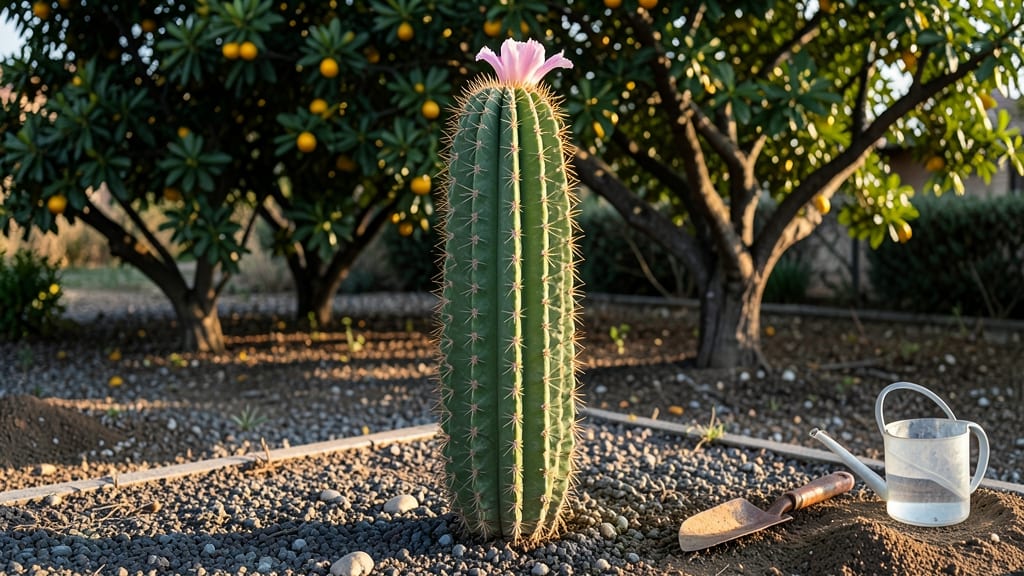
Growing a Peruvian apple cactus with its stunning night-blooming flowers is like having a tropical lantern in your home. 🌙 These cacti thrive in containers, making them perfect for patios or sunny windowsills—even if you've only got a small space.
The secret to those dramatic white blooms lies in mimicking their desert origins: bright light, minimal water, and just the right balance of heat and humidity.
You’ll need a well-draining cactus mix, a pot with drainage holes, and a spot where it gets 6+ hours of sunlight daily. Propagation is easy—just root a cutting in perlite or sand, and within weeks, you’ll have a new plant ready to grow.
The real magic happens when you trigger flowering with cool nights (around 55°F) and warm days, which is simpler than it sounds once you know the trick.
Once established, your cactus will reward you with glossy green pads, dramatic night-blooming flowers, and even edible fruit—all while requiring almost no maintenance. The blooms last just one night but open fresh every few weeks, creating a mesmerizing display that neighbors will envy.
With the right care, you’ll have a plant that’s both a conversation starter and a low-effort beauty.
Whether you’re a beginner or a seasoned grower, this cactus adapts well to indoor or outdoor conditions—just avoid soggy soil and drafts. Let’s get yours blooming like a pro, even if you’ve never grown a cactus before.
📚 In This Guide
- What you need
- Instructions
- Tips and common mistakes
- Wrapping up and next steps
What you need
- ● Peruvian Apple Cactus: 1-3 Hylocereus undatus or Hylocereus costaricensis plants (potted or bare-root)
- ● OR 3-5 healthy cuttings (4-6 inches long, with 2-3 segments)
- ● Growing Medium: 5-10 gallons of well-draining cactus/succulent mix (or DIY: 60% potting soil + 30% perlite + 10% coarse sand)
- ● 1-2 terracotta or fabric pots (10-15 inches in diameter, with drainage holes)
- ○ Soil Additives (Optional but Helpful): 1 cup pumice or lava rocks (for aeration)
- ● 1 tbsp worm castings or slow-release fertilizer (5-10-10 NPK ratio)
- ● Basic Tools: 1 pair gardening gloves (cactus spines are sharp!)
- ● 1 trowel or small shovel (for planting)
- ● 1 spray bottle (for misting roots if propagating cuttings)
- ○ Support Structure (Optional but Recommended): 1 bamboo stake or trellis (3-4 feet tall, for climbing vines)
- ● Soft twine or Velcro ties (to secure vines without damaging them)
- ● Lighting: Access to bright, indirect sunlight (6+ hours daily) or 1 grow light (LED, 12-15 watts per sq. ft., for indoor setups)
- ● Climate: USDA Zones 9-11 (or indoor growing in cooler climates)
- ● Temperature: Ideal range: 65–85°F (18–29°C) (avoid frost!)
- ● Humidity: Moderate to low (30-50% humidity; avoid soggy conditions)
- ● Patience: Flowers may take 2-5 years to bloom from cuttings!
How to cultivate stunning Peruvian apple cactus flowers
Here's the straightforward approach to coax vibrant blooms from this drought-loving beauty.
🌱 Step 1: Select and Prepare Your Peruvian Apple Cactus
Start with a healthy Peruvian apple cactus (Hylocereus spp.) that's at least 3-4 years old—younger plants rarely bloom. Choose one with clean, green pads and no signs of rot or pest damage. I always inspect the base for hidden insects before bringing a new plant home.
Give your cactus a 2-3 month dormancy period in cooler conditions (55-65°F) with minimal watering. This mimics its natural seasonal cycle and triggers flowering. Place it in a bright, indirect light spot away from direct afternoon sun during this time—too much heat now will delay blooming.
☀️ Step 2: Optimize Light and Temperature for Flowering
Once dormancy ends, move your cactus to full sun exposure (6+ hours daily), but protect it from intense midday rays in hot climates. I use a sheer curtain to diffuse light during summer afternoons—this prevents sunburn while maintaining the bright conditions needed for blooming.
Maintain daytime temperatures between 70-85°F and nighttime temperatures around 60-65°F. The temperature drop at night signals the plant to produce flowers. If your home stays too warm at night, consider moving it outdoors during cooler evenings or using a small fan to create airflow.
💧 Step 3: Master the Watering Technique for Maximum Blooms
Water your Peruvian apple cactus only when the soil is completely dry—usually every 2-3 weeks during active growth. Overwatering is the #1 cause of failed blooming. I stick my finger 2 inches into the soil; if it feels dry, it's time to water.
When you do water, soak thoroughly until water runs from the drainage hole, then empty the saucer immediately. This prevents root rot while ensuring deep hydration. During the blooming season, reduce watering slightly—just enough to keep the pads slightly firm but not turgid.
✂️ Step 4: Encourage Blooming with Strategic Pruning
Remove any dead or damaged pads immediately with clean, sharp scissors. Healthy growth is key for flowering. I also trim back any overly long or leggy growth to redirect the plant's energy toward flower production.
When you see flower buds forming (they'll appear as small, fuzzy growths at the pad junctions), stop all pruning. These buds are delicate—disturbing them now can cause them to drop. Provide gentle support if needed by carefully tucking the emerging blooms against a small stake.
🌿 Step 5: Maintain Conditions for Continuous Blooming
Once your cactus begins flowering, maintain the same light and temperature conditions. The blooms typically last 1-2 nights and open during the day, so enjoy them while they last. After flowering, fertilize lightly with a balanced cactus fertilizer (5-10-5) diluted to half strength every 4-6 weeks during the growing season.
Here's the thing—Peruvian apple cacti often produce multiple flower cycles. After the first blooms fade, continue caring for your plant exactly as before. With consistent conditions, you'll often see new buds forming within 8-12 weeks. The key is patience and maintaining that perfect balance of light, temperature, and water.
Tips & tricks for perfect Peruvian apple cactus blooms
Real talk: Getting your Peruvian apple cactus to flower takes patience and precision—but these tricks will help you skip the trial-and-error phase.
Temperature Drop is Everything: That nighttime temperature drop to around 60-65°F is non-negotiable for triggering blooms. If you live in a warm climate, move your cactus outdoors during cooler evenings or place it near an open window with good airflow. I've seen plants that refused to bloom indoors until I moved them to a screened porch at night—it made all the difference.
Light Balance is Critical: While full sun exposure is essential, those intense midday rays can scorch your cactus pads. I use a sheer white curtain to filter sunlight during peak hours—this maintains the bright conditions needed for flowering without causing sunburn. Think of it as sunglasses for your plant.
Pruning Strategy for Maximum Blooms: When you see those fuzzy little flower buds forming at the pad junctions, stop pruning immediately. These buds are incredibly delicate, and even gentle handling can cause them to drop. I like to provide support by carefully tucking emerging blooms against small bamboo stakes—this prevents them from breaking under their own weight.
Fertilizer Timing Matters: After your cactus blooms, wait until new growth appears before applying that diluted 5-10-5 fertilizer. I've learned the hard way that fertilizing too soon can stress the plant after flowering. Stick to the 4-6 week schedule during the growing season, but hold off until you see fresh growth emerging from the base.
Pro Tips for Peruvian Apple Cactus Flower
- Real talk: Getting your Peruvian apple cactus to flower takes patience and precision—but these tricks will help you skip the trial-and-error phase.
- Temperature Drop is Everything: That nighttime temperature drop to around 60-65°F is non-negotiable for triggering blooms.
- Light Balance is Critical: While full sun exposure is essential, those intense midday rays can scorch your cactus pads.
Frequently asked questions
When does the Peruvian apple cactus flower bloom?
The Peruvian apple cactus (Hylocereus) typically blooms in late spring to early summer, but with proper care—like providing bright, indirect light and consistent warmth—it can flower year-round! Expect night-blooming flowers that last just 24 hours, opening in the evening and wilting by noon the next day.
Why isn’t my Peruvian apple cactus flowering?
If your cactus isn’t blooming, check these common issues:
- Light: Needs 6+ hours of direct sunlight daily (south-facing window or grow lights).
- Age: Most cacti need 3–5 years to mature and flower.
- Temperature: Keep it in 60–80°F (15–27°C); cold drafts shock the plant.
- Fertilizer: Use a low-nitrogen cactus fertilizer in spring/summer.
Can I grow Peruvian apple cactus indoors?
These cacti thrive indoors with:
- A sunny spot (south/west window or LED grow lights).
- Well-draining soil (cactus/succulent mix + perlite).
- Moderate watering (every 2–3 weeks; less in winter).
Are the flowers edible, and how do I eat them?
Yes! The Peruvian apple cactus flower (and its fruit, pitaya) are edible and delicious. To enjoy the flower:
- Pick a fully open bloom at night (peak flavor).
- Rinse gently and trim the base.
- Eat raw—crunchy, slightly tart, with a hint of apple or pear!
What are some low-maintenance alternatives to Peruvian apple cactus?
If you want easy-to-grow, flowering cacti with less fuss, try:
- Christmas cactus (Schlumbergera): Blooms in winter, thrives in indirect light.
- Prickly pear (Opuntia): Hardy, drought-tolerant, and produces edible fruit.
- Easter cactus (Hatiora): Bright flowers in spring, loves bright indirect light.
Wrapping up and next steps
The Peruvian apple cactus flower is a stunning, low-maintenance gem that brings vibrant color and joy to any garden—even in cooler months! 🌸 With its striking blooms and easy care, it’s the perfect choice for adding exotic flair without the fuss.
Whether you’re a seasoned gardener or just starting out, this plant rewards patience with breathtaking results.
Ready to bloom with confidence? Start by planting one today and watch your space transform! Share your progress with fellow plant lovers—your cactus could inspire the next big trend in year-round gardening. Happy growing! 🌱✨