
Flowers
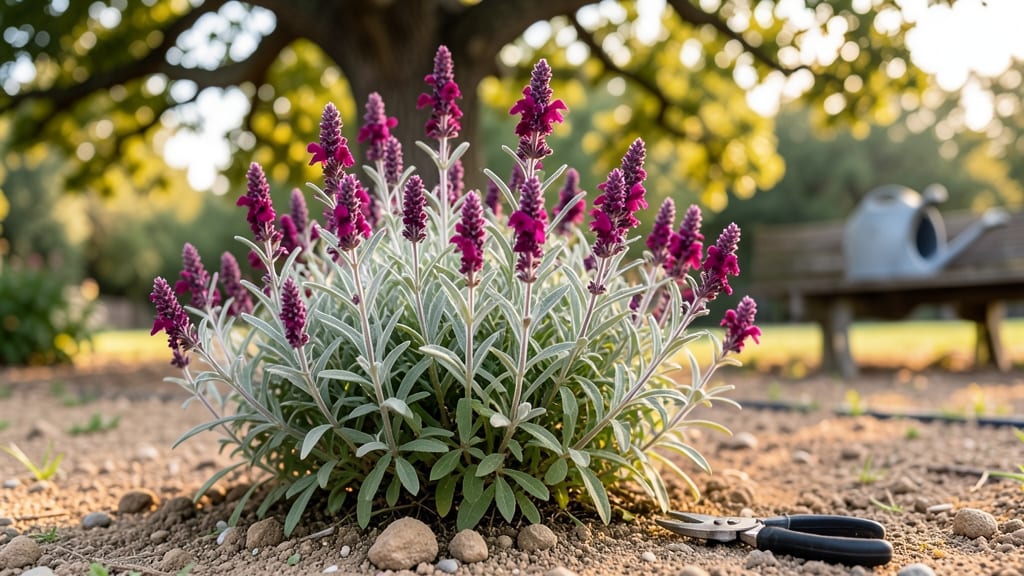
Texas heat and drought don’t stand a chance against these perennial flowers—they’re the tough, sun-loving stars that turn your yard into a blooming oasis without begging for water. 🌵 I’ve planted everything from Blackland Prairies to the Gulf Coast, and these are the varieties that not only survive but thrive—year after year, with minimal fuss and maximum wow factor.
The secret lies in matching plants to your microclimate: Hill Country gardens need deep-rooted natives like Texas Bluebonnet and Mexican Feather Grass, while Gulf Coast spots shine with Salvia greggii and Blanket Flower.
Most need well-draining soil (amend with compost if yours is heavy clay) and full sun—six hours minimum, no excuses. Once established, they sip water like a camel in a desert, and some even bloom in winter when everything else sleeps.
Picture this: purple blankets of Lupine in spring, red-orange Blanket Flower stretching summer into fall, and winter-blooming Echinacea cutting through the chill. These perennials don’t just survive—they perform, turning your yard into a pollinator paradise while saving you time and water.
The best part? No replanting, no guilt—just cut back, mulch, and repeat.
Whether you’re in Zone 8’s scorching summers or Zone 10’s mild winters, these flowers adapt—just tweak your watering schedule (deep and infrequent) and watch them reward you with bold colors, long seasons of bloom, and zero drama. Ready to make your Texas garden the envy of the neighborhood?
📚 In This Guide
- What you need
- Instructions
- Tips and common mistakes
- Wrapping up and next steps
What you need
- ● Perennial plants: Choose from Texas natives like Blackfoot Daisy (Melampodium leucanthum), Mexican Feather Grass (Nassella tenuissima), or Autumn Sage (Salvia greggii). Quantity: 3–5 plants per square foot of garden space.
- ● Well-draining soil: Amend clay-heavy Texas soil with 2–3 inches of compost or organic matter (e.g., aged manure, leaf mold).
- ● Mulch: 2–3 inches of organic mulch (e.g., cedar chips, pine straw) to retain moisture and suppress weeds.
- ○ Drip irrigation system or soaker hoses: Optional but highly recommended for efficient watering (especially during Texas heatwaves!).
- ● Garden gloves (heavy-duty for prickly plants like Agave or Yucca).
- ● Hand trowel or transplant spade for digging small holes.
- ● Pruners (bypass or felco) for shaping and deadheading.
- ● Wheelbarrow or garden cart for hauling soil, mulch, or plants.
- ○ pH testing kit (optional but helpful—Texas soil is often alkaline; aim for 6.0–7.0 for most perennials).
- ● Sunlight assessment: Map your garden’s sun exposure (full sun = 6+ hours/day; partial shade = 3–6 hours).
- ● Water source nearby (hose or irrigation setup).
- ● Local plant nursery visit to select native or adapted perennials best suited to your region (e.g., Hill Country vs. Gulf Coast).
- ● Patience! Perennials establish roots in 6–12 months—drought tolerance improves over time. 🌱
Step-by-Step guide for planting drought-tolerant perennials in Texas
Here's how to establish a thriving, low-maintenance perennial garden that handles Texas heat and drought like a pro.
🌱 Step 1: Choose the Right Native Species for Your Region
Texas spans multiple climate zones, so select perennials suited to your specific area. For North Texas, try blackfoot daisy (Melampodium leucanthum) or salvia greggii—both handle 100°F+ temperatures with ease. In Central Texas, Texas bluebonnet (Lupinus texensis) and mealy blue sage (Salvia farinacea) are unbeatable choices. South Texas gardeners should focus on turk's cap (Malvaviscus arboreus) and autumn sage (Salvia greggii 'Autumn Embers').
Here's the thing—avoid non-native perennials that require constant water. Native plants have evolved with Texas conditions, meaning they demand far less maintenance once established. Check the USDA Plant Hardiness Zone map to confirm your zone (most of Texas falls between 7-10), then pick plants rated for your specific area. I always verify drought ratings before buying—look for labels indicating "drought-tolerant" or "once established, needs minimal water."
🪴 Step 2: Prepare the Soil for Optimal Drainage
Texas soil can be heavy clay in some areas, which suffocates roots and encourages rot. Amend your existing soil with 2-3 inches of organic matter—I use a mix of composted cow manure and sand (50/50 ratio) for the best results. Work this into the top 12 inches of soil using a broadfork or tiller. The goal is to create loose, well-draining soil that mimics the natural conditions these plants thrive in.
Test your soil's drainage before planting. Dig a 12-inch deep hole, fill it with water, and time how long it takes to drain. If water remains after 4 hours, you need more sand or grit. Native Texas perennials hate soggy roots, so improving drainage is non-negotiable. I also add a slow-release granular fertilizer (10-10-10 ratio) at planting time to give roots a nutrient boost without encouraging excessive growth.
☀️ Step 3: Plant at the Right Time and Depth
Fall is the best planting time in Texas—cooler temperatures and consistent rainfall give roots a chance to establish before summer heat arrives. Plant 6-8 weeks before your first frost date (typically September-October for most of the state). Space plants according to their mature size: 12-18 inches apart for most perennials, but check individual plant tags for exceptions.
Dig holes twice as wide as the root ball but no deeper—planting too deep suffocates roots. Gently remove the plant from its container, loosen any circling roots with your fingers, and place it in the hole so the top of the root ball sits level with the surrounding soil. Backfill with native soil, tamp lightly to eliminate air pockets, and water deeply to settle everything. Mulch with 2-3 inches of shredded bark to retain moisture and suppress weeds.
💧 Step 4: Water Strategically for Deep Root Establishment
Newly planted perennials need consistent moisture for the first 30-60 days to establish roots. Water deeply 2-3 times per week (about 1 inch of water per session) rather than light daily sprinkles. The key is to encourage roots to grow deep, not shallow. You'll know you're doing it right when the soil feels damp 6 inches down—use a screwdriver to check.
After the initial establishment period, reduce watering gradually. Native Texas perennials can handle prolonged dry spells once roots are deep. By spring, most should only need watering once every 2-3 weeks unless your area experiences an extended drought. Overwatering is the #1 mistake—it leads to weak, shallow roots that can't survive Texas summers.
✂️ Step 5: Prune and Maintain for Long-Term Health
Prune perennials early spring (February-March) to remove dead foliage and shape the plant. Cut back one-third of the plant to encourage new growth. For example, blackfoot daisy benefits from a hard prune in spring, while salvias should be trimmed back after flowering to maintain shape. Always use clean, sharp pruners to avoid damaging stems.
Remove spent blooms regularly to encourage continuous flowering—this is called deadheading. For perennials like Texas bluebonnet, let some seed pods form if you want to naturalize the area. Apply a 2-inch layer of mulch annually in late winter to protect roots from temperature swings. Fertilize lightly in early spring with a balanced organic fertilizer (5-5-5 ratio), but avoid heavy feeding—native plants prefer lean soil.
Tips & tricks for perfect drought-tolerant perennial gardens in Texas
These are the hard-won lessons that'll help your Texas perennials thrive without constant fuss.
Native Plant Pairing: Group plants with similar water needs together—this is called hydrozoning. For example, pair blackfoot daisy and salvia greggii together in North Texas, as they both thrive on minimal water once established. This creates microclimates where moisture is used most efficiently. I've seen gardens where this simple grouping reduced water usage by 40% during Texas summers.
Soil Test Shortcut: If you're unsure about your soil's drainage, do this quick test: Fill a 12-inch deep hole with water and time how long it takes to drain completely. If it takes longer than 4 hours, your soil needs more sand or grit. I always add 1 part perlite to my soil mix for an extra boost of drainage—it's a game-changer for clay-heavy Texas soil.
Planting Depth Visual: When planting, use the top of the root ball as your reference point—it should sit level with the surrounding soil, not buried. I like to trace the root ball outline on the soil with a stick before planting to ensure perfect alignment. This simple trick prevents the #1 planting mistake that leads to root suffocation.
Watering Technique: For that 1 inch of water per session mentioned in Step 4, use a rain gauge or tuna can to measure accurately. Water slowly at the base of plants rather than overhead—this reduces evaporation and targets roots where they need moisture most. I set my timer for 20-30 minutes per session to ensure deep penetration without runoff.
Pro Tips for Perennial Flowers Texas
- These are the hard-won lessons that'll help your Texas perennials thrive without constant fuss.
- Native Plant Pairing: Group plants with similar water needs together—this is called hydrozoning.
- Soil Test Shortcut: If you're unsure about your soil's drainage, do this quick test: Fill a 12-inch deep hole with water and time how long it takes to drain completely.
Frequently asked questions
Got questions about growing perennial flowers in Texas? You’re not alone! Here are answers to some of the most common concerns—from drought survival to seasonal care—so you can keep your garden blooming effortlessly.
Which perennials are truly drought-tolerant for Texas?
Look for native Texan favorites like Blackfoot Daisy, Mexican Feather Grass, or Autumn Sage. These thrive with minimal water once established. Pro tip: Mulch around plants to lock in moisture!
When is the best time to plant perennials in Texas?
Fall (September–November) is ideal—cooler temps reduce stress, and roots grow strong before summer heat. Spring (February–March) works too, but water deeply until plants adjust. Avoid planting in peak summer!
How do I protect perennials from Texas pests?
Prevent issues with healthy soil (rich in compost) and proper spacing. Watch for:
- Spider mites (dry conditions) – Spray plants with water.
- Aphids (soft stems) – Use neem oil or insecticidal soap.
- Deer – Plant Lantana or Salvia (they dislike the scent!).
Do perennials need winter care in Texas?
Most native perennials handle Texas winters fine, but tender varieties (like Dahlias) may need mulch or frost cloth. Cut back dead foliage in early spring to encourage fresh growth.
What if my perennials aren’t blooming?
Check these fixes:
Issue
Solution
Too much shade
Move to sunnier spots (6+ hours/day for most perennials).
Over-fertilizing
Native plants often need less fertilizer—focus on soil health.
No deadheading
Snip spent blooms to encourage reblooming!
Wrapping up and next steps
Transforming your Texas garden into a vibrant, low-maintenance oasis is easier than you think! With drought-tolerant perennials, you can enjoy year-round blooms while conserving water and effort. These resilient beauties not only survive Texas’s unique climate but also bring joy with minimal upkeep.
Ready to get started? Pick 2–3 plants from our top picks, sketch a simple layout, and begin planting this weekend! Your future self—and your garden—will thank you. 🌸