
Flowers
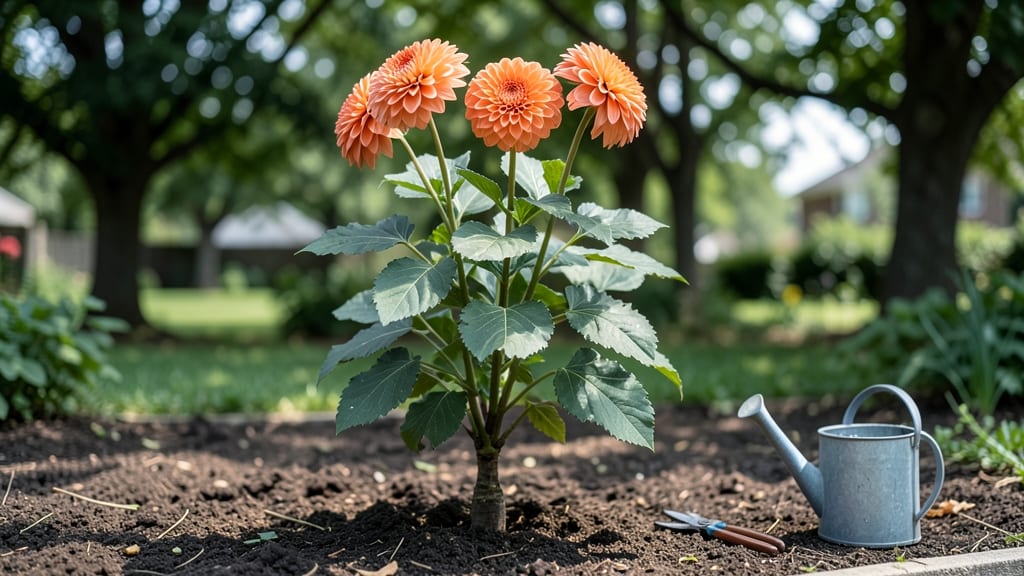
Growing an orange dahlia flower that survives Pacific Northwest winters feels like cheating—until you see it happen. 🌸 These bold blooms thrive where others fail, their fiery hues lighting up the garden long after frost.
The secret isn’t luck; it’s matching their love of rich soil, consistent moisture, and layered protection when temperatures drop.
Start with a sunny spot that gets at least 6 hours of light daily, and amend heavy clay soil with compost to improve drainage. Plant tubers 4-6 inches deep in spring after the last frost, spacing them 12-18 inches apart—this gives their dramatic foliage room to flourish.
Water deeply once a week, keeping the soil moist but never soggy, and fertilize monthly with a balanced 10-10-10 mix once growth begins.
By midsummer, you’ll be rewarded with 3-4 foot tall plants bursting with 4-6 inch blooms that range from deep tangerine to peachy apricot. The key to keeping them vibrant?
Deadhead spent flowers regularly and stake taller varieties before they topple. In fall, cut back foliage, lift tubers, and store them in a cool, dry place until spring.
This method works for all Pacific Northwest climates, from Seattle’s damp coastal air to Spokane’s drier summers. The same principles apply whether you’re planting in containers or garden beds—just adjust spacing and winter protection accordingly. Ready to grow a garden that turns heads all season long?
📚 In This Guide
- What you need
- Instructions
- Tips and common mistakes
- Wrapping up and next steps
What you need
- ● Orange Dahlia Tubers: 3–5 tubers (choose disease-resistant varieties like 'Café au Lait' or 'Bishop' for PNW resilience).
- ● Well-Draining Soil Mix: 50% native PNW soil (sandy loam preferred)
- ● 30% compost (aged, organic)
- ● 20% perlite or coarse sand (for drainage)
- ● Container or Garden Bed: Containers: 12–15" deep pots (1 per tuber) with drainage holes
- ○ Garden Beds: Full sun (6+ hours/day) with raised beds optional for frost-prone areas
- ● Mulch: 2–3 inches of straw or shredded leaves (to protect roots from frost).
- ● Balanced Fertilizer: 10-10-10 or 5-10-10 (apply at planting + monthly).
- ● Watering Can or Drip Irrigation: For consistent moisture (dahlias hate soggy roots!).
- ● Garden Gloves & Hand Trowel: For planting and soil prep.
- ● Pruning Shears: For deadheading spent blooms (encourages more flowers!).
- ● Stakes or Tomato Cages: 3–4 ft tall (dahlias can grow 3–5 ft tall!).
- ● Frost Cloth: Lightweight fabric to shield tubers in early spring/late fall.
- ● pH Test Kit: Ideal soil pH: 6.0–7.0 (adjust with lime or sulfur if needed).
- ● Slow-Release Granular Fertilizer: For low-maintenance nutrition.
- ● Decorative Accents: Garden flags, pebbles, or mulch rings to elevate your display. ✨
Step-by-step guide to cultivating stunning orange dahlias in Pacific Northwest climates
Dahlias reward patience with dramatic blooms—here’s how to coax vibrant orange canopies through cool-season challenges.
🌱 Step 1: Select and Prepare Tubers for Early Start
Choose heirloom orange dahlia tubers with multiple "eyes" (dormant buds) and soak them in lukewarm water for 12 hours to rehydrate. This jumpstarts growth before soil thaws. I like to use a shallow tray with just enough water to cover the tubers—no deeper, or they’ll rot. After soaking, let them dry for 30 minutes before handling; damp tubers bruise easily.
Here’s the thing—Pacific Northwest’s short growing season means you’ll need to start tubers indoors 8-10 weeks before last frost. Use a seed-starting mix (not garden soil) in 6-inch pots to prevent rot. Plant each tuber with 2-3 eyes facing upward, burying them 2 inches deep. The goal is to encourage multiple stems from each eye, not just one.
☀️ Step 2: Provide Warmth and Light for Early Growth
Dahlias need consistent warmth to break dormancy—aim for 65-70°F soil temperature. A seedling heat mat under pots keeps roots cozy until soil warms naturally. Place pots under grow lights (14-16 hours/day) since Pacific Northwest windows struggle to deliver enough intensity in early spring. You’ll see first green shoots in 2-3 weeks—that’s your cue to reduce bottom watering.
Watch for leggy seedlings (stems stretching toward light). This means the light source is too far away. Move it within 4 inches of the plants and rotate pots daily so stems grow straight. Once true leaves (not the initial seed leaves) appear, switch to top watering—but only enough to moisten the soil, not drench it. Overwatering now invites damping-off, a fungal disease that collapses stems overnight.
🪴 Step 3: Harden Off and Transplant After Frost Risk Passes
Two weeks before your last frost date, harden off seedlings by placing them outside in a sheltered, shaded spot for 1-2 hours the first day. Gradually increase exposure over 10-14 days, ending with a full day in morning sun. Dahlias hate cold soil—wait until soil temperature reaches 60°F before transplanting, even if air temps are warmer. Use a soil thermometer to confirm.
Dig planting holes twice as wide as the root ball but no deeper. Amend the native soil with compost (dahlias love rich, well-draining conditions) and mix in a slow-release fertilizer. Space plants 18-24 inches apart—crowding leads to weak stems and fewer blooms. Water deeply at planting to settle soil around roots, then mulch with 2-3 inches of straw to retain moisture and suppress weeds.
✂️ Step 4: Prune and Stake for Strong Canopy Growth
Once plants reach 12 inches tall, pinch back the top growth to encourage bushier stems. This is where dahlias get their dramatic structure—remove the top 3-4 inches of the main stem just above a set of leaves. Side shoots will emerge within 2 weeks; these become your flowering stems. I like to use bamboo stakes (6 feet tall) for support, tying stems loosely with soft plant ties every 6-8 inches up the stake.
Deadhead spent blooms weekly to redirect energy into new flowers. Cut stems just above a leaf node (where leaves attach) to encourage branching. In the Pacific Northwest’s cool summers, dahlias may slow growth—this is normal. Focus on even watering (1-2 inches per week) and morning sun exposure. Avoid evening watering; damp foliage invites powdery mildew, a common fungal issue.
⏰ Step 5: Extend the Season with Frost Protection
As temperatures dip toward fall frosts, take steps to prolong blooms. Black plastic mulch over the base of plants retains 10°F more warmth in the soil. I also wrap burlap around stems for extra insulation during light frosts (28-32°F). For hard frosts below 28°F, cover plants with frost blankets secured with bricks or stakes—don’t let them touch the foliage, or you’ll trap moisture.
Dig up and store tubers after the first hard frost when foliage blackens. Cut back stems to 6 inches, brush off soil, and let them dry in a shady, well-ventilated area for 2 weeks. Store in a cool (40-50°F), dark place with good airflow (like a cardboard box with holes) until spring. Label each tuber—next year’s orange canopy depends on it!
Tips & tricks for growing vibrant orange dahlias
Here's what nobody tells you about transforming those dormant tubers into a Pacific Northwest showstopper.
Soaking Secret: When you soak your heirloom orange dahlia tubers for 12 hours, use a tray with just enough lukewarm water to cover them—no deeper! I've learned this the hard way after watching tubers rot in deeper water. After soaking, let them dry for 30 minutes before planting; damp tubers bruise easily and can invite rot. Pro tip: Add a drop of hydrogen peroxide to the soaking water to prevent bacterial growth.
Light Source Strategy: Those 14-16 hours of grow light per day make all the difference in preventing leggy seedlings. I position my lights within 4 inches of the plants and rotate pots daily to ensure even growth. If you notice stems stretching toward light, it's time to move the lights closer. For extra insurance, consider a reflective surface behind the plants to maximize light efficiency—this helps when Pacific Northwest skies are overcast.
Transplant Timing: The 60°F soil temperature threshold is non-negotiable for dahlias. I always use a soil thermometer to confirm—air temperatures can be misleading. When hardening off seedlings, start with just 1-2 hours in sheltered shade, then gradually increase exposure. This slow acclimation prevents shock that could stunt early growth. Remember, dahlias hate cold soil, so never transplant until you've confirmed that temperature.
Pruning Precision: That first pinch back at 12 inches is where your dahlia's dramatic structure begins. Remove the top 3-4 inches just above a set of leaves to encourage bushier growth. I've found that using clean, sharp pruners prevents tearing stems. For the side shoots that emerge, be patient—it takes about 2 weeks for them to develop into strong flowering stems. This is where your orange canopy will truly shine.
Pro Tips for Orange Dahlia Flower
- Here's what nobody tells you about transforming those dormant tubers into a Pacific Northwest showstopper.
- Soaking Secret: When you soak your heirloom orange dahlia tubers for 12 hours, use a tray with just enough lukewarm water to cover them—no deeper!
- Light Source Strategy: Those 14-16 hours of grow light per day make all the difference in preventing leggy seedlings.
Frequently asked questions
Got questions about growing orange dahlia flowers? You’re not alone! Whether you’re a first-time gardener or a seasoned pro, these answers cover the most common concerns—from planting tips to troubleshooting. Let’s dive in!
When is the best time to plant orange dahlias in the Pacific Northwest?
Plant your orange dahlias after the last frost date in your area—typically mid-to-late May for the PNW. If you’re starting from tubers, soak them in water for 24 hours before planting. For a head start, begin seeds indoors 8-10 weeks before the last frost. Just remember: Dahlias hate cold soil, so wait until temps consistently stay above 50°F (10°C).
How often should I water my orange dahlias, especially in rainy PNW climates?
Dahlias need 1-2 inches of water per week, but the PNW’s damp weather can be tricky. Water at the base (not the leaves) to prevent fungal diseases like powdery mildew. Mulch with straw or wood chips to retain moisture and keep roots cool. If your soil feels soggy, reduce watering—dahlias prefer well-draining soil and hate waterlogged roots.
Why aren’t my orange dahlias blooming? What can I fix?
No blooms? Check these common culprits:
- Not enough sunlight: Dahlias need 6+ hours of direct sun daily. If shaded, move them or prune nearby plants.
- Over-fertilizing with nitrogen: Too much greenery = fewer flowers. Switch to a low-nitrogen, high-phosphorus fertilizer (like 5-10-10) to encourage blooms.
- Deadheading missed: Snip spent blooms regularly to prompt new flowers.
- Cold or frost damage: If planted too early, dahlias may go dormant. Wait until soil warms up!
What pests should I watch for with orange dahlias, and how do I treat them?
Common PNW pests include:
- Japanese beetles: Handpick them or use neem oil spray.
- Aphids: Blast off with water or apply insecticidal soap.
- Slugs/snails: Set up beer traps or use iron phosphate bait.
- Rabbits/deer: Protect young plants with chicken wire or repellent sprays.
For prevention, keep your garden tidy and avoid overwatering (pests love damp foliage).
Can I grow orange dahlias in containers? What’s the best setup?
Choose a container at least 12-18 inches deep with drainage holes. Use a lightweight potting mix (like 60% potting soil + 30% compost + 10% perlite). For variety ‘Café au Lait’ or ‘Bishop’, opt for a 16-inch pot—they’ll need support as they grow. Place containers in full sun and water daily in summer since pots dry out faster.
Pro Tip: Save your dahlias for next year!
Before the first frost, dig up tubers, cut back foliage, and store them in a cool, dry place (40-50°F / 4-10°C) with minimal light. Replant in spring—your orange blooms will thank you!
Wrapping up and next steps
Growing orange dahlia flowers in the Pacific Northwest isn’t just possible—it’s a rewarding adventure that brings bold color and resilience to your garden! 🌸 With the right soil, sunlight, and care, these stunning blooms will flourish even through frost.
Whether you're a beginner or a seasoned gardener, the key is patience and attention to their needs.
Now that you’re armed with tips and tricks, it’s time to roll up your sleeves and get planting! Start small—try a few varieties in pots or beds—and watch your garden transform into a vibrant, eye-catching display. Happy growing! 🌱