
Flowers
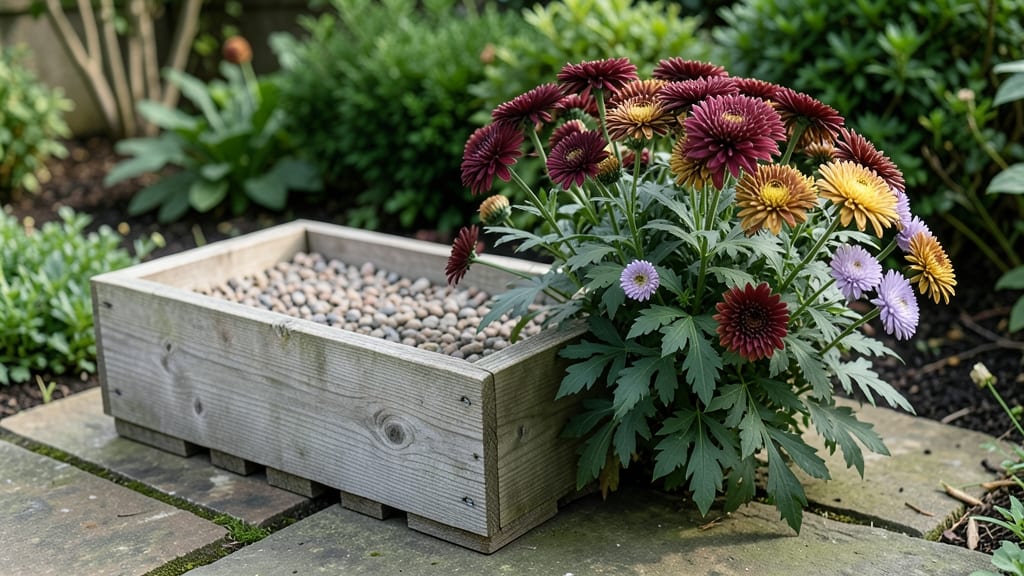
Nothing transforms an urban stoop or balcony like mums spilling over flower boxes—those jewel-toned blooms turning heads from September through frost. 🌸 I learned the hard way that cramming too many plants creates a traffic jam, but the right spacing and variety turns a simple box into a season-long spectacle.
The key? Mixing heights, textures, and bloom times so you're never left with bare stems.
Start with 3-5 mums per box (depending on width) and pair them with trailing plants like sweet potato vine or dusty miller for that "wow" factor. My favorite combo?
Deep burgundy mums with chartreuse foliage—it pops against brick walls. For small spaces, opt for window boxes (12-18 inches wide) where mums can spill dramatically without overwhelming the view.
You'll get four months of color if you choose late-blooming varieties and deadhead regularly. The scent? Subtle but sweet—like autumn wrapped in petals. Plus, mums thrive in containers, so you avoid the weeding and soil-borne diseases that plague in-ground plantings. Even my black thumb keeps these alive through light frosts.
Works for patios, fire escapes, or even hanging baskets—just swap the box for a sturdy container. The secret to year-round interest? Add evergreen foliage like heuchera or winter pansies underneath. Now go make your neighbors green with envy.
📚 In This Guide
- What you need
- Instructions
- Tips and common mistakes
- Wrapping up and next steps
What you need
- ● Flower box: 1-2 wooden, plastic, or metal boxes (12–18" wide, 6–8" deep, 10–12" tall). Ensure they have drainage holes!
- ● Chrysanthemum (mum) plants: 3–5 per box (choose spiller, thriller, and filler varieties for height variation). Opt for hardy types like 'Dynasity' or 'Bonanza'.
- ● Potting soil: 1 bag (1–2 cubic feet) of high-quality, well-draining potting mix (avoid garden soil—it compacts!).
- ● Slow-release fertilizer: 1 packet (10–12 oz) of balanced 10-10-10 or rose & flower-specific granules.
- ● Mulch: 1 bag of pine bark fines or cocoa hulls (to retain moisture and suppress weeds).
- ● Garden trowel: 1 (for planting and soil adjustments).
- ● Pruning shears: 1 (to trim leggy stems or dead foliage).
- ● Measuring tape: 1 (to space plants evenly).
- ● Watering can: 1 (with a rose or fine-mist nozzle for gentle watering).
- ● Gloves: 1 pair (to protect hands from soil and thorns).
- ● Decorative liner: Felt or landscape fabric (to prevent soil from leaking through gaps).
- ● Hanging baskets or stakes: For trailing varieties like 'Mum Goldfinger'.
- ● Liquid fertilizer: 1 bottle (for mid-season feeding—mix 1 tbsp per gallon of water).
- ● Peat moss or perlite: 1 small bag (to improve drainage if your soil is heavy).
- ● Solar-powered lights: To highlight your boxes after dark!
How to create stunning mums in flower boxes
Here’s the foolproof method I’ve used for years to keep chrysanthemums thriving all season long.
🪴 Step 1: Choose the Right Flower Box and Drainage
Start with a wooden or plastic flower box at least 10 inches deep—shallow boxes dry out too fast and stunt mum growth. I always drill at least 4 drainage holes in the bottom to prevent waterlogging, which causes root rot. If your box lacks holes, place it on caulked bricks or a saucer to elevate it slightly.
For 4 flower boxes, use 1 cubic foot of lightweight potting mix (never garden soil—it compacts and suffocates roots). Mix in ½ cup slow-release fertilizer to give mums a nutrient boost right from planting. The right soil holds moisture without staying soggy, and that’s key for these thirsty blooms.
🌱 Step 2: Plant Mums at the Correct Spacing and Depth
Dig holes 3 times wider than the root ball—this encourages roots to spread outward instead of circling. Space 4-6 mums per 12-inch-wide box, placing them 8-12 inches apart in a staggered pattern. Crowding leads to weak stems and fewer blooms, so don’t skimp on space.
Set each mum so the top of the root ball sits just below the box’s rim. Press soil gently around the roots to eliminate air pockets, then water deeply until moisture runs out the drainage holes. You’ll know it’s right when the soil surface looks damp but not glistening.
☀️ Step 3: Position for Maximum Sun and Airflow
Mums need full sun (6+ hours daily) for the boldest blooms, but they’ll tolerate morning sun with afternoon shade in hot climates. Place boxes on a south- or west-facing wall or balcony railing. Without enough light, stems stretch and flowers fade fast.
Space boxes 6 inches apart to improve airflow—this prevents fungal diseases like powdery mildew, which thrives in damp, crowded conditions. If your space is tight, prop them on small risers to boost circulation at the base.
💧 Step 4: Water and Feed for Continuous Blooms
Check soil moisture daily in hot weather—mums wilt fast when thirsty. Water deeply in the morning until 1 inch of soil feels moist (stick your finger in to test). Avoid overhead watering, which splashes dirt onto leaves and invites disease. A soaker hose or drip irrigation keeps roots happy without waste.
Feed every 2-3 weeks with ½ cup liquid bloom booster (diluted to half-strength). I switch to low-nitrogen fertilizer once buds form to encourage flowers over foliage. Yellowing leaves? You’re overdoing it—cut back to once a month.
✂️ Step 5: Prune and Deadhead for Long-Lasting Color
Pinch back new growth by ⅓ when plants are 6 inches tall to encourage bushier, sturdier stems. This step is non-negotiable—skipping it leads to leggy, floppy mums that flop over by midseason. Use clean pruners and snip just above a leaf node to avoid leaving stubs.
Deadhead spent blooms weekly by cutting stems back to the nearest set of leaves. This redirects energy to fresh flowers instead of seed production. In late summer, give mums a light trim to remove any woody or damaged stems—it’s their last chance to perk up before cooler weather.
Tips & tricks for perfect mums in flower boxes
Here’s what I’ve learned after years of keeping mums vibrant in containers—these small tweaks make all the difference between good and spectacular displays.
Soil Mix Matters: While the instructions call for 1 cubic foot of lightweight potting mix, I always add ¼ cup perlite or pumice to that mix for each box. This improves drainage without drying out roots—a critical balance for mums that hate soggy feet. The perlite also keeps soil aerated, which prevents that dreaded compacted soil that suffocates roots. Think of it as giving your mums lungs to breathe properly.
Sunlight Strategy: In Step 3, when positioning your boxes, I recommend placing them on a south-facing wall or balcony—this gives mums the full 6+ hours of sunlight they crave. But here’s the secret: if your space only gets afternoon sun, rotate the boxes every 2-3 days so all sides get equal light exposure. Uneven sunlight causes lopsided growth and fewer blooms on one side.
Watering Wisdom: The instructions mention watering deeply until 1 inch of soil feels moist, but I’ve found a better test: stick your finger 2 inches deep—that’s where the roots actually drink. Water until moisture reaches that depth, not just the surface. Early morning is best, but if you miss that window, water in the late afternoon to prevent evening moisture that invites fungal issues.
Fertilizer Timing: When buds first appear, switch from the ½ cup liquid bloom booster to a low-phosphorus fertilizer—this prevents leafy growth at the expense of flowers. I like to use a 5-10-5 ratio (nitrogen-phosphorus-potassium) to keep the focus on blooms. And here’s a pro move: mix a teaspoon of Epsom salt—with each feeding to boost magnesium, which keeps those vibrant colors popping.
Pro Tips for Mums In Flower Boxes
- Here’s what I’ve learned after years of keeping mums vibrant in containers—these small tweaks make all the difference between good and spectacular displays.
- Soil Mix Matters: While the instructions call for 1 cubic foot of lightweight potting mix, I always add ¼ cup perlite or pumice to that mix for each box.
- Sunlight Strategy: In Step 3, when positioning your boxes, I recommend placing them on a south-facing wall or balcony—this gives mums the full 6+ hours of sunlight they crave.
Frequently asked questions
Got questions about creating stunning mum displays in flower boxes? You’re not alone! Here are some of the most common queries—and their easy answers—to help you grow a showstopping seasonal show.
What’s the best time of year to plant mums in flower boxes?
For hardy mums, plant in early spring (March–April) or late summer (August–September) for fall blooms. Tender mums (like garden mum varieties) thrive when planted in late spring (May–June) after the last frost. Avoid planting too early—they may rot in cold soil!
How often should I water mums in flower boxes?
Water deeply 2–3 times per week (more in extreme heat). Flower boxes dry out faster than ground soil, so check moisture daily—stick your finger in the soil. Morning watering is ideal to prevent fungal issues. Pro tip: Use a tray underneath to catch runoff and reuse water!
Can I mix mums with other plants in a flower box?
Pair mums with trailing plants (like sweet potato vine ) or low-growing companions (e.g., ajuga or heuchera ). Avoid overcrowding—mums need airflow. Height tip: Place taller plants (like ornamental grasses) behind mums and shorter fillers in front for a layered look.
Why aren’t my mums blooming in the flower box?
Common culprits: too much shade (mums need 6+ hours of sun), over-fertilizing with nitrogen (use a balanced 10-10-10 formula instead), or stress from transplant shock . Deadhead spent blooms and prune leggy stems to encourage new flowers!
What can I do with mums after they’ve finished blooming?
Don’t toss them! Hardy mums can stay in the box for winter interest (add mulch ). Tender mums can be cut back and replanted next spring. Or, dig and divide clumps in spring to propagate new plants. Bonus: Dry the blooms for autumn decor!
Wrapping up and next steps
Transforming your space with mums in flower boxes is a simple yet impactful way to add vibrant color and seasonal charm to any outdoor area.
Whether you’re a gardening novice or a seasoned pro, these hardy blooms bring effortless beauty with minimal upkeep—perfect for creating a cheerful, low-maintenance display that lasts well into autumn. 🌼
Ready to bring your vision to life? Start by gathering your supplies, then dive into planting with confidence. Your next step? Snap a photo of your finished flower boxes and share the joy—because gardening is always more fun when you’re inspired by others! 📸✨