
Flowers
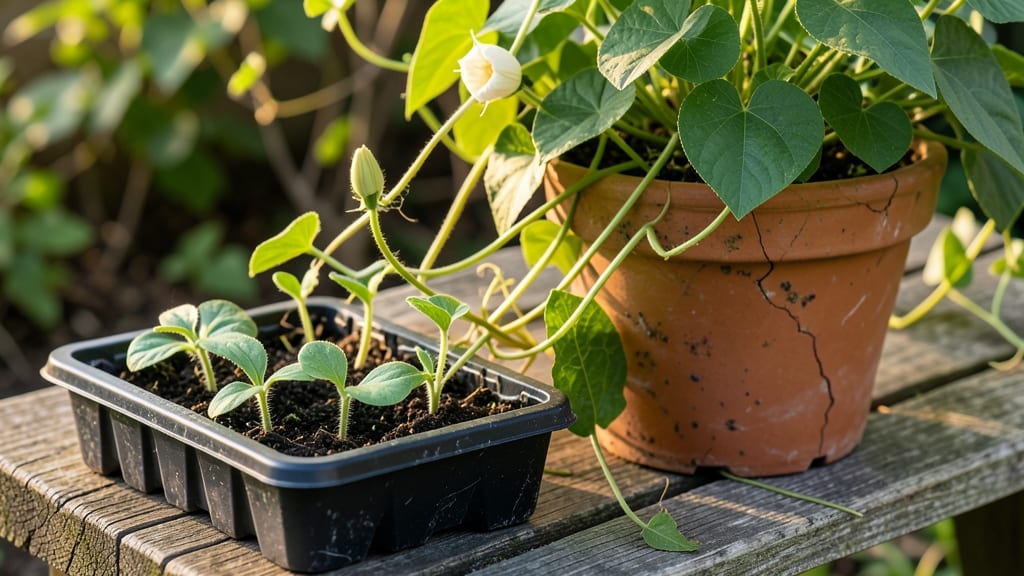
Moonflower seedlings unfurl those dreamy, moonlit blooms by trusting their frost-hardy nature—but only if you start them right. 🌱 I’ve watched these delicate vines transform from tiny seeds into night-blooming giants, and the secret lies in giving them the perfect head start indoors before they face the elements.
The trick isn’t complicated: moist, well-draining soil, a warm spot near a sunny window, and patience as those first leaves unfurl. Moonflowers need 6-8 weeks of indoor nurturing before they’re ready to climb, so start them early.
Too much water drowns them; too little stunts their growth. Balance is everything.
By the time you transplant them outdoors, you’ll have strong, vine-ready seedlings with the resilience to handle light frosts. Those signature white, moon-shaped blooms will reward you all summer long—just give them a sturdy trellis to climb and watch them thrive where other flowers falter.
Even in cooler climates, moonflowers bounce back from early frosts, making them a foolproof choice for gardeners who want drama without fuss. Let’s get those seeds sprouting—your garden’s nighttime show is about to begin.
📚 In This Guide
- What you need
- Instructions
- Tips and common mistakes
- Wrapping up and next steps
What you need
- ● Moon flower seeds: High-quality, organic seeds (10–20 seeds, depending on desired quantity). Look for Ipomoea alba or "white morning glory" varieties.
- ● Seed-starting trays or small pots: 2–4 inch pots or biodegradable seedling cells (1 tray or 10–15 pots). Ensure they have drainage holes!
- ● Seed-starting mix: Lightweight, well-draining potting soil (1–2 bags, depending on tray size). Avoid garden soil—it’s too dense!
- ○ Grow lights or sunny windowsill: A full-spectrum LED grow light (optional but ideal) or a south-facing window with 6+ hours of sunlight daily.
- ● Misting bottle or spray nozzle: For gentle watering without disturbing seedlings.
- ● Plastic wrap or humidity dome: To retain moisture while seeds germinate (a clear plastic bag or store-bought dome works).
- ○ Fertilizer (optional but helpful): A balanced, water-soluble fertilizer (5-10-5 or 10-10-10 ratio) for young seedlings.
- ● Trowel or small shovel: For transplanting seedlings later.
- ● Labels and markers: To track seed varieties and planting dates.
- ○ Heat mat (optional): Speeds up germination (70–75°F is ideal).
- ● Frost cloth or row covers: For protecting seedlings if late frosts are expected in your zone.
- ● Compost or worm castings: Boosts soil fertility for transplanting.
Step-by-Step instructions for growing moon flower seedlings
Here's my foolproof method for nurturing moon flower seedlings into resilient, frost-tolerant plants.
🌱 Step 1: Start Seeds Indoors at the Right Time
Moon flower seeds thrive when sown 6-8 weeks before your last frost date. I like to plant mine in early spring—around March in most climates—so they're ready for transplanting once soil temperatures warm to at least 60°F. Use biodegradable seedling pots filled with a sterile seed-starting mix (never garden soil, which can harbor diseases).
Sow 2-3 seeds per pot at a depth of ¼ inch, gently pressing them into the soil. Cover lightly with a fine layer of mix—just enough to shield them from light but not bury them too deeply. Place the pots in a warm location (around 70-75°F) to encourage germination. A seedling heat mat speeds this process up significantly.
Keep the soil consistently moist but never soggy. I use a spray bottle to mist the surface daily until germination occurs, usually within 7-14 days. Overwatering here is the biggest mistake—it leads to damping-off, where seedlings rot at the base. If condensation forms on the soil surface, let it dry out slightly before misting again.
☀️ Step 2: Provide Optimal Light and Airflow
Once seedlings emerge, move them to a bright, indirect light source immediately. Moon flowers need 12-14 hours of light daily to prevent leggy growth. I use a grow light positioned 2-3 inches above the seedlings and set it on a timer. If using natural light, place them near a south-facing window but avoid direct midday sun, which can scorch tender leaves.
Leggy seedlings—those with thin, stretched stems and widely spaced leaves—tell you the light isn’t strong enough. If this happens, lower the grow light closer or move the seedlings to a sunnier spot. Strong seedlings have compact growth, deep green leaves, and sturdy stems. Rotate the pots a quarter turn daily so they grow evenly toward the light source.
After the first true leaves appear (not the initial cotyledons), introduce gentle airflow by placing a small fan on low setting nearby. This hardens off the seedlings and prevents powdery mildew, a common issue with moon flowers. Aim for light breezes—just enough to rustle the leaves slightly. Avoid strong drafts, which can stress young plants.
🪴 Step 3: Harden Off and Transplant Outdoors
About 2 weeks before your last frost date, begin the hardening-off process. Start by placing the seedlings outside in a sheltered, shaded spot for 1-2 hours the first day. Gradually increase their outdoor time by 1 hour daily, moving them to slightly sunnier locations each time. By day 10, they should tolerate a full day outside without wilting.
Moon flowers are frost-hardy, but young seedlings can still suffer damage if transplanted too early. Wait until nighttime temperatures consistently stay above 40°F before moving them to the garden. Choose a sunny spot with well-draining soil—moon flowers hate soggy roots. Dig holes twice as wide as the pots and just as deep to encourage root spread.
Gently remove the seedlings from their pots, keeping the root ball intact. Place them in the holes and backfill with soil, pressing lightly around the base. Water deeply to settle the soil and remove the pots. Space seedlings 18-24 inches apart to give them room to grow. Mulch around the base with 2-3 inches of organic mulch to retain moisture and regulate soil temperature.
🌿 Step 4: Maintain Through the Growing Season
Moon flowers are low-maintenance once established, but they thrive with regular watering. Water deeply 1-2 times per week, aiming for 1 inch of water per week. Let the top 2 inches of soil dry out between waterings to prevent root rot. I water in the early morning to reduce evaporation and fungal risks.
Fertilize lightly once a month with a balanced, water-soluble fertilizer (10-10-10) during the growing season. Too much fertilizer leads to lush foliage but fewer blooms. I skip fertilizer in the fall to encourage stronger root development before winter. Deadhead spent blooms by pinching off the faded flowers with your fingers or clean pruners. This redirects energy to new growth and prolongs the blooming season.
Moon flowers are perennial in USDA zones 4-9, meaning they’ll return year after year with proper care. In colder zones, mulch heavily around the base in late fall to protect the roots. In zones 10 and above, they may grow as annuals but still benefit from winter mulch. Prune back dead or damaged foliage in early spring to encourage fresh growth.
Tips & tricks for perfect moon flower seedlings
Common pitfalls—and how to sidestep every one. Moon flowers are forgiving once established, but the early stages demand precision. Here's how to give your seedlings the best possible start.
Germination Conditions: The 70-75°F warmth specified in Step 1 is non-negotiable for reliable germination. I've tried using my oven with the light on (set to "warm") as a makeshift heat source—it works surprisingly well for maintaining consistent temperatures without electricity. Just monitor closely to avoid overheating. The ¼-inch depth is crucial too; planting too deeply can prevent seedlings from breaking through the soil surface.
Light Management: Those 12-14 hours of light daily in Step 2 are essential for preventing leggy growth. If your seedlings start stretching toward the light (a sign of insufficient light), don't just move them closer—they need stronger light, not just more time under weaker light. I've found that supplementing with a full-spectrum LED grow light positioned 2-3 inches above the seedlings eliminates this issue completely. Rotate your pots daily as mentioned, but also consider using a self-rotating seedling tray if you have multiple pots.
Hardening-Off Strategy: The gradual 1-hour daily increases in exposure time during hardening-off (Step 3) are key to preventing transplant shock. I've learned the hard way that skipping days or increasing exposure too quickly leads to wilting and stress. For extra protection, I place a shade cloth over the seedlings during their first few outdoor sessions—it mimics natural shade while still allowing them to acclimate. Also, avoid hardening off on windy days; even gentle breezes can stress tender seedlings.
Transplanting Technique: When transplanting, the twice-as-wide holes in Step 3 encourage root spread, but don't overlook the importance of loosening the root ball before planting. Gently teasing the roots apart helps them establish more quickly. I also recommend adding a handful of compost to each planting hole—this gives the seedlings a nutrient boost without overwhelming them. After transplanting, water deeply but avoid creating puddles around the base, which can lead to root rot.
Pro Tips for Moon Flower Seedlings
- Common pitfalls—and how to sidestep every one.
- Germination Conditions: The 70-75°F warmth specified in Step 1 is non-negotiable for reliable germination.
- Light Management: Those 12-14 hours of light daily in Step 2 are essential for preventing leggy growth.
Frequently asked questions
Got questions about growing moon flower seedlings? You’re not alone! Here are some of the most common concerns—and their answers—to help you nurture healthy, thriving plants from the start.
How long does it take for moon flower seedlings to sprout?
Moon flower (Ipomoea alba) seeds typically sprout in 7–21 days after planting, depending on soil warmth and moisture. Keep the soil consistently damp (not soggy) and maintain a temperature of 70–75°F (21–24°C) for faster germination. Patience is key—some seeds may take longer, especially in cooler conditions.
Are moon flower seedlings frost-sensitive? Can I plant them early?
While mature moon flowers are frost-hardy (surviving light frosts once established), seedlings are delicate and should not be exposed to frost. Wait until after the last frost date in your area (usually late spring) and harden off seedlings gradually for 1–2 weeks before transplanting outdoors. A frost cloth can offer extra protection if early planting is unavoidable.
What’s the best way to transplant moon flower seedlings without shocking them?
Transplant seedlings on a cloudy day or late afternoon to reduce stress. Gently loosen roots, dig a hole twice as wide as the root ball, and water deeply before and after planting. Space seedlings 12–18 inches apart for vining varieties or 6–12 inches for bush types. Mulch around the base to retain moisture and protect tender roots.
Why are my moon flower seedlings wilting or turning yellow?
Wilting or yellowing often signals overwatering, underwatering, or pests. Check soil moisture—it should feel like a damp sponge. Yellow leaves may also indicate nutrient deficiency (add a balanced fertilizer) or fungal issues (like damping-off). Inspect undersides of leaves for aphids or spider mites and treat with neem oil if needed. Ensure good airflow to prevent mold.
Can I grow moon flowers from cuttings instead of seedlings?
Yes! Moon flowers can be propagated from stem cuttings (4–6 inches long) in water or soil. Dip the cut end in rooting hormone, place in moist potting mix, and cover with a plastic bag to retain humidity. Keep in bright, indirect light until roots form (3–6 weeks). This method is great for preserving rare varieties or extending the growing season.
What’s a good alternative if moon flower seedlings fail to thrive?
If your seedlings struggle, try these low-maintenance alternatives with similar night-blooming charm:
- Evening Primrose (Oenothera spp.) – Drought-tolerant and frost-resistant.
- Four O’Clock (Mirabilis jalapa) – Thrives in heat and blooms reliably.
- Nicotiana (Nicotiana sylvestris) – Fragrant and beginner-friendly.
Wrapping up and next steps
Growing moon flower seedlings is a rewarding journey that brings ethereal beauty to your garden—even in cooler climates! With the right soil, patience, and a little frost-proofing know-how, you’ll soon be enjoying those dreamy, night-blooming whites. 🌙✨
Now that you’re armed with tips and answers, take the next step: grab those seeds, prep your containers, and let nature work its magic. Whether you’re a seasoned gardener or a curious beginner, your moonlit blooms are just a few weeks (and a little water) away!