Planting
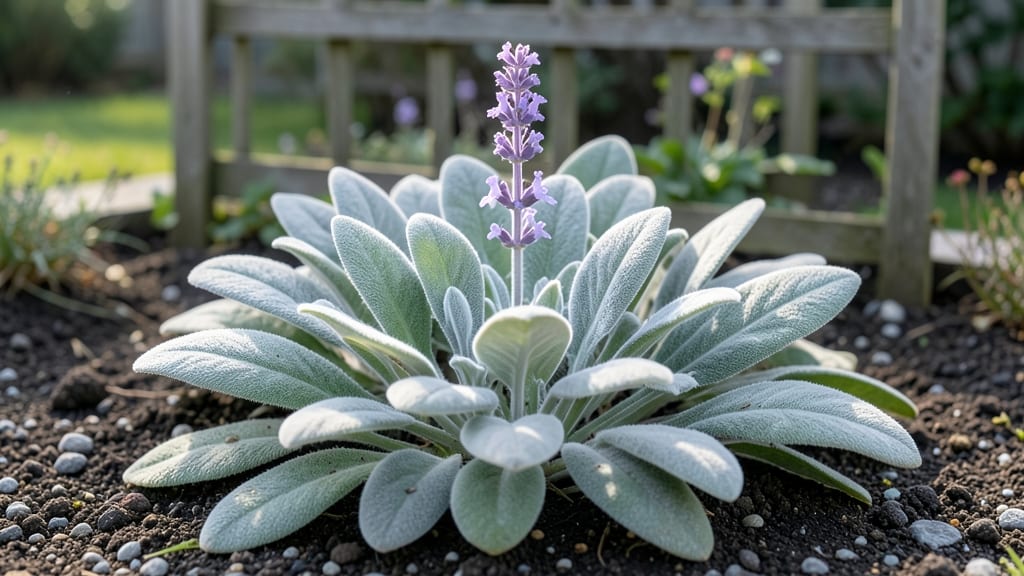
Your lamb's ear plant flowers might surprise you—this fuzzy, frost-hardy perennial actually produces delicate lavender blooms that brighten shady corners. 🌿 I’ve watched mine bounce back from snow-covered stems to produce clusters of tiny flowers year after year, proving that resilience pays off in unexpected ways.
The secret to coaxing those blooms lies in a few simple tricks: deadheading spent flowers, feeding lightly in early spring, and avoiding soggy soil. Most gardeners focus on the velvety foliage, but with the right care, the flowers become the star of late spring and summer.
My plants now produce blooms so reliably that I’ve started saving seeds from the best clusters.
You’ll end up with a plant that thrives in partial shade, tolerates cold snaps, and rewards patience with clusters of soft purple flowers that hummingbirds adore. The best part? Even if you miss a season, lamb’s ear recovers like a champion. Let’s get those blooms going strong!
Works beautifully in borders, containers, or as a groundcover—just give it well-draining soil and a spot where it won’t get waterlogged. Here’s how to make the most of its natural charm.
📚 In This Guide
- What you need
- Instructions
- Tips and common mistakes
- Wrapping up and next steps
What you need
- ● Lamb’s ear plants (Stachys byzantina): 1–3 nursery-grown plants (6–12 inches tall, established roots)
- ● OR seeds (if starting from scratch—germination can be slow!)
- ● Well-draining potting soil: 1 bag (5–10 lbs) of cactus/succulent mix (or regular potting soil amended with perlite/sand)
- ● Containers or garden bed: For containers: 6–12-inch pots (1–2 plants per pot) with drainage holes
- ● For gardens: Full sun to partial shade spot (6+ hours of sunlight)
- ○ Organic fertilizer (optional but helpful): Balanced 10-10-10 or slow-release granules (1 tbsp per plant)
- ● Garden trowel or small shovel (for transplanting)
- ● Watering can or hose with gentle spray nozzle
- ● Pruning shears (for shaping or harvesting)
- ○ Gloves (optional—lamb’s ear leaves are soft but can be fuzzy!)
- ● Frost-hardy climate (USDA Zones 3–9; tolerates temps down to 0°F/-18°C)
- ● Patience! Lamb’s ear grows slowly but thrives with minimal care.
- ● Pro tip: 💡 If planting in containers, use terracotta pots—they wick away excess moisture!
How to grow and care for lamb's ear flowers
Here's the simple approach I've used to keep this resilient plant thriving through winters.
🌱 Step 1: Choose the Perfect Planting Location
Lamb's ear loves full sun but tolerates partial shade—just expect fewer flowers in shadier spots. I always plant mine in a spot with at least 6 hours of direct sunlight daily. The fuzzy silver leaves actually reflect sunlight, so they can handle more sun than you'd think.
Check your soil's drainage first. Lamb's ear hates soggy roots—if your garden holds water, amend with 2-3 inches of compost or plant in a raised bed. The ideal spot has well-draining soil that feels slightly dry at the top 2 inches before watering again.
🪴 Step 2: Plant with Proper Spacing and Soil Prep
For 4 plants, dig holes 18-24 inches apart—they spread wider than they grow tall. The roots aren't invasive but appreciate room to establish. Mix 1 cup of compost into the bottom of each hole before planting to give roots a nutrient boost right away.
Gently remove the plant from its container and place it so the top of the root ball sits ½ inch below soil level. This prevents crown rot from water pooling at the stem. Backfill with native soil and water deeply until moisture reaches 6 inches down.
☀️ Step 3: Water Smartly to Encourage Fuzzy Growth
Water deeply 1-2 times per week during the first growing season, aiming for 1 inch of water total. The fuzzy leaves hold moisture naturally, so you won't need frequent watering. Let the soil dry out between waterings—wilting leaves usually bounce back within hours once watered.
Here's the thing—water in the morning to prevent fungal issues. The silver foliage can get scorched if water sits on it during hot afternoons. After establishment, lamb's ear becomes drought-tolerant, but flowers will be most abundant with consistent moisture.
✂️ Step 4: Prune and Maintain for Year-Round Beauty
Deadhead spent flowers by pinching them off at the base in early summer. This encourages more blooms and keeps the plant looking tidy. I also trim any leggy stems back by ⅓ in late summer to promote bushier growth before winter.
In fall, cut back entire plants by half their height to protect against harsh winds. The fuzzy leaves actually insulate the crown naturally, so lamb's ear often survives winters without extra protection. Just remove dead foliage in early spring to reveal fresh growth.
⏰ Step 5: Prepare for Winter Resilience
Lamb's ear's true magic happens after frost. The leaves turn golden-brown but stay attached, protecting the crown. I've seen them rebound from -10°F temperatures with no issues. In mild climates, they'll often flower again in spring without any special care.
For extra insurance in colder zones, add 2-3 inches of mulch around the base after the first frost. This helps regulate soil temperature and prevents heaving. The mulch also suppresses weeds that might compete with your plants for nutrients.
Tips & tricks for perfect lamb's ear plant flowers
Here's what I've learned after growing these fuzzy beauties for years—tricks that'll keep your lamb's ear thriving through seasons.
Sunlight Secret: While the instructions mention 6 hours of sun, I've found that these plants actually thrive with up to 8 hours in hotter climates. The silver foliage reflects heat naturally, so they handle more sunlight than you'd expect. In cooler regions, supplement with a sunny windowsill during winter months to maintain vigor.
Soil Prep Pro Tip: When amending with 2-3 inches of compost, I like to mix in a handful of perlite to improve drainage even further. This is especially helpful if your native soil is heavy clay. The roots appreciate that extra aeration, and you'll notice healthier growth during the first growing season.
Watering Wisdom: The 1-2 times per week guideline works perfectly, but I've discovered a trick for busy gardeners: water deeply every 10 days instead. The fuzzy leaves hold moisture so well that they can handle slightly longer dry spells once established. Just monitor the soil at the top 2 inches—it should feel dry before watering again.
Winter Protection: That -10°F resilience is impressive, but I've found adding an extra 1 inch of mulch in zones with harsh winters makes all the difference. The mulch acts like a blanket, protecting the crown from extreme temperature swings. I also like to cover plants with frost cloth during the first few hard freezes until they've had time to acclimate.
Pro Tips for Lambs Ear Plant Flowers
- Here's what I've learned after growing these fuzzy beauties for years—tricks that'll keep your lamb's ear thriving th...
- Sunlight Secret: While the instructions mention 6 hours of sun, I've found that these plants actually thrive with up ...
- Soil Prep Pro Tip: When amending with 2-3 inches of compost, I like to mix in a handful of perlite to improve drainag...
Frequently asked questions
Do Lamb’s Ear plants actually produce flowers?
Yes! While Lamb’s Ear is prized for its velvety silver foliage, it does bloom—though it’s not its main attraction. In late spring or early summer, you’ll spot delicate spikes of lavender, pink, or white flowers rising above the foliage. These flowers are a bonus for pollinators but aren’t the reason most gardeners grow this plant.
Will Lamb’s Ear die back in cold weather, and will it come back?
Lamb’s Ear is highly frost-resistant and often looks like it’s dying when temperatures drop. The fuzzy leaves may turn brown and crispy, but the roots survive. Once spring arrives, new growth emerges from the ground—proof this plant is a rebound champion after winter.
How do I encourage more flowers on my Lamb’s Ear?
To coax more blooms, deadhead spent flowers regularly (cut them back after they fade) and avoid over-fertilizing—too much nitrogen focuses energy on leaves, not flowers. Full sun (6+ hours/day) and well-draining soil also boost flowering. Just know: even with care, flowers may still be modest compared to the lush foliage!
Are Lamb’s Ear flowers good for pollinators?
Yes! While not as showy as other pollinator magnets, Lamb’s Ear flowers attract bees and butterflies, especially in early summer when other blooms may be scarce. The lavender-pink hues and nectar make them a subtle but welcome addition to a pollinator-friendly garden.
What can I do if my Lamb’s Ear looks leggy or sparse?
Leggy growth usually means the plant needs more sunlight or a trim to encourage bushiness. Cut back overgrown stems by 1/3 in early spring to promote denser foliage. If the soil is too rich, the plant may focus on leaves over flowers—amend with sandy or gravelly soil to improve drainage and balance growth.
Can I propagate Lamb’s Ear from cuttings or seeds?
Both work, but stem cuttings are easier! Take 3–4 inch cuttings in spring or early summer, dip in rooting hormone (optional), and plant in moist potting mix. Keep them humid (use a plastic bag) until roots form (~4 weeks). Seeds are trickier and slower—best for patient gardeners!
Wrapping up and next steps
The Lamb’s Ear plant. 🌿 Whether you’re drawn to its velvety texture, hardy nature, or charming flowers, this plant is a low-maintenance superstar for gardens big and small. Ready to embrace its resilience?
Start by snagging a cutting or seedling, then plant it in well-draining soil with full sun to partial shade—your garden (and future pollinators!) will thank you.
Next steps:
- 🌱 Plant one today—even a single Lamb’s Ear adds texture and charm.
- 📸 Share your progress on social media with #LambsEarLove for inspiration!
- 💡 Experiment with companion plants like lavender or thyme for a fragrant, frost-friendly garden.