
Propagation
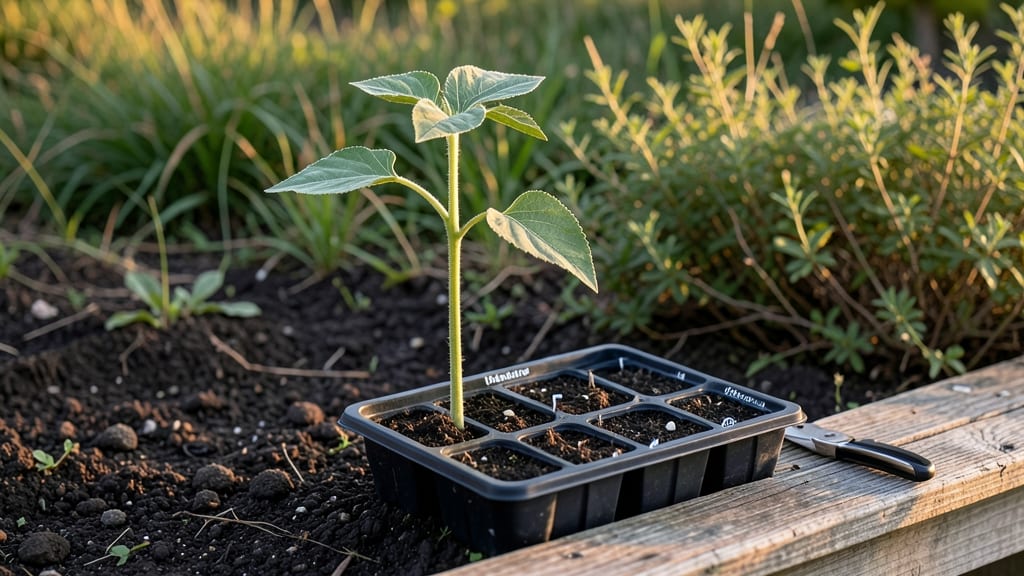
Starting sunflower seeds indoors in early spring gives you a head start on towering, cheerful stems that reach for the sky. 🌻 I’ve learned the hard way that rushing the process leads to weak seedlings, so timing and soil prep are everything—especially for varieties that grow 10 feet tall.
The secret isn’t in fancy equipment but in matching their needs: warm soil, consistent moisture, and plenty of light from day one.
You’ll need just a few supplies: seed-starting mix, small pots or a seed tray, sunflower seeds (plant them 1 inch deep), and a sunny spot or grow light. Most sunflowers germinate within 7–14 days, but patience is key—don’t overwater or they’ll rot before sprouting.
Once they’ve got their first true leaves, they’ll grow fast, so keep them in bright light to avoid leggy, stretchy stems.
By transplanting outdoors after the last frost (or keeping them in pots for patio displays), you’ll watch those seedlings shoot up with bold, velvety leaves and sturdy stems. Sunflowers are surprisingly forgiving—even if you miss a watering day, they’ll bounce back.
The real magic happens when those first buds appear, turning your garden into a golden canopy by midsummer.
Works for both tall varieties and dwarf types, whether you’re growing in containers or directly in the ground. Here’s how to turn those tiny seeds into sun-soaked giants—without the guesswork.
📚 In This Guide
- What you need
- Instructions
- Tips and common mistakes
- Wrapping up and next steps
What you need
- ● Sunflower seeds: Choose heirloom or hybrid varieties (e.g., 'Mammoth' or 'Sunspot'). Buy 10–20 seeds for a small indoor experiment or 50+ seeds for outdoor planting.
- ● Containers: For indoor sprouting: A shallow tray (10" x 20") with drainage holes or a seed-starting kit.
- ● For outdoor planting: A well-draining pot (5" diameter) or a garden bed with loose, fertile soil.
- ● Growing medium: For sprouting: A damp paper towel or a 1-inch layer of vermiculite or coconut coir.
- ● For transplanting: Seed-starting mix or a 50/50 blend of potting soil and perlite.
- ● Water: Room-temperature, filtered water (avoid tap water with chlorine).
- ● Light source: For indoor sprouting: A sunny windowsill (south-facing) or a grow light (12–16 hours/day).
- ● For outdoor planting: Full sun (6+ hours/day).
- ● Spray bottle: For gentle watering without disturbing seeds.
- ● Humidity dome: Keeps sprouts moist during germination.
- ● pH tester: Ensure soil pH is 6.0–7.5 (ideal for sunflowers).
- ● Fertilizer: A balanced 10-10-10 or organic compost tea (once seedlings have 2 true leaves).
- ● Plant labels: Mark varieties if testing multiple types.
Step-by-Step guide for growing sunflower seedlings indoors
Here's how I get sunflowers sprouting strong and ready for the garden—no fuss, just results.
🌱 Step 1: Choose the Right Containers and Soil
Fill 4-inch deep pots with a lightweight seed-starting mix—not garden soil, which can compact and suffocate tender roots. I like to press the mix down gently with my fingers until it's firm but still loose enough to let air reach the seeds. Sunflower roots need space to grow, so avoid tiny seedling trays.
Leave about ½ inch of space between the soil surface and the pot rim. This prevents overflow when you water and gives seedlings room to stretch upward without crowding. Tap the pot lightly on the table to settle the soil evenly—this removes air pockets that could delay germination.
🌱 Step 2: Plant Seeds at the Correct Depth
Drop 2-3 seeds per pot—sunflowers have thick taproots, so you'll need to thin later. Plant them 1 inch deep, which is roughly twice the diameter of a sunflower seed. Press them gently into the soil with your finger; don't bury them too deep or they'll struggle to reach the surface.
I like to label each pot with the variety and date right away. Sunflowers grow fast, and you'll forget which pot you planted first if you don't. Water the soil until it's evenly moist but not soggy—you want it damp enough to support germination but not waterlogged.
☀️ Step 3: Provide Warmth and Bright Light
Sunflower seeds germinate best at 70-75°F. Place the pots in a warm spot, like on top of your fridge or near a sunny window. A seedling heat mat can speed up germination if your home runs cooler. Keep the soil consistently moist—not dripping wet—until you see sprouts in 7-14 days.
Once the first true leaves appear (not the initial seed leaves), move the seedlings to a south-facing window or under a grow light. Sunflowers need 6+ hours of direct light daily to stay strong. If they stretch toward the light with long, thin stems, they're not getting enough—adjust the light source or rotate the pots daily.
🌿 Step 4: Thin and Strengthen Seedlings
When seedlings reach 2 inches tall, thin to the strongest one per pot. Gently snip the weaker stems at the base with clean scissors—don't pull them, or you'll disturb the roots of the remaining plant. This might sound harsh, but crowded sunflowers fight for nutrients and grow weak.
After thinning, give the soil a light watering to help the remaining seedling recover. Watch for deep green leaves and a thick stem—these are signs of a healthy plant. If leaves yellow or wilt, you're overwatering; let the top inch of soil dry out between waterings.
🪴 Step 5: Harden Off Before Transplanting
Two weeks before your last frost date, start hardening off the seedlings. Place them outside in a sheltered spot for 1-2 hours the first day, gradually increasing time over 7-10 days. Sunflowers are tough, but sudden exposure to wind or full sun can shock them—start slow.
By the time you transplant, the seedlings should handle a full day outdoors without wilting. Choose a cloudy day to move them to the garden, and water deeply at the base. Plant them 12-18 inches apart in well-draining soil—sunflowers hate soggy feet.
Tips & tricks for perfect sunflower seedling growth
These simple tricks will help you avoid common pitfalls and grow sunflowers that reach their full potential.
Soil Preparation Secret: After filling your 4-inch pots with seed-starting mix, give the soil a gentle squeeze—it should hold its shape but still crumble easily when pressed. This texture ensures proper aeration for those delicate sunflower roots. I also like to sprinkle a thin layer of perlite on top before planting; it helps prevent mold while keeping moisture levels just right.
Planting Depth Matters: That 1-inch planting depth in Step 2 is crucial—it's about the thickness of two stacked quarters. Planting too deep forces seedlings to push through more soil, which can weaken their stems. If you accidentally bury them deeper, don't worry: just plant the next seeds at the correct depth and thin later.
Lighting Strategy: For the 6+ hours of daily light in Step 3, I recommend positioning your seedlings within 6 inches of a south-facing window. If using grow lights, keep them 2-3 inches above the seedlings and adjust height as they grow. Rotate pots daily to prevent leaning—this ensures even growth and prevents those leggy stems that signal light deprivation.
Harden Off Gradually: When increasing outdoor time from 1-2 hours to full sun exposure, I add about 30 minutes each day. Watch the seedlings closely: if leaves start curling or wilting, they're getting too much sun too soon. Morning sun is gentler than afternoon heat, so I prefer starting with morning sessions and gradually adding afternoon exposure.
Pro Tips for Start Sunflower Seeds
- These simple tricks will help you avoid common pitfalls and grow sunflowers that reach their full potential.
- Soil Preparation Secret: After filling your 4-inch pots with seed-starting mix, give the soil a gentle squeeze—it should hold its shape but still crumble easily when pressed.
- Planting Depth Matters: That 1-inch planting depth in Step 2 is crucial—it's about the thickness of two stacked quarters.
Frequently asked questions
Got questions about growing sunflower seeds? You’re not alone! Here are answers to the most common queries to help you sprout success like a pro.
How long does it take for sunflower seeds to sprout?
Sunflower seeds typically sprout within 7–14 days after planting, depending on temperature and moisture. Warm soil (70–80°F) speeds up germination. If you don’t see sprouts in 2 weeks, gently check soil moisture—dry conditions can delay growth. Patience pays off!
Can I plant sunflower seeds in cold weather?
Sunflower seeds need warm soil (at least 50°F) to germinate. Planting too early in cold weather can stunt growth or kill seedlings. Wait until the last frost has passed in your area. If you’re in doubt, use a seedling heat mat or start indoors 4–6 weeks before the last frost.
What if my sunflower seeds don’t sprout?
Try these fixes if seeds aren’t sprouting:
- Check viability: Soak seeds in water overnight—if they sink, they’re likely viable.
- Adjust moisture: Keep soil damp (not soggy) and cover with a plastic wrap temporarily.
- Test depth: Seeds should be planted 1 inch deep—too deep can hinder sprouting.
- Try fresh seeds: Older seeds (over 1 year) may have lower germination rates.
Can I grow sunflowers indoors?
Sunflowers thrive outdoors but can be grown indoors with plenty of sunlight (6+ hours daily) or a grow light. Use a large pot (at least 12 inches deep) and a dwarf variety like ‘Teddy Bear’ or ‘Moulin Rouge.’ Expect slower growth and smaller blooms compared to outdoor plants.
Are there sunflower varieties better for beginners?
Try these beginner-friendly varieties:
- ‘Autumn Beauty’ – Easy to grow, colorful petals.
- ‘Russian Giant’ – Fast-growing, great for tall gardens.
- ‘Moulin Rouge’ – Compact, perfect for containers.
- ‘Teddy Bear’ – Small, non-branching, and adorable!
Wrapping up and next steps
Starting sunflower seeds is a rewarding journey that connects you to nature while yielding bright, cheerful blooms or nutritious snacks!
With the right tools, patience, and care, you’ll watch tiny sprouts transform into towering beauties—whether for your garden or kitchen. Now’s your moment to shine: grab those seeds, follow the steps, and let your green thumb grow!
Next up: Once your sunflowers sprout, explore how to transplant them or harvest seeds for future planting—the adventure’s just beginning! 🌻✨