
Flowers
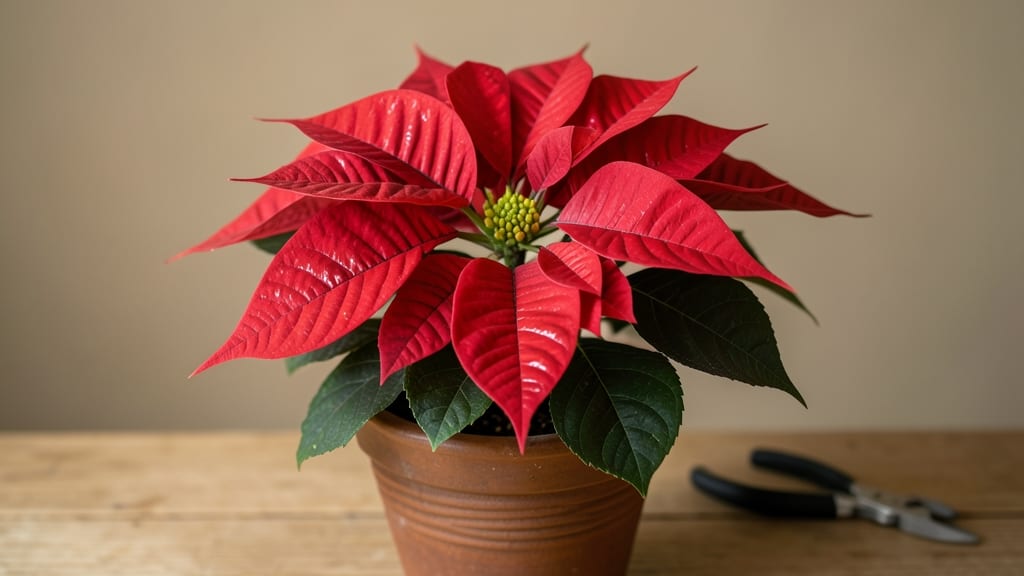
To make poinsettia flower reliably indoors, you need to trick it into thinking it’s winter—because that’s when these vibrant plants naturally bloom. 🌟 I learned the hard way that skipping the dark period means no red bracts, just lush green leaves.
The secret lies in light control, temperature consistency, and a little patience during the holiday season.
You’ll need a healthy poinsettia plant (or a cutting from a friend’s), well-draining potting mix, and a spot with bright, indirect light for most of the year.
The real magic happens in late fall when you mimic short winter days—think 12 hours of darkness followed by 12 hours of light for at least 6 weeks. Too much light at night, and those holiday colors stay hidden.
By December, your poinsettia will reward you with deep red, pink, or even white bracts that last for weeks. The key is keeping it happy year-round: water when the top inch of soil dries, fertilize lightly in spring/summer, and avoid drafts.
Even a slight temperature dip below 60°F can stress the plant and delay blooming.
Once the flowers fade, don’t toss it! Prune back, fertilize, and give it long summer days to recharge. Next year’s blooms will be even more spectacular—if you follow the light schedule. The hardest part? Waiting. But trust me, the payoff is worth it.
📚 In This Guide
- What you need
- Instructions
- Tips and common mistakes
- Wrapping up and next steps
What you need
- ● Poinsettia cuttings or seeds: 3–5 healthy cuttings (4–6 inches long) from a mature poinsettia plant (or 2–3 seeds if starting from scratch)
- ● Well-draining potting mix: 1–2 gallons of a blend designed for succulents or African violets (avoid heavy garden soil!)
- ● Small pots or containers: 4–6-inch diameter pots with drainage holes (terracotta or plastic works)
- ○ Rooting hormone (optional but helpful): A small tube or powder to encourage faster root growth
- ● Clear plastic bag or humidity dome: To create a mini greenhouse effect
- ● Watering can or spray bottle: For gentle hydration
- ● Pruning shears or sharp scissors: Sterilized to avoid disease
- ● Rubbing alcohol (70% or higher): For cleaning tools between cuts
- ● Bright, indirect light source: A south- or east-facing window (or a grow light for 12–14 hours/day)
- ○ Thermometer (optional): To monitor temperatures between 65–75°F (18–24°C)
- ● Patience! 🌱 Poinsettias thrive on consistency—blooms take 6–8 weeks with proper care.
- ● 💡 Skip the fertilizer for the first 4 weeks—let roots establish first!
- ● 🌡️ Avoid cold drafts—poinsettias hate temps below 50°F (10°C).
- ● ✨ Mist leaves daily if humidity drops below 50% to prevent browning.
Step-by-step instructions for encouraging poinsettia blooms indoors
Here's how to coax vibrant holiday color from your poinsettia—it's all about light and timing.
🌱 Step 1: Master the Light Cycle for Flowering
Poinsettias need 12-14 hours of darkness daily starting in mid-September to trigger blooms. I use a simple method: cover the plant with a dark box or black plastic bag for 14 hours each night—no peeking! Begin this schedule 8 weeks before your desired bloom date (so by October 1st for Christmas).
Place the plant in a bright window during daylight hours—east or south-facing works best. If your space lacks natural light, supplement with a grow light for 12-14 hours daily. The key is consistency: even one extra hour of light breaks the cycle and delays blooming.
☀️ Step 2: Maintain Ideal Growing Conditions
Keep your poinsettia in 65-75°F temperatures during the day and 55-60°F at night. Drafts from windows or doors can stress the plant, so position it away from heating vents or air conditioners. Water when the top inch of soil feels dry—overwatering causes root rot, which kills blooms.
Use room-temperature water and water at the base, avoiding leaves to prevent mildew. Fertilize lightly with a balanced liquid fertilizer (10-10-10) every 2-3 weeks during the growing season. Stop fertilizing once you start the dark treatment—too much nitrogen now encourages leafy growth instead of flowers.
⏰ Step 3: Watch for Bud Formation and Adjust Care
After 6-8 weeks of strict dark treatment, you'll see small buds forming in the leaf axils (where leaves meet stems). This is your signal that the process is working! Reduce nighttime darkness to 10-12 hours to help the buds develop fully. Keep the plant in bright light during the day—at least 6 hours of direct sun or equivalent grow light exposure.
If buds form but drop off, your plant is stressed. Check for overwatering (soggy soil) or temperature swings (cold drafts). Once buds appear, avoid moving the plant—poinsettias are sensitive to location changes and may drop buds if disturbed. A stable environment ensures those buds mature into vibrant bracts.
💧 Step 4: Post-Bloom Care to Preserve Your Plant
After blooms fade, prune stems back to 4-6 inches above a leaf node in late winter. This encourages bushier growth for next year's flowers. Place the plant in a bright, sunny spot and resume regular watering. Fertilize lightly every 4-6 weeks during spring and summer to build strength for next season.
Here's the thing—most people toss poinsettias after Christmas, but with proper care, yours can rebloom for years. The secret is patience: next year, start the dark treatment 2 weeks earlier (by late August) to get an even earlier show. Your holiday plant just got a second life!
Tips & tricks for perfect poinsettia blooms
Real talk: getting your poinsettia to flower takes patience, but these tricks will help you avoid the most common pitfalls and get those vibrant holiday colors every time.
Timing Secret: The 8-week schedule starting in mid-September is non-negotiable for Christmas blooms. I set calendar reminders for the start date—mark your October 1st as "Dark Treatment Begins" so you don't accidentally skip a night. Even one missed dark period can delay blooming by weeks, so treat it like a sacred ritual.
Light Source Strategy: For grow lights, I recommend using a full-spectrum LED bulb that mimics natural sunlight. Position it just 6-12 inches above the plant during the 12-14 hour daylight period—closer than you might think! The light should be bright enough that you can't read a book underneath it. If using natural light, rotate your plant weekly so all sides get even exposure, preventing lopsided growth.
Temperature Watch: Those 65-75°F daytime and 55-60°F nighttime temps are critical—think of your poinsettia like a diva who needs perfect conditions. If your home gets chilly at night, move it near an interior wall away from drafty windows. I've seen buds drop when plants sit near AC vents or cold windows—once those buds appear, maintain that stable environment like your life depends on it (because your plant's blooms do!).
Watering Wisdom: The "top inch dry" rule is your guide, but here's what nobody tells you: poinsettias hate soggy roots more than they hate thirst. Use a pot with drainage holes and a cache pot underneath to catch excess water. I also recommend using room-temperature water—cold water shocks the roots. And here's a pro move: water at the base rather than overhead to prevent mildew on those delicate leaves.
Pro Tips for Make Poinsettia Flower
- Real talk: getting your poinsettia to flower takes patience, but these tricks will help you avoid the most common pitfalls and get those vibrant holiday colors every time.
- Timing Secret: The 8-week schedule starting in mid-September is non-negotiable for Christmas blooms.
- Light Source Strategy: For grow lights, I recommend using a full-spectrum LED bulb that mimics natural sunlight.
Frequently asked questions
Got questions about growing your own poinsettia? You’re not alone!
Here are answers to the most common queries to help you cultivate stunning holiday blooms with confidence.
How long does it take for a poinsettia to bloom after planting?
A poinsettia grown from cuttings or seeds typically takes 8–12 weeks of short-day treatment (12+ hours of darkness) to bloom after the plant matures. If you’re starting from a store-bought plant, it may rebloom in 6–8 weeks with proper light and care. Patience is key—these vibrant beauties reward consistency!
Can poinsettias survive outdoors in cold climates?
Poinsettias are tropical plants and are not frost-tolerant. If you want to enjoy them outside, place them in protected areas (like a covered patio) during mild weather. For winter, bring them indoors before temperatures drop below 50°F (10°C). A sunny windowsill or grow light is their best friend!
Why are my poinsettia leaves turning yellow?
Yellowing leaves are usually a sign of overwatering, underwatering, or poor drainage. Check the soil—it should be slightly moist but not soggy. Other causes include nutrient deficiencies (use a balanced fertilizer) or pests like spider mites. Isolate the plant while troubleshooting to prevent spread.
Can I propagate a poinsettia from a store-bought plant?
Store-bought poinsettias can be rooted from stem cuttings in water or soil. Take a 4–6 inch cutting below a leaf node, remove lower leaves, and place it in water or moist potting mix. Keep it in bright, indirect light and roots should form in 2–4 weeks. Just avoid fertilizing until new growth appears!
What’s the best way to keep my poinsettia blooming year after year?
To encourage reblooming, your poinsettia needs 12+ hours of darkness daily for 6–8 weeks (usually starting in October). Use a dark box or move it to a closet at night. During the day, provide bright, indirect light (6+ hours). Prune in early spring to shape the plant, and fertilize lightly every 4–6 weeks. Consistency is the secret!
Wrapping up and next steps
Growing poinsettias indoors is a rewarding way to bring the festive spirit into your home year after year!
With the right care—like bright, indirect light, consistent watering, and a little patience—you’ll enjoy vibrant blooms that last well beyond the holidays. Now that you’re armed with tips and tricks, why not share your newfound expertise? Try gifting a homegrown poinsettia to a friend or family member—it’s a heartfelt way to spread holiday cheer! 🎄✨