
Flowers
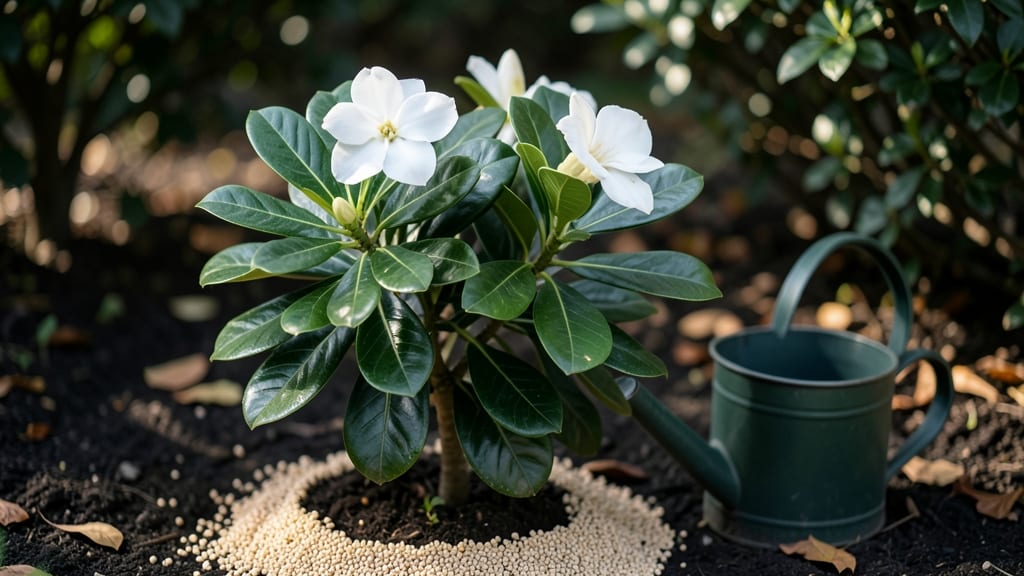
After years of frustration, I finally cracked how to make gardenias flower—and the trick is simpler than you’d think. 🌸 The secret isn’t complicated: it’s about timing, light, and cutting back the right way. Most gardeners overthink it, but the real fix often comes down to one overlooked step.
Gardenias need bright, indirect light to bloom—direct sun scorches their leaves, while too little light starves them of energy. Over-fertilizing with nitrogen (the first number on fertilizer labels) also stunts flowers, sending all their energy into leafy growth instead.
The fix? Prune in late winter or early spring, right before new growth starts, and switch to a bloom-boosting fertilizer with higher phosphorus (the middle number).
Within weeks, you’ll see fresh, glossy leaves and—most exciting—buds forming where there were none before. The blooms arrive heavier and last longer, with that classic gardenia fragrance filling your yard. No more bare branches or wasted effort.
Works for both container gardenias and in-ground plants, and the same principles apply whether you’re in a warm climate or a cooler zone. Let’s get those buds popping!
📚 In This Guide
- What you need
- Instructions
- Tips and common mistakes
- Wrapping up and next steps
What you need
- ● Gardenias: Healthy, mature plants (potted or in-ground). Pro tip: Choose varieties like Gardenia jasminoides for best results!
- ● Pruning shears: Sharp, clean, and sterilized (alcohol wipe works!). ⚠️ Avoid dull blades—they crush stems!
- ● Gloves: Heavy-duty garden gloves (gardenia leaves can irritate skin).
- ● Well-draining potting mix: Acidic, peat-based soil (pH 5.0–6.5). 💡 Mix in perlite or sand for drainage!
- ● Fertilizer: Balanced fertilizer (10-10-10): For general growth.
- ● Acid-loving plant fertilizer (e.g., Miracle-Gro Azalea/Camellia): For blooms.
- ● Epsom salt (magnesium sulfate): 1 tbsp per gallon of water (monthly during bloom season).
- ● Watering can or hose with a gentle spray nozzle: Gardenias hate soggy roots!
- ● Mulch: Pine bark or shredded leaves (2–3 inches thick).
- ● Humidity tray: A shallow tray with pebbles and water to boost moisture.
- ● Grow lights: LED full-spectrum bulbs (if indoors, 12–14 hours of light/day).
- ● pH test kit: To monitor soil acidity (aim for 5.0–6.5).
- ● Pruning paste: To seal cuts and prevent disease.
- ● Compost or worm castings: For nutrient-rich soil amendments.
Step-by-Step instructions for encouraging gardenia blooms
Here's the straightforward approach I've used for years to keep gardenias flowering like clockwork—no guesswork.
☀️ Step 1: Master Light Requirements
Gardenias demand bright, indirect light—think morning sun with afternoon shade. I place mine near an east-facing window where they get 4-6 hours of gentle sunlight daily. Too much direct afternoon sun scorches those glossy leaves, and you'll get fewer blooms. Watch for leaves turning pale yellow—this is your sign they're getting too much sun.
If your gardenia only gets less than 4 hours of light, supplement with a grow light placed 12-18 inches away. Keep it on for 12-14 hours daily to mimic natural conditions. You'll notice new growth within 2-3 weeks when the light is right—leaves stay deep green and stems stay sturdy.
💧 Step 2: Perfect the Watering Routine
Gardenias hate soggy roots but despise drought even more. Water when the top 1-2 inches of soil feel dry—stick your finger in the soil to check. I water deeply until water runs out the drainage holes, then wait until the surface dries slightly before watering again. Overwatering causes root rot, which kills blooms before they open.
Here's the trick: Use room-temperature rainwater or distilled water if possible—gardenias are sensitive to chemicals in tap water. You'll see buds forming more reliably when the plant stays consistently moist but never waterlogged. If leaves start curling or dropping, you're either underwatering or overwatering.
✂️ Step 3: Prune for Continuous Blooms
Pruning isn't just about shaping—it's how you trigger new flower growth. After the last bloom fades, cut the stem back to just above a leaf node (the bump where leaves grow). This encourages the plant to send out new branches from that point. I always use clean, sharp pruners to avoid tearing the stems.
Remove any dead, yellow, or crossing branches first—they steal energy from potential blooms. After pruning, give the plant a light fertilizer (high in phosphorus) to support new growth. You'll see fresh buds forming within 4-6 weeks if the timing is right. Never prune in fall or winter—this is when gardenias set next year's blooms.
🌿 Step 4: Feed for Flower Power
Gardenias need balanced nutrition to keep blooming. I switch to a high-phosphorus fertilizer (like 10-30-20) every 4-6 weeks during spring and summer. Phosphorus is the key nutrient for flower production—it's what makes those buds form. Apply it when the soil is moist so it doesn't burn the roots.
In fall, switch to a low-nitrogen fertilizer to help the plant prepare for dormancy. You'll notice buds forming more reliably when the plant has the right nutrients. If you skip fertilizing, expect fewer blooms and slower growth. Always water the plant after applying fertilizer to help it absorb properly.
⏰ Step 5: Maintain Ideal Conditions Year-Round
Gardenias thrive in 65-75°F temperatures and 50-70% humidity. If your home runs dry, place the pot on a tray of pebbles with water underneath—this creates a humid microclimate. You'll see buds lasting longer and opening more fully when humidity is right.
Keep the plant away from drafts, heating vents, or air conditioning units. Sudden temperature changes stress gardenias and cause buds to drop. If you notice buds forming but not opening, check the humidity and light—these are usually the culprits. With consistent care, you'll get continuous blooms from spring through fall.
Tips & tricks for perfect gardenia blooms
Real talk: The difference between a gardenia that flowers sporadically and one that bursts with blooms year-round often comes down to these simple adjustments.
Light Adjustment Secret: If your gardenia gets only morning sun, rotate the pot quarter-turn weekly so all sides receive equal light. This prevents lopsided growth and ensures buds form evenly. In Step 1, when you're checking for pale yellow leaves, also look for uneven growth patterns—this is your plant's way of telling you it needs more balanced light exposure.
Watering Tell-Tale Signs: The finger-check method in Step 2 works best in the morning. If the soil feels dry by midday, you're likely underwatering. For extra insurance, weigh the pot before watering—when it feels noticeably lighter, it's time to water again. I've seen buds drop within days when plants are stressed by inconsistent moisture.
Pruning Precision: When you're cutting stems in Step 3, make your cuts at a 45-degree angle just above a leaf node. This angle prevents water from pooling on the cut, which can cause rot. Also, never prune more than one-third of the plant's foliage at once—this shocks the plant and delays blooming.
Pro Tips for Make Gardenias Flower
- Real talk: The difference between a gardenia that flowers sporadically and one that bursts with blooms year-round often comes down to these simple adjustments.
- Light Adjustment Secret: If your gardenia gets only morning sun, rotate the pot quarter-turn weekly so all sides receive equal light.
- Watering Tell-Tale Signs: The finger-check method in Step 2 works best in the morning.
Frequently asked questions
Got questions about coaxing those fragrant gardenia blooms? You’re not alone!
Here are answers to the most common queries—plus a few pro tips to keep your gardenias thriving.
Why aren’t my gardenias flowering at all?
Gardenias often skip blooms due to stress—think poor light, overwatering, or nutrient deficiencies. Fix it: Move them to bright, indirect light (like a south-facing window) and prune leggy growth. Also, feed them with acidic fertilizer (pH 5.5–6.5) in spring and summer. Patience is key—they may take 6–12 months to rebound!
How long does it take for gardenias to flower after pruning?
Most gardenias respond within 4–8 weeks after proper pruning, but timing depends on the season. Prune in late winter or early spring (just before new growth starts) for the best results. If you prune too late (fall/winter), blooms may delay until the next growing season. Pro tip: Avoid heavy pruning in summer—it can shock the plant!
Can I make gardenias bloom indoors year-round?
Yes! Indoor gardenias can flower year-round with the right care, but they’re picky about conditions. Key factors:
- Light: 6+ hours of bright, indirect light (grow lights help in winter).
- Humidity: 50%+ (use a pebble tray or humidifier).
- Temperature: Keep them warm (65–75°F)—cold drafts = no blooms.
- Watering: Keep soil consistently moist (not soggy!).
What should I do if my gardenia blooms but drops them quickly?
Dropped blooms usually mean stress—often from drought, temperature swings, or poor air circulation. Troubleshoot:
- Check soil moisture: Water when the top inch feels dry (don’t let it dry out completely!).
- Move to a stable, warm spot (avoid AC vents or cold windows).
- Improve airflow: Prune crowded branches and avoid overcrowding plants.
- Feed lightly: Use a bloom booster (like 10-10-10) every 4–6 weeks.
Are there any gardenia varieties that flower easier?
Some gardenia cultivars are more forgiving for beginners! Top picks:
Variety
Why It’s Great
Fortuniana (Clem’s Pick)
Hardier, drought-tolerant, and blooms more reliably than others.
Radicans (Cascade)
Compact, great for containers, and flowers heavily with minimal fuss.
Veitchii (Veitch’s Gardenia)
Fragrant and less picky about light—ideal for indoor growers.
Wrapping up and next steps
Gardenias may seem finicky, but with the right care—like pruning at the right time, ensuring bright, indirect light, and maintaining consistent moisture and acidity—you can coax those fragrant blooms year-round! 🌸 Remember, patience and attention to detail are key, but the rewards of lush, flowering gardenias are worth every effort.
Ready to transform your gardenia into a blooming superstar? Start by auditing its current care routine—adjust lighting, prune if needed, and test your soil’s pH. Then, watch your plant thrive and fill your space with intoxicating perfume! 💐