
Pruning
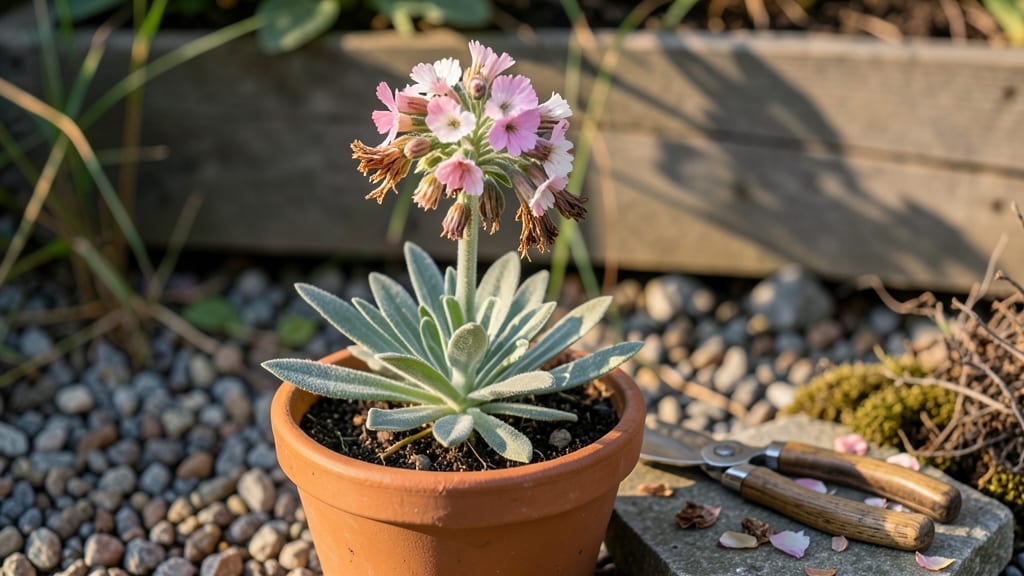
Deadheading dianthus flowers isn’t just about tidying up—it’s the secret to nonstop blooms all season long. 🌸 I’ve watched my pink and white dianthus go from a single burst of flowers in June to a three-month display by simply snipping spent blooms at the right time.
The key? Precision cuts that encourage new growth instead of wasting energy on seed production.
You only need three things: sharp pruning shears, a sunny morning (when blooms are dry), and about 10 minutes of focused attention. Grab your tools, and we’ll tackle this in three easy steps—no green thumb required.
The payoff? Your dianthus will reward you with denser foliage and more vibrant blooms than you’ve ever seen.
Timing matters most: deadhead right after the last petal falls, but before the seed pod forms. Cut just above the next set of leaves or a healthy side bud—this is where new flowers will sprout.
Do this consistently, and you’ll turn a single-season showstopper into a long-blooming star that keeps giving until frost.
Pro tip: Avoid over-pruning—never cut into old wood, or you’ll stunt next year’s growth. And if you miss a bloom or two? No stress. Even a few deadheaded flowers will still produce, just not as prolifically. Now grab those shears and let’s get to work!
📚 In This Guide
- What you need
- Instructions
- Tips and common mistakes
- Wrapping up and next steps
What you need
- ● Pruning shears or sharp scissors: A pair with bypass blades (clean cuts!)—4- to 6-inch blades work best for precision.
- ○ Gloves (optional but recommended): Lightweight gardening gloves to protect your hands from thorns or dirt.
- ● Clean, sharp pruners (backup): A small hand pruner for tight spots (e.g., Dianthus in containers).
- ● Bucket or trash bag: For disposing of spent blooms—1–2 gallons should suffice for a moderate garden.
- ○ Water spray bottle (optional): A 16-ounce bottle to mist plants post-pruning (keeps them hydrated!).
- ● Sunny day or overcast afternoon: Avoid deadheading in direct midday sun—plants can stress.
- ● Dry stems: Wait until blooms are fully faded but stems aren’t mushy (ideal: 1–2 days post-bloom).
- ● Patience: Take your time! Dianthus responds best to gentle, intentional cuts.
- ● Disinfectant (70% isopropyl alcohol): Wipe pruners between cuts to prevent disease spread.
- ● Compost bin: Toss deadheaded blooms here—they’ll break down into nutrient-rich soil!
Step-by-step guide to deadheading dianthus for prolonged blooms
Here's the simple method I use to keep my dianthus flowering nonstop all season.
🌿 Step 1: Wait for the Right Blooms to Deadhead
Only deadhead fully open flowers that have started to fade—look for petals that begin curling at the edges or losing color. These are your signals that the bloom cycle is complete. I usually spot these in the morning after dew has dried, when the flowers are at their freshest and easiest to identify.
Skip any buds that are still tightly closed or half-open—they're not ready yet. You'll know you're picking the right ones when the center of the flower looks slightly browned or the petals start drooping just a bit. This ensures you're not cutting off potential future blooms too early.
✂️ Step 2: Make Clean Cuts Below the Bloom
Use sharp, clean pruners or your fingers to pinch off the faded flower stem just above a set of healthy leaves or leaf nodes. This is crucial—cutting too low removes the plant's energy source for new growth. Aim for a spot where you can see small leaf buds forming along the stem.
I like to make the cut at a slight angle to prevent water from pooling on the stem, which could cause rot. For particularly leggy stems, you can trim back to a stronger side branch if needed—this encourages bushier growth. Always sterilize your tools with rubbing alcohol between plants to prevent disease spread.
🌱 Step 3: Encourage New Growth with Proper Care
After deadheading, give your dianthus a light watering to help it recover, especially if the weather has been particularly dry. The plant will redirect its energy from seed production to creating new buds. You'll notice fresh growth appearing within about a week, especially if you've been providing the right conditions.
Here's the thing—dianthus responds best when you deadhead regularly. I make it a habit to check my plants every few days during peak bloom season. The more consistently you remove spent blooms, the more your plant will reward you with continuous flowering. Just avoid over-trimming—never cut more than 1/3 of the plant's foliage at once.
☀️ Step 4: Maintain Optimal Conditions for Reblooming
After deadheading, ensure your dianthus gets plenty of sunlight—at least 6 hours of direct sun daily. These plants thrive in full sun conditions, and proper light exposure is what triggers their reblooming cycle. I've found that morning sun with some afternoon shade works particularly well in hotter climates.
Also, feed your dianthus with a balanced, water-soluble fertilizer every 4-6 weeks during the growing season. This gives them the nutrients they need to produce those vibrant new blooms. Watch for any signs of stress like yellowing leaves—this usually means either too much water or not enough nutrients.
Tips & tricks for perfect dianthus deadheading
Real talk: deadheading dianthus wrong can actually shorten your blooming season. Here's how to do it right without cutting into your plant's potential.
Timing Secret: Morning is the absolute best time to deadhead—flowers are fully open and easier to assess. The morning light also helps you spot the subtle color changes that signal a bloom is ready. If you miss morning, late afternoon works too, but avoid deadheading after sunset when flowers are closing up naturally. This ensures you're only removing blooms that have fully completed their cycle.
Tool Technique: Don't underestimate the power of clean tools. After sterilizing your pruners with rubbing alcohol, wipe them dry with a clean cloth before making cuts. Damp tools can spread bacteria between plants, and rusty blades tear stems instead of making clean cuts. For small plants or delicate stems, I find using my fingers works better than pruners—just pinch cleanly just above a leaf node.
Reblooming Trigger: The key to continuous blooms is understanding what triggers reblooming. When you remove spent flowers, you're essentially telling the plant, "Don't waste energy on seeds—make more flowers instead." This redirection happens most effectively when you combine deadheading with the right conditions: full sun (those 6 hours daily) and consistent moisture. I've noticed my plants respond best when I deadhead right after watering—it seems to kickstart the new growth cycle.
Pro Tips for Deadhead Dianthus Flowers
- Real talk: deadheading dianthus wrong can actually shorten your blooming season.
- Timing Secret: Morning is the absolute best time to deadhead—flowers are fully open and easier to assess.
- Tool Technique: Don't underestimate the power of clean tools.
Frequently asked questions
Got questions about deadheading dianthus?
You’re not alone! Here are answers to the most common queries—because even expert gardeners need a little guidance now and then.
When is the best time to deadhead dianthus?
Deadhead your dianthus as soon as the blooms fade—ideally within 24 hours. This prevents seed formation and redirects energy to new flowers. For spring-blooming varieties, focus on early summer; for repeat-bloomers, keep up the routine all season long. Pro tip: Morning deadheading minimizes stress on the plant and keeps pests at bay.
Do I need special tools to deadhead dianthus?
Nope! While sharp pruners or clean scissors make the job easier, your fingers work in a pinch. Just sanitize your tools (or wash your hands) first to avoid spreading disease. For delicate stems, pinch just above a leaf node with your thumb and forefinger—no tools required. Bonus: Use the spent blooms in bouquets to reduce waste!
What if I skip deadheading—will my dianthus still bloom?
Yes, but expect fewer, shorter-lived flowers. Deadheading encourages prolonged, abundant blooms by tricking the plant into focusing on growth, not seed production. Skipping it? You might still get pretty blooms, but they’ll fade faster—and the plant may put energy into seed pods instead. Think of it like pruning hair: Regular trims keep it lush!
Can I deadhead dianthus in hot or rainy weather?
Wait for mild, dry conditions—early morning or late afternoon is ideal. Hot weather can stress the plant, while rain can spread disease through open cuts. If you must deadhead in humidity, let the cuts dry for a few hours before watering. Rainy-day hack: Deadhead indoors under a fan to speed drying.
What if my dianthus looks leggy after deadheading?
Leggy growth is normal! Dianthus responds to pruning by stretching toward light. To fix it, give your plant bright, indirect light and a balanced fertilizer (half-strength) after deadheading. Pinch back overly long stems to encourage bushier growth. Over time, your dianthus will rebound with a fuller shape.
Are there alternatives to deadheading for lazy gardeners?
If deadheading feels tedious, try these low-effort tricks:
- Let a few blooms go to seed—this still encourages some reblooming.
- Use a "cut-and-come-again" approach: Snip entire stems at the base for bouquets, then watch new growth sprout.
- Mulch heavily to retain moisture and reduce stress on the plant.
Wrapping up and next steps
Deadheading dianthus flowers is a simple yet rewarding task that keeps your garden vibrant and blooming all season long! 🌸 With just a few precise cuts and a little regular care, you’ll enjoy longer, healthier blooms and a tidier landscape.
Whether you’re a seasoned gardener or just starting out, this technique is easy to master—and your dianthus will thank you for it.
Now that you’re armed with the know-how, grab your pruners and get to work! Try deadheading a few flowers today, and watch your garden flourish. For extra tips, check out our full guide on pruning techniques to keep your plants thriving year-round.