
Container Gardens
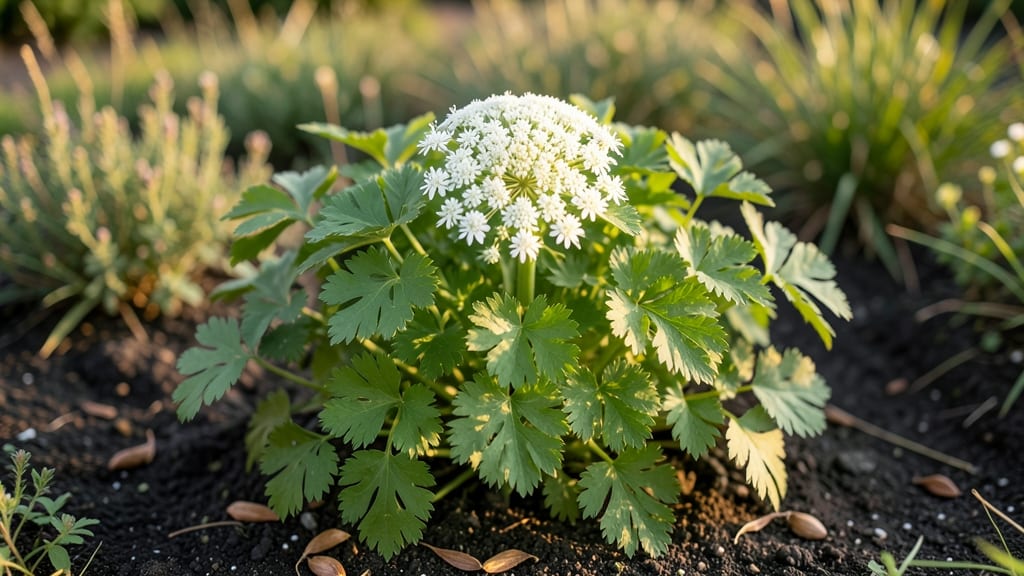
Growing cilantro flowering too soon can turn your favorite herb into a bitter disappointment—here’s how to stop it and keep your plants leafy for weeks. 🌱 I’ve lost more cilantro crops to bolting than I’d like to admit, but I’ve cracked the code to keep it fresh longer.
The secret isn’t complicated—it’s about timing, temperature, and a few clever tricks that trick the plant into staying in leaf mode.
Most people blame heat or drought, but the real culprit is often inconsistent watering or letting the soil dry out. Cilantro hates stress, so keep the soil evenly moist (not soggy) and mulch to lock in moisture.
I also switch to shade cloth once temperatures hit 80°F, which buys me another 2-3 weeks of harvests. The right variety matters too—some bolt faster than others, so I stick with slow-bolting types like ‘Slow Bolt’ or ‘Calypso’.
When bolting happens, don’t panic—you can still salvage the plant. The flowers turn into fragrant cilantro seeds (great for cooking), and the leaves stay edible until the plant goes to seed.
Just harvest the outer leaves first and keep the center tender. With these tweaks, you’ll enjoy fresh cilantro for 6+ weeks instead of just 3.
Works for container gardens, raised beds, or even windowsill pots. Here’s how to keep your cilantro leafy and productive all season long.
📚 In This Guide
- What you need
- Instructions
- Tips and common mistakes
- Wrapping up and next steps
What you need
- ● Cilantro seeds: 1–2 tbsp (organic, non-GMO preferred for best flavor).
- ● Growing container: 6–12 inches deep (minimum) with drainage holes. 5–8 inch diameter for 1–2 plants.
- ● Potting mix: 2–3 gallons of well-draining, organic soil blend (add perlite or compost for aeration).
- ● Watering can or spray bottle: For gentle hydration (avoid soaking the soil).
- ● Fertilizer: Balanced liquid fertilizer (10-10-10 or organic fish emulsion) or compost tea.
- ● Pruning shears or clean scissors: For harvesting and trimming.
- ○ Gloves: To protect hands from soil (optional but handy!).
- ● Shade cloth (30–50% coverage): For hot climates to delay bolting.
- ● Grow lights or sunny windowsill: If natural light is <6 hours/day.
- ● Mulch (straw or shredded leaves): To retain moisture and regulate soil temp.
- ○ Seedling heat mat (optional): For faster germination in cool weather.
How to prevent cilantro flowering and extend fresh harvests
Here's how I keep my cilantro lush and leafy for months instead of bolting early.
🌱 Step 1: Choose the Right Variety for Your Climate
Heat-sensitive cilantro bolts quickly when temperatures rise above 75°F. For summer growing, opt for slow-bolting varieties like 'Santo' or 'Calypso'—they tolerate warmer conditions better than standard types. If you're in a hot climate, grow cilantro only in fall, winter, or spring when days stay cooler.
I always check seed packets for "slow-bolting" labels. These varieties might produce slightly smaller leaves but stay productive for 4-6 weeks instead of just 2-3. The trade-off is worth it for consistent harvests. Plant seeds ¼ inch deep in well-draining soil to give them the best possible start.
☀️ Step 2: Master Light and Temperature Control
Cilantro needs 4-6 hours of sunlight daily but wilts in intense midday heat. Place your plants where they get morning sun and afternoon shade, especially in summer. A north-facing window or dappled sunlight under trees works perfectly for container growing.
Keep soil temperatures below 70°F—hot roots trigger bolting faster than anything else. If your garden runs warm, use black plastic mulch to absorb heat and keep roots cooler. I've seen cilantro bolt in just 10 days when soil temperatures climb above 75°F, so this step is critical.
💧 Step 3: Water Deeply and Consistently
Fluctuating moisture levels stress cilantro and accelerate bolting. Water deeply every 2-3 days until the top 1-2 inches of soil feel moist—not soggy, just damp. The key is consistency: cilantro hates drying out but also can't handle waterlogged roots.
I water in the morning so leaves dry quickly, preventing fungal issues. Overhead watering can cause leaf burn, so I use a soaker hose or water at the base. When you see the lower leaves yellowing, it's often a sign of inconsistent watering rather than bolting.
✂️ Step 4: Harvest Strategically to Delay Flowering
Regular harvesting is the #1 way to prevent bolting. Snip the outer leaves first, leaving the inner growth intact. This encourages bushier regrowth and gives you fresh cilantro for weeks longer than if you wait for full maturity.
Cut leaves when they reach 3-4 inches tall—this size balances flavor and regrowth. Avoid taking more than ⅓ of the plant at once, or you'll shock it into flowering. I harvest every 5-7 days in cool weather, which keeps my plants producing for 6-8 weeks before any signs of bolting appear.
🪴 Step 5: Use Companion Planting to Extend the Season
Plant cilantro near dill, fennel, or basil—these companions help mask the scent that triggers bolting. The strong aromas of these herbs confuse cilantro's natural flowering signals, giving you 2-3 extra weeks of harvest time.
I also interplant cilantro with lettuce or spinach in containers. The shade from taller greens protects cilantro from overheating, while the cilantro's shallow roots don't compete for space. This combo keeps both plants thriving in summer when they'd normally bolt within days.
Tips & tricks for preventing cilantro bolting
Real talk: Even the best-laid cilantro plans can go south if you miss these key details. Here's what I've learned after watching my plants bolt before their time.
Variety Selection Matters: The slow-bolting varieties like 'Santo' or 'Calypso' aren't just marketing—they actually stay productive for the full 4-6 weeks promised. I've tried regular cilantro in summer heat and watched it bolt in just 10 days. The trade-off for slightly smaller leaves is worth the extra harvest time, especially if you're growing for cooking.
Light Management is Critical: That 4-6 hours of sunlight rule is non-negotiable, but the placement matters just as much. I learned this the hard way when my cilantro wilted under direct afternoon sun. Morning sun with afternoon shade—whether from a north-facing window or taller plants—keeps leaves crisp and prevents that stressed look that often precedes bolting.
Soil Temperature is the Hidden Trigger: You might think it's just about air temperature, but soil heat is what really sends cilantro into panic mode. That black plastic mulch trick works wonders—it keeps roots cooler than the surrounding air. I once had cilantro bolt in record time because I ignored this, and now I always check soil temp before planting in summer.
Harvesting Frequency is Everything: The 5-7 day harvest window isn't just a suggestion—it's what keeps your plants producing. I used to wait until leaves got big, and then I'd get a massive harvest followed by immediate bolting. Now I snip those outer leaves religiously, and my plants keep going for weeks longer than they used to.
Pro Tips for Growing Cilantro Flowering
- Real talk: Even the best-laid cilantro plans can go south if you miss these key details.
- Variety Selection Matters: The slow-bolting varieties like 'Santo' or 'Calypso' aren't just marketing—they actually stay productive for the full 4-6 weeks promised.
- Light Management is Critical: That 4-6 hours of sunlight rule is non-negotiable, but the placement matters just as much.
Frequently asked questions
Why does cilantro flower so quickly?
Cilantro bolts (or flowers) fast due to its short life cycle—especially in warm weather. It’s a cool-season herb, so heat, long daylight, or over-maturity trigger flowering. To delay bolting, plant in early spring or fall, keep soil moist, and harvest leaves regularly to encourage bushier growth.
How long does it take for cilantro to flower?
Cilantro typically flowers in 3–6 weeks in warm conditions, but it can take longer (6–8 weeks) in cooler weather. If you’re growing it for leaves, watch for tall stems and white/pink flowers—this means it’s time to harvest or replant! For seeds, let flowers develop into dry seed heads.
Can I still use cilantro after it flowers?
Yes! While the flavor mellows, the leaves and stems are still edible. For a stronger taste, harvest leaves before flowering. If you want seeds (for coriander), let flowers mature fully. Just avoid bitter leaves—trim them off and focus on new growth.
How can I prevent cilantro from flowering too soon?
Use these tricks to slow bolting:
- Shade cloth: Block 30–50% sunlight in hot climates.
- Consistent watering: Keep soil evenly moist (not soggy).
- Harvest often: Pinch off outer leaves to encourage bushiness.
- Choose slow-bolting varieties: Try ‘Calypso’ or ‘Santo’ for heat tolerance.
What’s the best way to harvest cilantro before it flowers?
Harvest leaves by snipping outer stems with clean scissors, leaving the inner growth intact. For a continuous supply, cut 1/3 of the plant at a time, starting from the bottom. Avoid pulling leaves—this damages the plant. If it starts flowering, harvest the leaves first, then pull the whole plant for compost.
Wrapping up and next steps
Growing cilantro can be a rewarding experience, but understanding why it flowers—and how to manage it—is key to enjoying its fresh, vibrant flavor.
By choosing the right variety, providing optimal growing conditions, and harvesting strategically, you can delay bolting and keep your plants thriving. Don’t let flowering discourage you—embrace the process and savor the harvest!
Ready to put your new knowledge into action? Start by planting a few cilantro seeds today and experiment with the tips you’ve learned. Whether you’re a seasoned gardener or a beginner, every harvest is a step closer to a fresher, more flavorful kitchen. Happy growing! 🌱