
Flowers
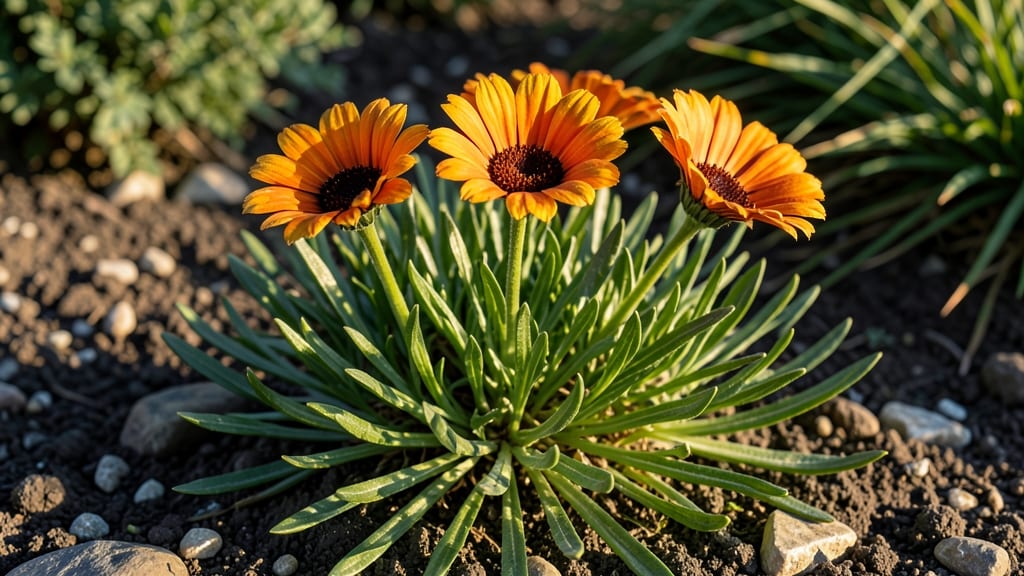
Gazania daisy flowers bring sunshine to your garden even when other plants fade. 🌻 I fell for them after my first summer in a hot, dry climate—these daisies thrived when everything else wilted, their cheerful faces opening only in daylight and closing at night like little golden sun-worshippers.
They’re shockingly low-maintenance: plant them in well-draining soil, give them full sun, and water just enough to keep the roots happy. No fussing over soggy roots or wilting—these beauties handle drought like pros, making them perfect for borders, containers, or even rocky slopes where other flowers struggle.
By midsummer, you’ll have a carpet of blooms in fiery oranges, buttery yellows, and deep reds that last until frost. The secret? Deadheading spent flowers keeps them producing all season, and they’ll even bounce back from light freezes if you mulch them properly for winter.
Whether you’re filling gaps in your landscape or adding pops of color to pots, gazanias deliver bold, reliable drama with almost no effort. Let’s get yours growing like mine—no green thumb required!
📚 In This Guide
- What you need
- Instructions
- Tips and common mistakes
- Wrapping up and next steps
What you need
- ● Gazania plants: 5–10 healthy nursery-grown gazania seedlings or tubers (choose varieties like Gazania rigens or Gazania kewensis for vibrant blooms).
- ● Well-draining potting mix: 2–3 bags (10–15 lbs each) of cactus/succulent blend or regular potting soil amended with perlite or sand (1 part perlite/sand to 3 parts soil).
- ● Containers or garden bed: For containers: 6–12-inch pots (1–2 per plant) with drainage holes.
- ● For in-ground planting: A sunny spot (6+ hours of light) with loose, rocky, or sandy soil.
- ● Slow-release fertilizer: 1–2 tbsp (5–10g) of 10-10-10 or 5-10-5 granular fertilizer per plant (or liquid fertilizer for containers).
- ○ Mulch (optional but recommended): 1–2 inches of gravel, pebbles, or coarse sand to retain moisture and deter weeds.
- ● Gardening gloves (to protect hands from prickly stems).
- ● Trowel or small shovel (for transplanting).
- ● Watering can or hose with a gentle spray nozzle (gazanias hate soggy roots!).
- ● Pruners or scissors (for deadheading spent blooms).
- ● Sun hat & sunscreen (because even flowers need a happy gardener! 🌞).
How to grow gazania daisies for stunning year-round color
Here's how to coax these sun-loving beauties into thriving plants that bloom from spring through frost.
🌱 Step 1: Choose the Perfect Planting Site
Gazania daisies demand full sun—at least 6-8 hours daily. I always pick the warmest, sunniest spot in my garden because they simply won't perform in shade. The soil should drain like a sieve; these plants rot quickly if their roots sit wet. Amend heavy soil with 1-2 inches of coarse sand or perlite if needed.
Work in a balanced fertilizer (10-10-10 ratio) at planting time to give them a strong start. Spread a thin layer over the planting area and mix it into the top 6 inches of soil. This ensures they get essential nutrients right from the beginning. I like to plant mine in late spring after the last frost when soil temperatures reach 60°F—they hate cold soil.
☀️ Step 2: Plant Correctly for Optimal Growth
Space plants 12-18 inches apart in well-draining soil. Dig holes just deep enough to accommodate the root ball without burying the crown. Gazania roots are shallow, so planting too deep suffocates them. Gently firm the soil around each plant and water deeply to settle everything.
Here's the thing—gazania leaves are covered in fine hairs that help them reflect sunlight and reduce water loss. That's why they thrive in hot, dry climates. Water only when the soil feels bone-dry to the touch, about 1 inch deep. Overwatering is their #1 killer, so resist the urge to keep them constantly moist.
💧 Step 3: Maintain with Minimal Effort
Once established, gazania daisies are nearly indestructible. Deadhead spent blooms by pinching them off at the base to encourage nonstop flowering. I do this every morning while I'm watering—it takes just a minute and keeps them looking fresh all season.
Fertilize lightly every 4-6 weeks with a low-nitrogen, high-phosphorus formula (like 5-10-10) to promote blooming over leafy growth. Too much nitrogen makes them flop and leaf out instead of flowering. Watch for powdery mildew in humid conditions—it shows as white fuzzy spots on leaves. At the first sign, spray with a fungicide and improve airflow around plants.
✂️ Step 4: Overwinter with Care
In colder climates, gazania daisies die back to the ground in winter. I cut back the foliage to 1 inch above soil level after the first frost, then cover the planting area with 2-3 inches of mulch. This protects the crown from freezing and insulates the roots through winter.
In mild winter areas, they may continue blooming year-round. Just reduce watering and fertilizing during cooler months. Come spring, remove the mulch and trim back any dead growth. New shoots will emerge within 2-3 weeks—that's your signal to start watering and fertilizing again.
Tips & tricks for perfect gazania daisy flower care
Common pitfalls—and how to sidestep every one when growing these sun-loving stars.
Sunlight Strategy: Those 6-8 hours of daily sun are non-negotiable, but here's the thing: morning sun is more important than afternoon. I've found that gazanias in full afternoon sun can get heat-stressed, especially in summer. If you must compromise, prioritize morning sunlight—it gives them the energy boost they need without the afternoon heat fatigue. Position them where they get sun from 8am until noon if full-day sun isn't possible.
Soil Prep Secret: The 1-2 inches of coarse sand or perlite I mentioned isn't just about drainage—it's about creating air pockets. I like to mix in a handful of horticultural charcoal too (optional but helpful) because it prevents compaction and keeps roots breathing. Test your soil by squeezing a handful: if it holds its shape, add more amendments. The goal is soil that crumbles when you poke it.
Watering Wisdom: That 1-inch deep watering guideline is perfect, but timing matters more than you think. I water my gazanias in the early morning—before 8am—so the foliage dries completely by evening. Wet leaves overnight invite fungal problems, especially in humid climates. Use a rain gauge to track your watering; gazanias need about 1 inch per week, including rainfall.
Fertilizer Timing: The 4-6 week feeding schedule works, but here's what nobody tells you—stop fertilizing after August. The plants need to harden off for winter. I switch to a half-strength feeding in July, then nothing after Labor Day. This helps them build energy reserves for winter survival, especially in colder zones where they'll need to push through mulch come spring.
Pro Tips for Gazania Daisy Flower
- Common pitfalls—and how to sidestep every one when growing these sun-loving stars.
- Sunlight Strategy: Those 6-8 hours of daily sun are non-negotiable, but here's the thing: morning sun is more important than afternoon.
- Soil Prep Secret: The 1-2 inches of coarse sand or perlite I mentioned isn't just about drainage—it's about creating air pockets.
Frequently asked questions
Got questions about growing and caring for gazania daisies? You’re not alone! Here are answers to the most common queries—from planting tips to troubleshooting—so you can keep these sun-loving stars blooming beautifully.
How often should I water gazania daisies?
Water gazanias deeply but infrequently—about once a week during dry spells. They’re drought-tolerant once established, so overwatering (which causes root rot) is worse than underwatering. Let the soil dry out between waterings, and avoid wetting the foliage to prevent fungal issues. Pro tip: Morning watering helps blooms stay dry and vibrant!
When is the best time to plant gazania daisies?
Plant gazanias in early spring after the last frost or in late summer for fall blooms. They thrive in warm weather and can even handle light frosts if planted in mild climates. For container gardening, start seeds indoors 6–8 weeks before the last frost date. Bonus: They self-seed easily, so you might get surprise blooms the next season!
Why are my gazania leaves turning yellow?
Yellowing leaves often signal overwatering or nutrient deficiencies. Check the soil—if it’s soggy, cut back on water. If leaves are pale or crispy, they might need more phosphorus (use a balanced fertilizer). Pests like aphids can also cause stress; spray with soapy water if you spot them. Quick fix: Trim affected leaves to encourage new growth.
Can gazanias grow in containers, and what’s the ideal pot size?
Gazanias thrive in containers with well-draining soil and at least 6–8 inches of depth. Use pots with drainage holes and group 3–5 plants per container for a fuller look. Terracotta pots help prevent root rot. Container hack: Mix in perlite or sand to improve drainage—these plants hate soggy feet!
Are gazanias annuals or perennials?
Gazania daisies are tender perennials in warm climates (USDA zones 8–11) but are often grown as annuals in cooler regions. In colder areas, they’ll die back in winter but self-seed prolifically for next year’s blooms. If you love them, protect them with mulch or grow them in containers you can bring indoors during frost.
What’s the difference between gazanias and African daisies?
Gazanias are often called "African daisies," but the term is technically a common name for Gerbera daisies (which are unrelated). Gazanias (Gazania genus) have ruffled petals, close at night, and thrive in hot, dry conditions—unlike Gerberas, which prefer consistent moisture. Think of gazanias as the sun-worshipping divas of the daisy world!
Wrapping up and next steps
Gazania daisies are the star players of sun-drenched gardens, offering bold colors, resilience, and year-round charm with minimal fuss. Whether you're a seasoned gardener or a newbie, their easy-care nature and vibrant blooms make them a must-have for sunny spaces.
Ready to transform your outdoor oasis? Grab your gloves, pick a sunny spot, and start planting—your dream garden is just a few seeds (or cuttings) away! 🌞✨