
Flowers
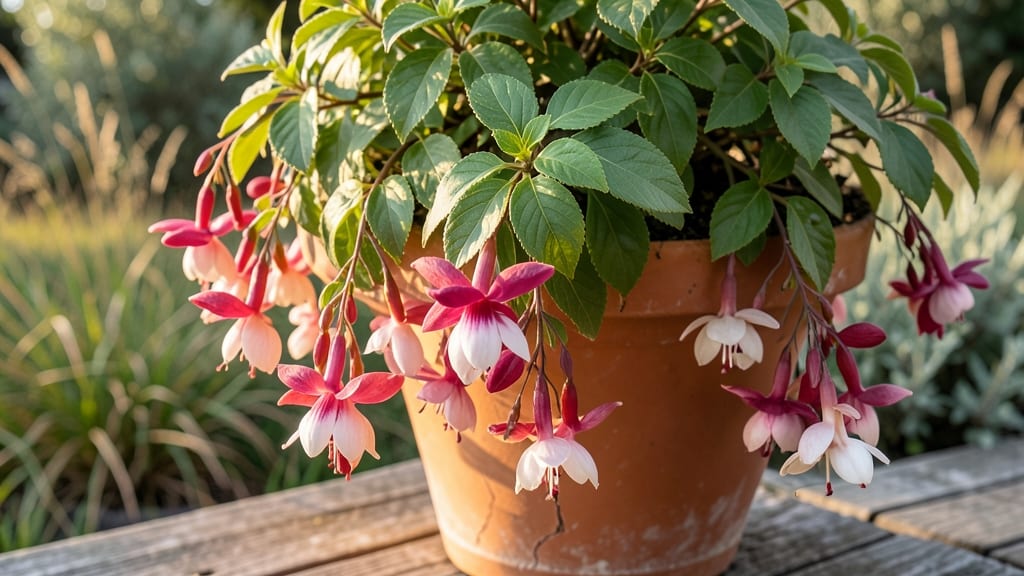
Fuchsia hanging flowers turn patios into living waterfalls of color. 🌸 I’ve watched mine spill over baskets from spring until frost, their velvety petals swaying in the slightest breeze.
The secret isn’t just choosing the right varieties—it’s how you pair them with complementary plants to create a showstopping display that lasts all season.
Start with the right containers: 12- to 14-inch hanging baskets work best, filled with a lightweight mix of peat moss and perlite. Fuchsias thrive when their roots stay cool, so add a layer of moss on top to retain moisture.
Pair them with trailing plants like sweet potato vine or calibrachoa for a fuller look, or contrast their soft pinks with bold purple lobelia for a striking pop.
By midsummer, your baskets will be bursting with hundreds of blooms, their colors deepening from pale pink to rich magenta as the season progresses. The cascading effect creates a dreamy, almost whimsical feel—perfect for adding vertical interest to small spaces.
Plus, they attract hummingbirds, turning your patio into a lively pollinator hotspot.
Whether you’re dressing up a balcony, framing a front door, or adding drama to a porch, fuchsias adapt beautifully. For cooler climates, bring baskets indoors before frost or choose cold-hardy varieties like ‘Giant Marble.’
The key is keeping them happy, and the payoff is pure, effortless beauty that keeps giving all season long.
📚 In This Guide
- What you need
- Instructions
- Tips and common mistakes
- Wrapping up and next steps
What you need
- ● Fuchsia plants: 1–3 healthy nursery-grown fuchsia plants (choose trailing varieties like Fuchsia 'Giant Marble' or Fuchsia 'Swing Time' for best results).
- ● Hanging baskets: 1–2 baskets (10–12 inches in diameter) with drainage holes. Coconut fiber or plastic baskets work well.
- ● Potting mix: 1 bag (5–10 quarts) of well-draining, peat-based mix (or a blend of 50% peat moss, 30% perlite, and 20% compost).
- ● Slow-release fertilizer: 1 packet of balanced, time-release granules (10-10-10 or 14-14-14 NPK ratio).
- ● Watering can or spray bottle: With a gentle, fine-mist nozzle for hydration.
- ● Scissors or pruning shears: For trimming (sterilized with rubbing alcohol).
- ● Moss or sphagnum liner: 1–2 sheets (to retain moisture and prevent root rot).
- ● Liquid fertilizer: 1 bottle (balanced or blooming-specific, like 20-20-20).
- ○ Support stakes or trellis: For tall varieties (optional for trailing types).
- ● Mulch or decorative stones: To enhance aesthetics and retain moisture.
- ○ Gloves: For handling prickly stems (optional but recommended!).
Step-by-step guide to growing fuchsia hanging baskets
Here's how to coax those stunning trailing blooms into nonstop summer-long displays.
🪴 Step 1: Choose the Right Hanging Containers
Fuchsias thrive in 12-16 inch diameter hanging baskets with excellent drainage. I recommend using fabric grow bags because they allow roots to breathe while retaining moisture better than plastic. Make sure each basket has at least 4 drainage holes—fuchsias hate soggy roots.
Line the bottom with 1-2 inches of sphagnum moss to create a natural filter layer. This prevents soil from washing out while still allowing water to drain freely. The moss also helps maintain consistent moisture levels, which fuchsias love. Place your baskets where they'll get morning sun and afternoon shade—this protects delicate blooms from scorching.
🌱 Step 2: Prepare Lightweight, Well-Draining Soil Mix
Fuchsias need soil that drains well but holds moisture. Mix 50% peat moss with 30% perlite and 20% compost for the perfect balance. This combination prevents root rot while keeping roots consistently moist. Avoid garden soil—it compacts too easily and suffocates fuchsia roots.
Fill your baskets about halfway with this mix. Press down lightly to settle, but don't compact it. The goal is to create air pockets that encourage healthy root growth. I like to add a handful of slow-release fertilizer pellets to the bottom for steady nutrition throughout the season. This gives your fuchsias a strong start without burning tender roots.
☀️ Step 3: Plant and Position for Optimal Growth
Dig a hole in the center of your basket about 2 inches deep and gently place your fuchsia plant in, spreading roots outward. Cover with soil and water thoroughly until it drains from the bottom. Fuchsias have shallow roots, so planting too deep can cause stem rot. I usually plant 3-4 plants per 12-inch basket to create a lush, cascading effect.
Position your baskets where they'll receive 4-6 hours of morning sunlight and afternoon shade. Fuchsias bloom best in cooler temperatures and bright, indirect light. If you notice leaves turning yellow or wilting, it's a sign of too much direct sun. Move the basket to a slightly shadier spot immediately—fuchsias are sensitive to heat stress.
💧 Step 4: Water and Feed for Continuous Blooms
Water your fuchsias daily in hot weather, but always check the soil first. Stick your finger 1 inch deep—if it feels dry, it's time to water. I like to water from the bottom by placing the basket in a saucer of water for 10-15 minutes. This encourages roots to grow downward and strengthens the plant.
Feed your fuchsias every 2-3 weeks with a balanced liquid fertilizer (10-10-10 ratio). The key is consistency—fuchsias respond beautifully to regular feeding. You'll notice new buds forming within a week of fertilizing. Deadhead spent blooms regularly to encourage more flowers. Pinch off flowers as they fade with your fingertips—no need for scissors.
Tips & tricks for perfect fuchsia hanging baskets
These simple strategies will help you transform your fuchsias into a breathtaking summer display that keeps blooming all season.
Container Selection: Fabric grow bags are my go-to because they breathe better than plastic and prevent root rot. If you can't find fabric, use ceramic or terracotta—just make sure they have those 4+ drainage holes. I've had the best luck with 12-16 inch diameter baskets because they give roots enough room to spread while maintaining the perfect cascading shape. Pro tip: Hang them at eye level so you can admire the blooms without straining your neck!
Soil Mix Secrets: The 50-30-20 peat moss/perlite/compost ratio is non-negotiable for fuchsias, but here's what nobody tells you—add 1 part coconut coir to the mix if you live in a dry climate. It holds moisture better than peat moss alone. When filling your baskets halfway, press down just enough to settle the soil but leave plenty of air pockets. I like to sprinkle a pinch of worm castings on top before planting—it gives an instant nutrient boost without burning tender roots.
Lighting Strategy: Those 4-6 hours of morning sun are crucial, but timing matters just as much as duration. Position your baskets to catch the gentle morning rays (before 10 AM) when temperatures are cooler. Afternoon shade is equally important—even a few hours of direct afternoon sun can scorch delicate blooms. I've learned this the hard way: when leaves start curling or turning yellow, move the basket immediately. Fuchsias are like divas—they need perfect lighting to perform at their best.
Watering Wisdom: The 10-15 minute soak method works wonders, but there's a trick to make it even better. Add 1 tablespoon of fish emulsion to the water every other soak—it gives your plants a nutrient boost while they drink. And here's another secret: water in the early morning so leaves have all day to dry, preventing fungal issues. If your soil feels dry just 1 inch down, it's time to water—don't wait until it's bone dry, or you'll shock the roots.
Pro Tips for Fuchsia Hanging Flowers
- These simple strategies will help you transform your fuchsias into a breathtaking summer display that keeps blooming all season.
- Container Selection: Fabric grow bags are my go-to because they breathe better than plastic and prevent root rot.
- Soil Mix Secrets: The 50-30-20 peat moss/perlite/compost ratio is non-negotiable for fuchsias, but here's what nobody tells you—add 1 part coconut coir to the mix if you live in a dry climate.
Frequently asked questions
Got questions about growing and enjoying fuchsia hanging flowers? You’re not alone! Here are answers to the most common queries to help you cultivate stunning cascades with ease.
How do I choose the best location for my fuchsia hanging baskets?
Fuchsias thrive in bright, indirect light—think dappled shade or east-facing windows. Avoid harsh afternoon sun, which can scorch delicate blooms. If growing outdoors, a spot under a tree or patio umbrella works best. Pro tip: Rotate baskets occasionally for even growth!
When is the best time to plant fuchsias for continuous blooms?
For year-round color, plant new fuchsias in spring (after last frost) and overwinter existing plants indoors (or dig up tubers in fall). If you’re in a mild climate, you can plant fall fuchsias for late-season blooms. Just ensure they’re protected from frost!
Can I grow fuchsias in containers other than hanging baskets?
Fuchsias adapt well to window boxes, pots, or even vertical gardens. Just ensure containers have drainage holes and use a well-draining potting mix. Hanging baskets maximize their cascading beauty, but trailing varieties look stunning in tiered planters too!
Why are my fuchsia leaves turning yellow or dropping?
Yellowing leaves often signal overwatering or poor drainage. Let the top inch of soil dry out between waterings, and avoid soggy roots. Drooping can also mean underwatering or root-bound plants. Check for pests (like aphids) and fertilize lightly with a balanced bloom booster every 4–6 weeks.
Do fuchsias survive winter, or should I bring them inside?
In cold climates (below 20°F/-7°C), fuchsias need winter protection. For hardy varieties, mulch the base or wrap containers. Most gardeners bring potted fuchsias indoors to a cool, bright spot (like a garage with natural light) until spring. Reduce watering but keep soil slightly moist.
Wrapping up and next steps
Transforming your space with fuchsia hanging flowers is a rewarding way to add year-round color and charm! These stunning blooms thrive with the right care, offering effortless beauty that brightens any corner.
Whether you’re a seasoned gardener or a beginner, their resilience and vibrant hues make them a must-have for any outdoor or indoor oasis.
Ready to dive in? Start small—pick a single trailing fuchsia to test the waters, or go bold with a cascading display. Grab your supplies, follow the tips, and watch your garden come alive with these dazzling cascades! 🌸✨