
Planting
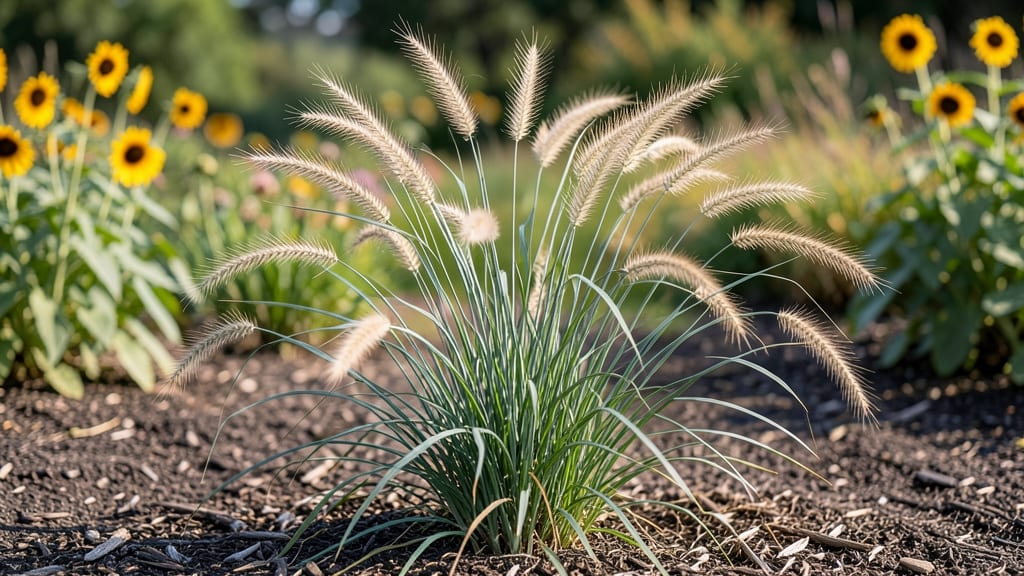
The foxtail plant flower transforms any garden into a striking vertical masterpiece. ✨ I fell for its airy, feathery plumes the first time I spotted them swaying in a summer breeze—now they’re the star of my late-season borders. These grasses thrive where others fade, offering drama from midsummer through frost.
You’ll need just three things to get started: a sunny spot (they love 6+ hours of light), well-draining soil, and patience—they grow 3-5 feet tall but reward you with effortless elegance. Varieties like Pennisetum or Alopecurus add texture and movement, while Horse Tail Lily brings a bold, architectural edge.
By late summer, you’ll be harvesting those signature foxtails for dried arrangements or letting them stand tall as winter’s first focal point. The care is minimal: water when soil dries, trim back in spring, and watch them bounce back stronger each year.
Perfect for cutting gardens, container displays, or mixed borders—these plants work year-round, whether fresh or dried. Let’s get yours growing!
📚 In This Guide
- What you need
- Instructions
- Tips and common mistakes
- Wrapping up and next steps
What you need
- ● Foxtail plants (Pennisetum or Hordeum spp.): 1–3 mature plants (for instant impact) or
- ● Seeds (1–2 packets, ~100–200 seeds per packet)
- ● Well-draining soil mix: 50% native soil + 50% compost or cactus/succulent mix (for pots)
- ○ Optional: Perlite or sand (1 part) for extra aeration
- ● Containers or garden beds: Pots: 12–18" diameter (1 per plant)
- ● Garden beds: Full sun exposure (6+ hours/day)
- ● Basic tools: Trowel or hand shovel
- ○ Gloves (optional but recommended)
- ● Watering can or hose with gentle spray
- ● Slow-release fertilizer (balanced 10-10-10 or succulent-specific)
- ● Mulch (gravel or decorative stones to retain moisture)
- ● Pruning shears (for shaping mature plants)
- ● Support stakes (if growing tall varieties like Pennisetum alopecuroides)
- ● Drought-resistant plants (to pair nearby, like lavender or sedum)
How to grow and care for foxtail plants for striking vertical interest
These architectural wonders thrive with minimal fuss—just follow my go-to method.
🌱 Step 1: Select the Perfect Planting Location
Foxtail plants (Pennisetum spp.) crave full sun to perform at their best. Choose a spot receiving at least 6-8 hours of direct sunlight daily—their dramatic plumes won't develop properly in shade. I always plant mine where they'll catch morning sun and afternoon light, as this prevents the foliage from leaning toward the light source.
Well-draining soil is non-negotiable. Amend heavy clay with 2-3 inches of compost or coarse sand to prevent root rot. Test the drainage by digging a 6-inch hole, filling it with water, and checking if it drains within 30 minutes. Slow drainage means you'll need to raise the plant in a mound or container.
🪴 Step 2: Plant with Proper Spacing for Airflow
Dig holes twice as wide as the root ball but no deeper. Gently remove the plant from its container and loosen any circling roots with your fingers—this encourages outward growth. Place the plant in the hole so the top of the root ball sits level with the surrounding soil (never buried deeper).
Space plants 18-24 inches apart for mature width. Crowding leads to weak stems and poor air circulation, which invites fungal diseases like powdery mildew. If planting in containers, use pots at least 12 inches deep with drainage holes—foxtails hate soggy feet.
☀️ Step 3: Water Deeply and Establish a Routine
Water deeply once a week during the first growing season, allowing the top 2-3 inches of soil to dry between waterings. Overwatering is the #1 killer of foxtails—yellowing leaves signal you're drowning the roots. I use a soaker hose to deliver water slowly at the base, avoiding the foliage to prevent disease.
Once established, foxtails are drought-tolerant but reward consistent moisture with lush growth. Mulch with 2-3 inches of shredded bark to retain soil moisture and suppress weeds. Watch for brown leaf tips—this usually means underwatering, while yellowing lower leaves indicates overwatering.
✂️ Step 4: Prune for Shape and Encourage New Growth
Cut back one-third of the plant in early spring before new growth begins. Use clean, sharp pruners to make cuts just above a leaf node (the bump where leaves emerge). This removes dead foliage and stimulates fresh, vibrant plumes. I always wear gloves—foxtail leaves can be sharp!
Deadhead spent flower plumes in late fall to tidy the plant and redirect energy into root development. Never cut into old wood (the bare stems)—this won't regrow. If your plant looks leggy, pinch back the tips of new growth to encourage bushier habits. You'll see denser foliage within 4-6 weeks.
🌿 Step 5: Protect and Maintain Year-Round Interest
Foxtails are hardy but benefit from winter mulch in colder climates. Apply 3-4 inches of straw mulch after the first frost to insulate roots. In zones 5-7, they may die back but return vigorously in spring. In warmer zones, they stay evergreen with minimal care.
Fertilize once in early spring with a balanced 10-10-10 formula at half strength. Over-fertilizing leads to weak stems and fewer plumes. I skip fertilizer entirely in the second year—healthy soil and proper watering are all these plants need for bold, drama-filled displays.
Tips & tricks for perfect foxtail plant care
Took me years to perfect these strategies for foolproof foxtail growth—here's what actually makes the difference.
Sunlight Strategy: In Step 1, when selecting your location, pay attention to seasonal sun shifts. If your garden has afternoon shade in summer, position your foxtails to catch morning sun instead—this prevents the classic "leaning" problem where plants stretch toward light. I've seen dramatic plumes develop even in partial shade when given morning sun, proving that quality beats quantity when it comes to light exposure.
Soil Test Hack: Before amending your soil in Step 1, do this quick test: Scoop up a handful of moist soil and squeeze it. If it holds its shape like a clay brick, you need more sand or grit. If it crumbles easily, add compost instead. This simple check saves you from over-amending—foxtails thrive in soil that drains well but still holds moisture, not sandy desert or waterlogged swamp.
Watering Wisdom: The once-a-week guideline in Step 3 works best when you check soil moisture first. Stick your finger 2 inches deep—if it feels dry, water deeply. If it's still damp, wait another day. I've ruined more foxtails from overwatering than underwatering, so err on the dry side during the first growing season. A moisture meter is worth the investment if you're serious about these plants.
Pruning Precision: When cutting back one-third of the plant in Step 4, focus on removing the oldest stems first. These are the ones that look brown and brittle at the base. Leave the fresh, green growth—this is where next year's plumes will emerge. I've made the mistake of over-pruning, which left my plants looking bare for months. Less is more with foxtails!
Pro Tips for Foxtail Plant Flower
- Took me years to perfect these strategies for foolproof foxtail growth—here's what actually makes the difference.
- Sunlight Strategy: In Step 1, when selecting your location, pay attention to seasonal sun shifts.
- Soil Test Hack: Before amending your soil in Step 1, do this quick test: Scoop up a handful of moist soil and squeeze it.
Frequently asked questions
Got questions about adding foxtail plant flowers to your garden? You’re not alone! Here are some of the most common queries—and their answers—to help you grow with confidence.
When is the best time to plant foxtail plants for flowers?
The ideal time to plant Pennisetum (foxtail plants) is in early spring after the last frost, or in late summer for a fall display. These hardy grasses thrive in warm soil, so avoid planting when temperatures are still chilly. If you’re in a mild climate, you can also plant in early fall for winter interest!
Why aren’t my foxtail plants flowering this year?
Foxtail plants may skip flowering due to young age (they often take 1–2 years to bloom), poor soil nutrients (add phosphorus-rich fertilizer), or overcrowding. Ensure they get full sun (6+ hours/day) and well-draining soil. If they’re established but still not flowering, try pruning back dead foliage in early spring to encourage new growth.
Can I grow foxtail plants in containers, and what’s the best variety?
Foxtail plants thrive in containers, especially Pennisetum alopecuroides (Fountain Grass) or Pennisetum villosum (Bunch Grass). Use a 12–18-inch pot with drainage holes and a lightweight, well-draining mix. Choose compact varieties like 'Little Bunny' for smaller spaces. Just keep them consistently moist but not soggy!
How do I overwinter foxtail plants in cold climates?
Foxtails are perennial in USDA zones 5–11, but in colder areas, cut back dead foliage in late fall and mulch the base with 2–3 inches of straw or shredded leaves. Avoid heavy mulch, which can rot the crown. In zone 4 or colder, dig up clumps, pot them, and store indoors until spring. They’re tough—just give them a little winter TLC!
Are there non-flowering alternatives to foxtail plants for vertical interest?
If you love the dramatic height of foxtails but want year-round structure, try Miscanthus (Silver Grass), Cortaderia selloana (Pampas Grass), or Stipa tenuissima (Feather Reed Grass). For colorful foliage, consider Carex testacea (Prairie Sedge) or Hakonchloa macra (Japanese Forest Grass). All offer low-maintenance vertical drama!
Wrapping up and next steps
The foxtail plant flower brings a touch of whimsical elegance to any garden, offering year-round drama with its striking vertical forms and low-maintenance charm. Whether you're a seasoned gardener or just starting, these plants are a fantastic way to add bold accents that thrive with minimal effort.
Ready to transform your outdoor space? Start small—plant one or two foxtails as a statement piece, and watch your garden come alive with texture and movement!
- Next step: Sketch a simple layout of your garden or patio to visualize where foxtails would shine brightest.
- Pro tip: Pair them with contrasting foliage (like deep purples or silvers) for a showstopping effect! 🌿✨