
Flowers
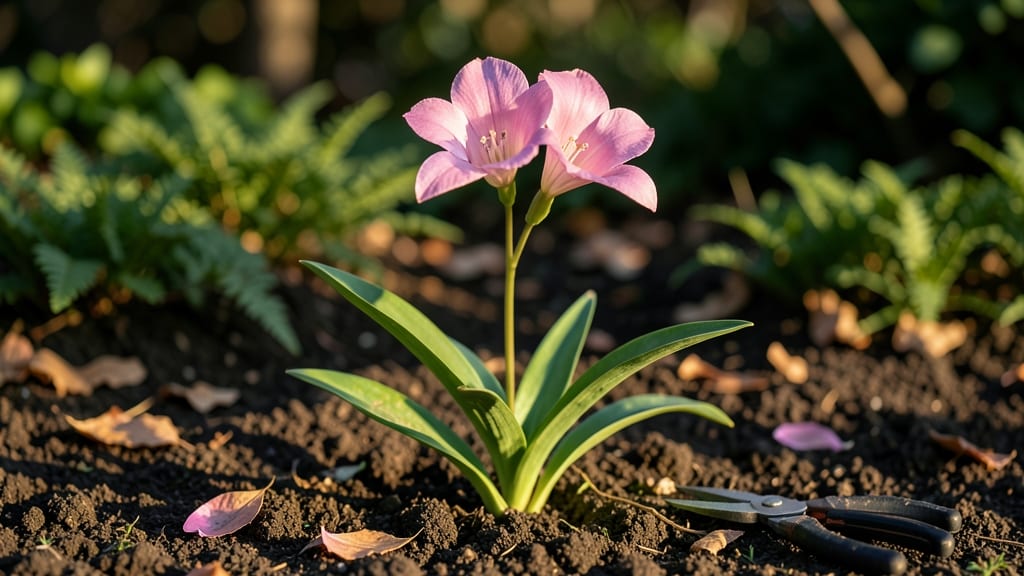
The flowers called Naked Ladies emerge like magical surprises every late summer. 🌸 Their striking magenta blooms shoot up from bare soil, seemingly overnight, with no leaves in sight—just a bold burst of color that turns heads.
This is Lycoris radiata, a plant that thrives on neglect and delivers drama with almost no effort.
You’ll need a sunny spot with well-draining soil, as these plants despise soggy roots. They’re hardy in zones 5-9 and handle heat and drought once established, making them perfect for low-maintenance gardens. The secret? Plant bulbs in fall, water lightly until leaves appear, then let nature take over.
By late summer, you’ll be rewarded with clusters of vibrant blooms that last for weeks. The bare stems create a striking contrast against the ground, and the flowers even attract hummingbirds. Pruning is minimal—just remove faded blooms in fall to keep the look clean for next season.
They’re often confused with lilies, but Naked Ladies have no leaves when in bloom and their bulbs are actually more closely related to amaryllis. Once you plant them, they’ll multiply and naturalize, giving you free flowers for years with almost no work. Here’s how to get started!
📚 In This Guide
- What you need
- Instructions
- Tips and common mistakes
- Wrapping up and next steps
What you need
- ● Naked Lady bulbs: 3–5 bulbs (depending on desired coverage). Choose certified disease-free bulbs from a trusted nursery.
- ● Well-draining soil: A mix of garden soil, compost, and perlite (ratio: 60% soil, 30% compost, 10% perlite). Aim for a pH of 6.0–7.0.
- ● Organic mulch: 2–3 inches of pine straw, shredded bark, or leaf mold to retain moisture and regulate temperature.
- ● Watering can or hose: With a gentle spray nozzle to avoid displacing soil.
- ● Garden gloves: A pair of durable, breathable gloves (e.g., nitrile-coated) for handling soil and bulbs.
- ● Trowel or bulb planter: For digging holes with precision.
- ● Measuring tape or ruler: To ensure bulbs are planted at the correct depth (2–3 times their height).
- ● Slow-release fertilizer: A balanced 10-10-10 or bulb-specific fertilizer to boost early growth (apply sparingly).
- ● Plant support: Small stakes or rings if your garden experiences strong winds (though Naked Ladies are generally sturdy!).
- ● Drip irrigation system: For automated, consistent watering during dry spells.
- ● Pruning shears: Bypass pruners for minimal cleanup after flowering (though these plants need almost no pruning!).
- ● Shade cloth: Lightweight 30–50% shade cloth if planting in hot climates to protect foliage.
How to grow Naked Ladies for stunning year-round blooms
Here's the simple approach I use to keep these bold beauties thriving with almost no fuss.
🌱 Step 1: Choose the Right Location and Planting Time
Naked Ladies (Lycoris radiata) thrive in full sun to partial shade with 6+ hours of sunlight daily. They're hardy perennials that naturalize beautifully in garden beds or along borders. Plant them in well-draining soil—they despise soggy roots, which leads to bulb rot.
I always plant mine in early fall (around October) when soil temperatures are cooling but still workable. This gives the bulbs time to establish roots before winter dormancy. If you must plant in spring, do it as soon as the ground thaws—these bulbs don't like waiting around.
Dig a hole twice as wide as the bulb but only as deep as the bulb itself. The top of the bulb should sit 1-2 inches below soil level. Space bulbs 6 inches apart—they multiply quickly, so give them room to spread.
💧 Step 2: Water and Fertilize for Strong Growth
After planting, water deeply to settle the soil around the bulbs. Then, water sparingly—just enough to keep the soil moist but not soggy—until spring growth appears. Once shoots emerge in late spring or early summer, increase watering to 1 inch per week, letting the soil dry slightly between waterings.
Feed with a balanced, low-nitrogen fertilizer (like 10-10-10) in early spring when shoots appear. I use about 1 tablespoon per plant, sprinkled around the base and lightly scratched into the soil. Avoid fertilizing after mid-summer—this encourages weak fall growth that won't survive winter.
Here's the thing—Naked Ladies store nutrients in their bulbs, so they don't need heavy feeding. Over-fertilizing leads to floppy, weak stems that flop over before blooming. Less is more with these dramatic divas.
☀️ Step 3: Enjoy Minimal Care Through the Seasons
Naked Ladies are low-maintenance superstars. Once established, they handle drought, heat, and even light frosts with ease. The key is letting foliage die back naturally—never cut it until it turns completely brown in late fall or early winter. This process recharges the bulbs for next year's blooms.
When the bright pink blooms appear (usually late summer to early fall), they last only 2-3 days per stem, but dozens of stems bloom simultaneously, creating a stunning show. The secret? No deadheading—the spent blooms and foliage feed the bulbs for next season.
If you notice yellowing leaves in summer, it's normal—this is how they prepare for dormancy. Just reduce watering and let nature take its course. These plants are self-sufficient once settled in.
✂️ Step 4: Divide and Multiply Every 3-4 Years
Naked Ladies spread aggressively, so divide clumps in early fall when foliage has died back. Dig up the entire clump, gently separate the bulbs (they'll pull apart easily), and replant the largest, healthiest ones. Discard any soft, mushy, or shriveled bulbs—they won't regrow.
I replant divisions in new areas of the garden or share them with fellow gardeners. Each bulb produces 3-5 offsets over time, so you'll have plenty to go around. This is the only pruning these plants need—everything else is hands-off.
Real talk: If you forget to divide them, they'll still bloom beautifully. But dividing keeps them vigorous and prevents overcrowding, which can lead to smaller flowers and weaker stems.
Tips & tricks for perfect Naked Ladies blooms
Here's what I learned after years of growing these striking perennials—simple tricks that make all the difference.
Soil Secrets: The well-draining soil requirement isn't just about avoiding rot—it's about mimicking their natural habitat. If your garden soil is heavy clay, mix in 2-3 inches of compost or coarse sand when planting. I've seen Naked Ladies thrive in containers with a mix of potting soil and perlite (50/50 ratio) when planted in early fall—just make sure the container has drainage holes. The key is keeping those roots happy and dry during dormancy.
Planting Precision: That 1-2 inch depth for bulb placement isn't arbitrary—it protects the bulb from frost heave while allowing foliage to emerge cleanly. I mark the planting depth with a pencil on the bulb itself before lowering it into the hole. For container growing, use a shallow pot (8+ inches deep) and plant with the top of the bulb just below the soil surface. This prevents the bulb from sitting too deep and becoming waterlogged.
Fertilizer Timing: The 1 tablespoon per plant of balanced fertilizer in early spring is perfect, but here's the thing—timing matters more than quantity. Apply it when you see 1-2 inch green shoots emerging, not when the foliage is already established. I've noticed that fertilizing too early can encourage soft growth that gets damaged by late frosts. And remember: the mid-summer cutoff is non-negotiable—this prevents the plant from putting energy into new growth when it should be preparing for dormancy.
Division Strategy: When dividing those 3-5 offset bulbs every 3-4 years, focus on the largest ones—these are your future bloomers. I like to replant the medium-sized offsets in new garden spots to prevent overcrowding in the original location. The small offsets can be kept in a shady spot for a year to mature before replanting. This staggered approach gives you continuous blooms across your garden while keeping each cluster vigorous. The early fall timing is ideal because the bulbs have finished their growing cycle and won't be disturbed by new growth.
Pro Tips for Flowers Called Naked Ladies
- Here's what I learned after years of growing these striking perennials—simple tricks that make all the difference.
- Soil Secrets: The well-draining soil requirement isn't just about avoiding rot—it's about mimicking their natural habitat.
- Planting Precision: That 1-2 inch depth for bulb placement isn't arbitrary—it protects the bulb from frost heave while allowing foliage to emerge cleanly.
Frequently asked questions
Got questions about these bold bloomers? You’re not alone!
Here are the most common queries about flowers called Naked Ladies—from care to quirks—so you can keep your garden looking effortlessly chic.
What exactly are Naked Ladies, and why are they called that?
Naked Ladies (genus Amaryllis belladonna) are striking, bare-stemmed flowers that burst from the ground with no foliage until after blooming. The name comes from their "naked" appearance—just dramatic, pink or white blooms on leafless stems, like a floral surprise! Their true leaves emerge later, adding a lush finish.
How long do Naked Ladies bloom, and can I make them last longer?
These showstoppers typically bloom for 2–4 weeks in late fall or winter, depending on your climate. To extend their drama:
- Plant in full sun (6+ hours/day) for vibrant blooms.
- Avoid overwatering—they’re drought-tolerant once established!
- Deadhead spent flowers to encourage a second, smaller bloom cycle in spring.
Can Naked Ladies survive cold winters, or do I need to dig them up?
These bulbs are hardy in USDA zones 7–10. In colder zones (below 7), plant them in well-draining soil and mulch heavily (3–4 inches) after foliage dies back. No digging required! They’ll rebloom year after year if left undisturbed. Exception: If your winters are brutal (<20°F), lift and store bulbs in dry peat moss until spring.
What if my Naked Ladies don’t bloom? How do I troubleshoot?
No flowers? Don’t panic! Common culprits:
- Too much shade: Move to a sunnier spot (they need bright light to bloom).
- Overwatering: Let soil dry between waterings—they hate soggy roots.
- Old bulbs: Dig up and divide clumps every 3–5 years to revive vigor.
- Not enough food: Feed with bone meal or bulb fertilizer in early fall.
Are there alternatives to Naked Ladies for year-round interest?
If you love the drama but want variety, try these low-maintenance bloomers:
- Rain Lilies (Zephyranthes) : Pop up after rain, no chill needed!
- Crinum Lilies: Tall, fragrant blooms with sword-like foliage (hardy to zone 7).
- Paperwhites (Narcissus papyraceus) : Indoor-friendly, bloom in winter.
- Cyclamen (Cyclamen persicum) : Stunning foliage + flowers; great for containers.
Wrapping up and next steps
From their striking year-round drama to their low-maintenance charm, Lycoris radiata—or "naked ladies"—prove that beauty doesn’t require backbreaking work. 🌸 Whether you’re drawn to their bold blooms or their resilience, these flowers are a dream for gardeners who crave impact with minimal fuss.
Ready to transform your garden? Start by planting a few this fall and watch them deliver seasonal surprises with almost no effort!
🌱 Your Next Step:
- Order bulbs now (if not already in stock) and plant them in well-draining soil.
- Share your progress—tag us in your garden pics for a chance to be featured!
- Experiment! Try pairing them with other late-season bloomers for extra wow.