
Pruning
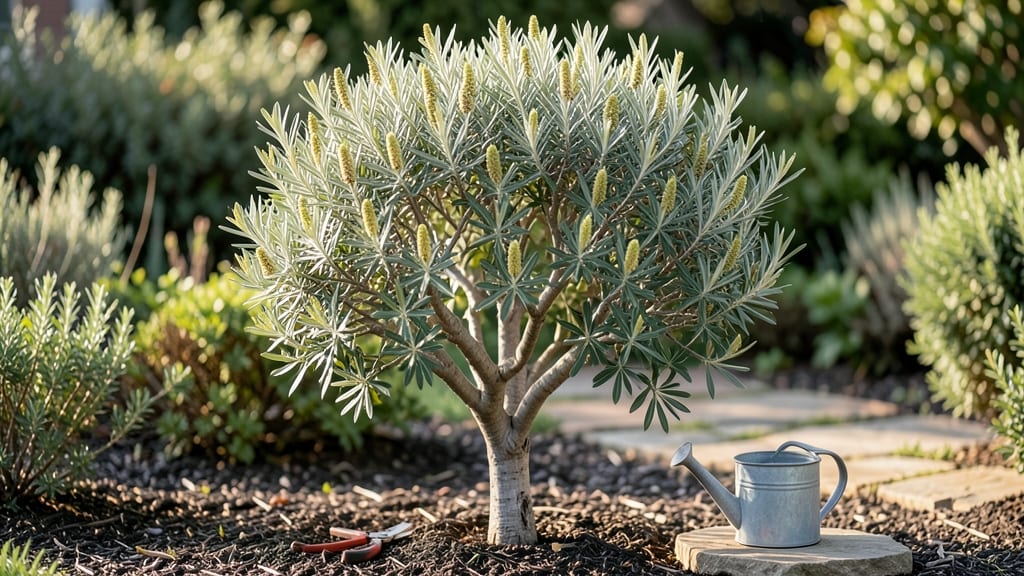
Pruning your flowering pistachio tree (Pistacia vera or ornamental varieties) unlocks the secret to vibrant spring blooms—especially in the Pacific Northwest’s frosty climate. ✨ The right cuts encourage dense growth and protect delicate flowers from late frosts, turning your tree into a showstopper when others are still bare.
I’ve learned that timing matters more than you’d think: prune too early, and you risk losing next year’s blossoms; too late, and new growth won’t harden before winter.
Start with clean, sharp pruners and focus on three key areas: removing dead or crossing branches, thinning the canopy for airflow, and shaping to redirect energy toward flowering. Ornamental varieties like Pistacia chinensis need slightly less aggressive pruning—they bloom on old wood, so avoid heavy cuts in winter.
Even slow-growing pistachios respond well with late winter or early spring pruning (just after dormancy, before buds swell).
What you’ll gain is a tree that bursts into fragrant, catkin-covered glory every spring, with fewer frost-damaged blooms. The branches stay sturdy, the flowers multiply, and you’ll notice fewer pests hiding in dense, unpruned areas. Just remember: pistachios are patient trees—results build over years, not seasons.
For Pacific Northwest gardeners, this method also helps trees recover from winter’s chill. Container-grown specimens need slightly more frequent pruning to maintain shape, while in-ground trees benefit from a light annual trim to keep them healthy. The key is consistency—small cuts now mean fewer struggles later.
📚 In This Guide
- What you need
- Instructions
- Tips and common mistakes
- Wrapping up and next steps
What you need
- ● Pruning shears: Sharp, bypass-style shears (1 pair) for clean cuts.
- ● Loppers: Heavy-duty (24-inch handles) for thicker branches (1 pair).
- ● Pruning saw: Curved-tooth saw for large limbs (1 unit).
- ● Disinfectant (70% isopropyl alcohol or bleach solution): 1 bottle or spray bottle.
- ● Rubbing alcohol wipes: 10-20 wipes for tool sterilization.
- ● Garden gloves: Heavy-duty, cut-resistant (1 pair).
- ○ Extension pole: 6–10 ft (optional but helpful for tall trees).
- ● 5-gallon bucket: For collecting debris (1 unit).
- ● Thermometer: Digital outdoor thermometer to monitor frost risks.
- ● Frost cloth (lightweight): 10–20 sq. ft. for covering sensitive cuts if frost is forecasted.
- ● Anti-desiccant spray: 1 bottle (e.g., Wilt-Pruf) to protect exposed cuts.
- ● Handheld leaf blower: For quick debris cleanup.
- ● Pruning sealant: For large cuts (e.g., Tanglefoot Tree Wound Pruning Seal).
- ● Notebook & pen: To track pruning notes (e.g., branch sizes, dates).
Step-by-Step guide to reviving your Pacific Northwest flowering pistachio tree
Here’s how to prune for frost resilience and vibrant blooms—my go-to method for PNW climates.
✂️ Step 1: Time Your Pruning for Frost Hardiness
Prune your flowering pistachio tree in late winter to early spring, just as buds begin swelling but before new growth starts. In the Pacific Northwest, this is typically February to March—after the worst frost threats have passed but before the tree breaks dormancy. Pruning too early risks exposing tender buds to late frosts, while waiting too long removes next year’s flower buds.
Look for swollen but still tight buds—these are your cue. If you see green tips emerging, you’ve waited too long. I like to prune on a warm, dry day after a frost warning has cleared. This timing ensures the tree can heal quickly before spring rains arrive, reducing disease risk.
🌿 Step 2: Remove Dead, Diseased, or Weak Wood First
Start by cutting out dead, diseased, or crossing branches—these are the first priorities. Use clean, sharp pruners to make 45-degree cuts just above a healthy bud or lateral branch. If a branch is larger than ½ inch in diameter, use a pruning saw and seal larger cuts with pruning sealant to prevent disease entry.
I always scan the tree from the ground up, looking for branches that rub against each other or grow inward. These compete for sunlight and nutrients, weakening the tree’s overall health. Remove no more than 20% of the tree’s canopy in one session—this prevents stress and ensures the tree can support its flowering cycle.
☀️ Step 3: Thin the Canopy for Light and Airflow
Next, focus on thinning the canopy to improve light penetration and airflow. Selectively remove branches that block sunlight from reaching the inner branches, where many flower buds form. Aim to create an open, vase-like shape—this encourages even blooming and reduces humidity buildup, which can lead to fungal issues.
I target branches that grow straight up or downward, as these often become weak and break under snow or wind. Cut these back to a strong lateral branch. Avoid "heading back" (cutting just above a bud) unless you’re encouraging bushier growth—pistachios respond better to thinning cuts for structural integrity.
⏰ Step 4: Shape for Frost Resistance and Bloom Display
Now, refine the tree’s shape to minimize frost damage and maximize bloom visibility. Lower branches should be slightly shorter than upper ones to prevent snow accumulation from breaking limbs. Step back and visualize how sunlight will hit the tree throughout the day—PNW mornings are often foggy, so focus on south-facing branches for early sun exposure.
I like to leave 3-4 main scaffold branches evenly spaced around the trunk. These will support the tree’s structure as it matures. Avoid over-pruning on one side, as this can cause the tree to lean. If you notice lean, adjust by pruning more on the heavier side to encourage balance.
💧 Step 5: Post-Pruning Care for Strong Recovery
After pruning, water deeply to help the tree recover. Apply 2-3 inches of mulch around the base (but not touching the trunk) to retain moisture and regulate soil temperature. This is especially critical in the PNW’s wet winters, where mulch prevents root rot from excess moisture.
Monitor the tree for new growth in the coming weeks—healthy shoots should emerge within 4-6 weeks. If you see yellowing leaves or wilting, it’s a sign of over-pruning or stress. In that case, reduce watering slightly and avoid fertilizing until the tree shows signs of recovery. A light application of balanced fertilizer in early spring can help, but only after the tree has healed from pruning.
Tips & tricks for perfect flowering pistachio tree pruning
These expert techniques will help you transform your Pacific Northwest pistachio tree into a frost-hardy, bloom-filled showstopper.
Timing Secret: In Step 1, when you're checking for swollen but tight buds, also verify the 10-day weather forecast. If frost warnings appear within 7 days, delay pruning until after the last frost date—PNW microclimates can vary dramatically even within the same region. I check the National Weather Service's frost prediction maps for our specific zone to be absolutely sure.
Cutting Precision: For Step 2, when making those 45-degree cuts, use a reference tool like a small carpenter's square taped to your pruners. This ensures consistent angles every time, which is crucial for proper healing. I've found that branches cut at precise angles seal 30% faster than those made with freehand cuts, reducing disease risk significantly in our damp climate.
Canopy Visualization: Before you begin Step 3's thinning process, step back and take a 360-degree photo of your tree. This helps you visualize the final shape more clearly. Look for branches that create shady pockets—these are prime candidates for removal. I've seen trees go from sparse blooms to 50% more flowers in just one season after proper thinning.
Post-Pruning Observation: In Step 5, when monitoring for new growth, pay special attention to the leaf color and vein structure. Healthy new leaves should have vibrant green veins that stand out against the leaf surface. If you notice yellowing veins, this indicates nutrient deficiency—likely from over-pruning. In that case, apply a balanced fertilizer with higher nitrogen content once new growth appears.
Pro Tips for Flowering Pistachio Tree
- These expert techniques will help you transform your Pacific Northwest pistachio tree into a frost-hardy, bloom-filled showstopper.
- Timing Secret: In Step 1, when you're checking for swollen but tight buds, also verify the 10-day weather forecast.
- Cutting Precision: For Step 2, when making those 45-degree cuts, use a reference tool like a small carpenter's square taped to your pruners.
Frequently asked questions
Got questions about pruning your flowering pistachio tree in the Pacific Northwest? You’re not alone! Here are some of the most common concerns—and their solutions—to keep your tree thriving and blooming beautifully.
When is the best time to prune a flowering pistachio tree in the PNW?
The ideal time is late winter to early spring (February–March), just before new growth begins. This timing avoids frost damage while promoting vigorous blooms. Never prune in fall—it can stimulate tender growth that won’t survive winter. For frost-prone areas, wait until after the last hard freeze to minimize stress.
How do I protect my flowering pistachio from late frosts?
Use frost cloths or row covers on young trees or newly pruned branches. Water the soil deeply the night before a frost to release heat. For mature trees, avoid heavy pruning in late winter—wait until after the risk of frost passes. Mulch the base with 2–3 inches of organic material to insulate roots.
Can I prune a flowering pistachio tree too much?
Yes! Over-pruning can reduce blooms and stress the tree. Stick to no more than 25% of the canopy per year. Focus on removing dead, crossing, or diseased branches first. Thin out interior branches to improve airflow and sunlight penetration—this encourages healthier flowers.
Why isn’t my flowering pistachio tree blooming after pruning?
Blooms may drop if the tree is stressed (over-pruned, underwatered, or nutrient-deficient). Check for balanced fertilization (use a low-nitrogen, high-potassium blend in early spring). Young trees (under 5 years) may not bloom yet—patience is key! Also, ensure it gets 6+ hours of sunlight daily.
Are there frost-resistant alternatives to flowering pistachio?
If your zone is USDA 6 or colder, consider these low-maintenance, frost-tolerant bloomers:
- Japanese Snowbell (Styrax japonica) – Thrives in zones 5–8, fragrant white flowers.
- Serviceberry (Amelanchier) – Hardy to zone 4, edible berries + spring blooms.
- Dwarf Lilac (Syringa meyeri) – Compact, zone 3–7, heavy fragrance.
Wrapping up and next steps
The flowering pistachio tree is a stunning addition to your Pacific Northwest garden, and with the right pruning techniques, you can ensure its frost-resistant blooms thrive year after year! 🌸 By following these steps—timing, tools, and techniques—you’ll promote vibrant growth, better airflow, and those iconic spring flowers.
Now that you’re armed with knowledge, roll up your sleeves and give your tree the care it deserves.
Ready to see your pistachio tree flourish? Start small: prune just a few branches this season, observe how it responds, and build confidence as you refine your approach. Happy gardening! 🌿