
Shrubs
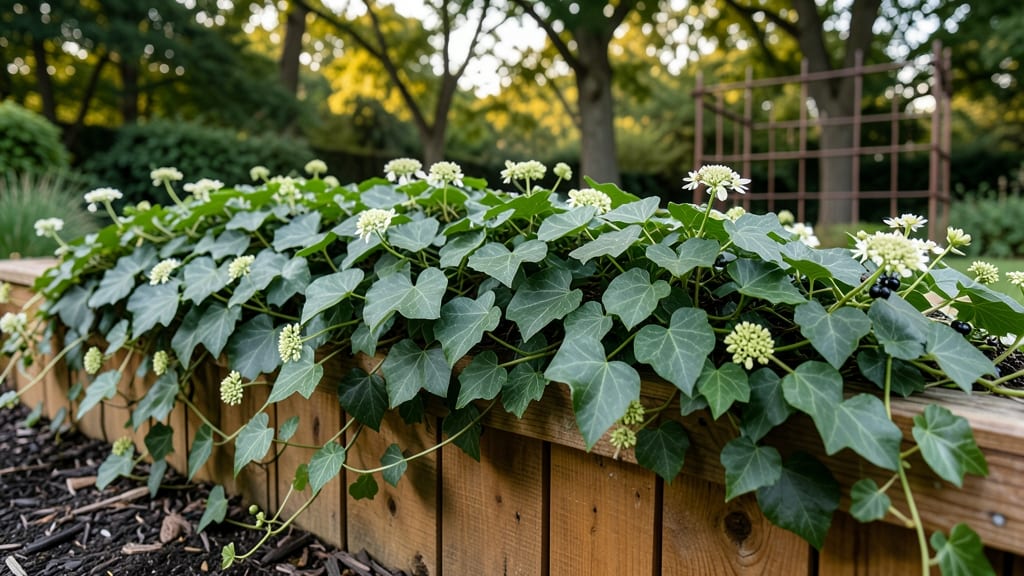
English ivy flowering isn’t just a seasonal surprise—it’s a reward for the right growing conditions and pruning timing, especially in the Pacific Northwest’s mild climate. 🌿 I’ve watched my mature plants burst into delicate yellow-green blooms from late winter through fall, proving that with patience and proper care, you can coax flowers year-round.
The key starts with mature plants—English ivy typically needs 3-5 years to flower, but once it does, the right light and soil make all the difference. Too much shade stunts blooms, while full sun can scorch the leaves, so morning sun with afternoon shade is ideal.
Well-draining, slightly acidic soil (pH 6.0-7.0) keeps roots happy, and consistent moisture prevents stress that can delay flowering.
Pruning makes the difference between occasional blooms and a lush, flowering display. Cut back leggy growth in early spring to encourage bushier, more productive growth, and trim spent flowers to prompt new blooms.
The result? A cascading vine covered in tiny, fragrant flowers that attract pollinators and add unexpected charm to your garden or indoor space.
Indoor ivy is trickier—lower light and dry air often mean fewer flowers, but with a grow light and occasional misting, you can still coax blooms. Whether outdoors or in, the secret is consistency: light, water, and pruning work together to turn your ivy into a flowering star.
Let’s get those blooms going!
📚 In This Guide
- What you need
- Instructions
- Tips and common mistakes
- Wrapping up and next steps
What you need
- ● Pruning shears: Bypass pruners (sharp, clean, and sterilized with rubbing alcohol to prevent disease). Quantity: 1 pair.
- ● Hand pruners: For smaller stems and precision cuts. Quantity: 1 pair.
- ● Gloves: Heavy-duty gardening gloves (to protect from thorns and sap). Quantity: 1 pair.
- ○ Loppers: For thicker stems (optional but helpful for mature ivy). Quantity: 1 pair.
- ● Garden kneeler/pad: For comfort during close-up work. Quantity: 1.
- ● Disinfectant spray: 70% isopropyl alcohol or a gardening-specific disinfectant (to sterilize tools between cuts).
- ● Compost or mulch: Organic matter (e.g., shredded bark or leaf mold) to enrich soil. Quantity: 2–3 gallons.
- ● Fertilizer: Balanced 10-10-10 or organic slow-release fertilizer (e.g., fish emulsion or compost tea) to boost flowering. Quantity: 1–2 lbs.
- ● Slow-release granules: For long-term soil health (e.g., Osmocote). Quantity: As per package instructions.
- ● Misting bottle: To keep foliage hydrated during dry spells (especially in PNW summers).
- ● Support structures: Trellises, cages, or stakes (if training ivy vertically for better airflow and flowering).
- ● Soil test kit: To check pH and nutrient levels (ideal pH for English ivy: 6.0–7.0).
- ● Access to partial shade to full sun (PNW’s mild climate allows flexibility, but flowering thrives with at least 3–4 hours of sunlight daily).
- ● Well-draining soil (amend heavy clay with perlite or sand if needed).
- ● Patience! English ivy flowers sparingly—focus on healthy growth first.
Step-by-Step pruning guide for encouraging English ivy blooms
Here's how to coax vibrant flowers from your Pacific Northwest ivy—no fancy tools needed.
🌿 Step 1: Identify and Select Healthy Growth Zones
Start by examining your ivy for new growth with 3-5 mature leaves—these are prime candidates for flowering. Look for stems with visible buds along the undersides of leaves; these will develop into blooms with proper care. Avoid pruning leggy, bare stems—they won't regenerate flowers.
Use sharp pruning shears to make cuts just above a leaf node where you see a bud or small bump. This encourages branching and flower development. I always prune on a dry morning to reduce disease risk from wet foliage. If you're working with mature plants, focus on outer growth first to maintain the plant's shape while stimulating new blooms.
✂️ Step 2: Strategic Pruning for Flower Stimulation
Cut back 1/3 of the longest stems in stages over 2-3 weeks—never remove more than this at once. This mimics natural seasonal dieback and signals the plant to redirect energy toward flowering. I like to prune in early spring and again after summer blooms fade to encourage a second flush.
For trailing varieties, trim the tips of vines to promote bushier growth. Remove any yellowed or damaged leaves immediately—they compete with flowers for nutrients. The key is balance: too little pruning means sparse blooms, but over-pruning stresses the plant and reduces flowering potential.
☀️ Step 3: Optimize Light and Nutrition After Pruning
Move your ivy to a location with bright, indirect light for at least 4-6 hours daily—Pacific Northwest climates often lack sufficient winter sunlight. A south-facing window or grow light setup works best. You'll notice new growth with darker green leaves within 2-3 weeks if light levels are adequate.
Feed with a balanced 10-10-10 fertilizer diluted to half-strength every 4-6 weeks during growing season. I skip winter feeding unless you're growing indoors with artificial light. Over-fertilizing leads to lush foliage but fewer flowers—always follow the "less is more" rule for flowering plants.
💧 Step 4: Maintain Consistent Watering Patterns
Water when the top 1-2 inches of soil feel dry—ivy is drought-tolerant once established but needs consistent moisture for blooming. Let the soil dry slightly between waterings to prevent root rot, which can kill flowering potential. I use room-temperature water to avoid shocking the roots.
Mist the foliage occasionally during dry spells, especially in winter when indoor heating reduces humidity. You'll see flower buds form along stems within 6-8 weeks of proper care. If buds appear but don't open, your plant may need more light or a cooler nighttime temperature (around 50-55°F) to trigger blooming.
Tips & tricks for encouraging English ivy blooms
Real talk: Getting your Pacific Northwest ivy to flower takes patience and precision. These are the details that make all the difference between sporadic blooms and year-round floral displays.
Pruning Precision: When you're making those cuts just above leaf nodes in Step 1, look for the tiny bumps that indicate dormant buds. These are your future flowers waiting to happen! I always make clean cuts at a 45-degree angle to prevent tearing, which can introduce pathogens. For mature plants, focus on the outer third of the plant first—this maintains the plant's structure while still stimulating new growth from the inside out.
Light Optimization: That 4-6 hours of bright, indirect light in Step 3 is non-negotiable for Pacific Northwest climates. If you notice your ivy growing toward one window but staying leggy, it's getting too much direct sun. Rotate your plant quarter-turns every few days to ensure even light exposure. For indoor growers, supplement with a grow light for 12-14 hours daily during winter months when natural light is scarce.
Fertilizer Strategy: The 10-10-10 fertilizer recommendation works, but here's what nobody tells you—reduce the nitrogen slightly in late summer to encourage flowering. I switch to a 5-10-10 blend for the final two feedings of the season. Remember, the goal is to balance lush foliage with floral development, not just big leaves. Always water thoroughly before fertilizing to prevent root burn.
Seasonal Timing: While the instructions mention spring and summer pruning, don't overlook late winter as your second chance. Prune again in February to capitalize on the plant's natural growth surge before spring. This two-pruning approach (February and June) gives you two bloom cycles per year. Just be gentle—new growth after winter pruning is more tender and recovers more slowly.
Pro Tips for English Ivy Flowering
- Real talk: Getting your Pacific Northwest ivy to flower takes patience and precision.
- Pruning Precision: When you're making those cuts just above leaf nodes in Step 1, look for the tiny bumps that indicate dormant buds.
- Light Optimization: That 4-6 hours of bright, indirect light in Step 3 is non-negotiable for Pacific Northwest climates.
Frequently asked questions
Got questions about English ivy flowering?
You’re not alone—this fast-growing vine can be tricky to manage, especially in the Pacific Northwest’s mild climate. Below, we’ve rounded up the most common queries to help you keep your ivy thriving and blooming (or pruned!) like a pro.
Does English ivy actually flower in the Pacific Northwest?
Yes! While English ivy (Hedera helix) is often grown for its lush foliage, it can produce small, fragrant yellow-green flowers in late summer to fall—especially in the PNW’s temperate zones. However, flowering is rare in younger plants or harsh pruning conditions. Focus on healthy growth first, and blooms may follow!
When is the best time to prune English ivy to encourage flowering?
Prune in early spring (before new growth) or late fall to promote flowering. Avoid heavy pruning in summer, as it stresses the plant. Trim back leggy stems by ⅓ to improve airflow and sunlight—key triggers for blooms. Pro tip: Deadhead spent flowers in fall to redirect energy into next year’s growth!
Why isn’t my English ivy flowering, even though it’s healthy?
English ivy flowers only on mature plants (3+ years old) and in ideal conditions: partial shade, well-draining soil, and consistent moisture. Over-fertilizing or root-bound pots can also stunt blooms. Check for pests (like spider mites) or fungal issues, which may divert energy away from flowering.
Can I prune English ivy to keep it flowering year-round in the PNW?
While the PNW’s mild winters allow for extended flowering, English ivy is not a year-round bloomer like some tropical plants. Light pruning in winter (to remove dead stems) can tidy it up, but expect peak blooms in late summer/fall. For continuous color, pair it with Hoya or Clematis, which flower in different seasons!
What’s a good alternative to English ivy if I want a flowering vine?
If you love vines but want more reliable blooms, try:
- Clematis – Thrives in PNW shade, blooms spring to fall.
- Star jasmine (Trachelospermum jasminoides) – Fragrant white flowers in summer.
- Honeysuckle – Fast-growing with sweet summer blooms.
Wrapping up and next steps
English ivy flowering isn’t just a seasonal spectacle—it’s a rewarding testament to your green thumb! 🌿 With the right pruning techniques, you can coax vibrant blooms year-round, especially in the Pacific Northwest’s mild climate. Whether you’re trimming for aesthetics or health, remember: patience and precision are your best tools.
Ready to turn your ivy into a flourishing showstopper? Start small—pick one section to prune this weekend, then expand your skills over time. Happy gardening, and may your ivy bloom with joy (and maybe a few butterflies)! 🐝✨