
Blooming
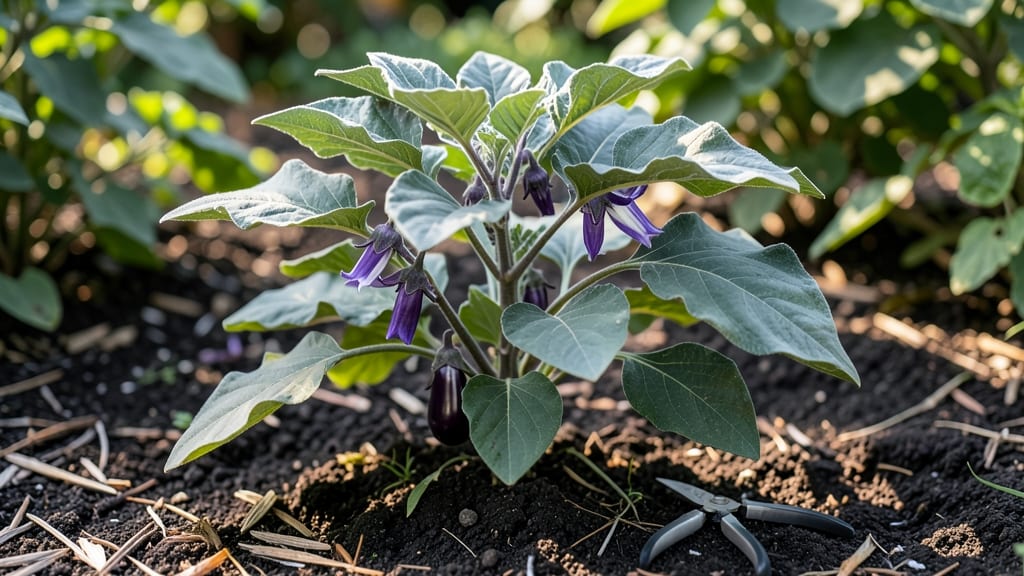
The moment your eggplant flowering stage begins is when the real magic happens—those delicate white blooms signal the start of your harvest. 🌸 I’ve watched mine transform from stubborn seedlings into prolific producers, and the key lies in understanding how to coax those flowers into setting fruit, especially in the Pacific Northwest’s cooler, damp climate.
The first sign? Flowers that open wide in the morning but close by afternoon, a built-in pollination cue that’s easy to miss if you’re not paying attention.
Here’s the thing—eggplants are finicky about pollination, and our region’s humidity can make fruit drop before it ripens. The solution? A little strategic pruning to focus energy on the most promising flowers and a gentle hand with those first blossoms.
I’ve learned that removing smaller side shoots early on gives the main stem the strength to support heavier yields, while saving a few flowers for pollinators ensures you’ll actually get those glossy purple fruits.
What you’ll end up with is a plant that doesn’t just flower but produces—plump, firm eggplants ready to harvest by late summer, even in our shorter growing season. The secret’s in the balance: prune to encourage airflow, but leave enough leaves to feed those developing fruits.
And when those first tiny eggplants appear? That’s when you know you’ve cracked the code.
This works just as well for container-grown plants as it does for in-ground beds, making it perfect for urban gardeners or anyone with limited space. Let’s get those flowers turning into harvests—without the frustration of empty blooms.
📚 In This Guide
- What you need
- Instructions
- Tips and common mistakes
- Wrapping up and next steps
What you need
- ● Eggplant plants (varieties like 'Black Beauty' or 'Ichiban'—choose disease-resistant types for PNW conditions).
- ● Pruning shears or sharp bypass pruners (sterilized with rubbing alcohol to prevent disease; 5-inch blades work best).
- ● Gloves (gardening gloves to protect from thorns and sap).
- ● Garden twine or soft plant ties (for supporting heavy eggplant branches; 3mm diameter, 10+ feet).
- ● Balanced fertilizer (10-10-10 or organic options like composted manure; 1 lb per 100 sq ft).
- ● Mulch (straw or wood chips to retain moisture and regulate soil temp; 2-3 inches thick).
- ● Watering can or hose with a gentle nozzle (avoid wetting leaves to prevent fungal issues).
- ● Spray bottle with neem oil or copper fungicide (for PNW-specific pests like aphids or powdery mildew; 1% concentration).
- ● Growth regulator (like Paclobutrazol to slow excessive flowering if needed; follow label instructions).
- ● Plant support stakes (bamboo or metal stakes, 4-5 feet tall for tall varieties).
- ● Soil moisture meter (to monitor PNW’s unpredictable dampness; battery-operated models work well).
- ● Reflective mulch or row covers (to deter pests and retain warmth in early/late seasons).
- ● Journal or app (to track pruning dates, blooms, and fruit development for future reference).
Step-by-Step pruning guide for eggplant flowering in the Pacific Northwest
Here's how to coax more blooms from your eggplants—even in our cool, damp climate.
🌿 Step 1: Identify and Prune Suckers Early
When your eggplant plants reach 12-18 inches tall, look for small shoots growing in the V-shaped junctions between the main stem and branches. These are suckers, and they steal energy from your fruit production. Use your fingers or clean pruning shears to pinch them off just above the junction—don't leave stubs, or they'll regrow.
I always check for suckers once a week during the flowering stage. In the Pacific Northwest, cooler temperatures slow growth, so suckers appear more slowly than in hot climates. Watch for tiny leaf clusters growing at odd angles—those are your targets. Pruning early ensures the plant focuses energy on developing larger, healthier flowers.
✂️ Step 2: Thin Overcrowded Branches for Better Airflow
Once flowers appear, examine the plant for branches growing too close together. Crowded growth traps moisture and invites fungal diseases like powdery mildew—especially problematic in our damp summers. Use your pruners to remove one branch per cluster, cutting back to a leaf node (the small bump where leaves attach).
Focus on the lower third of the plant first, since these branches are older and less productive. You'll know you're doing it right when you see more light reaching the inner stems and fewer yellowing leaves. In the PNW, this step is even more critical because humidity lingers longer after rain. After pruning, I always give the plant a light watering to help it recover.
☀️ Step 3: Encourage Flowering with Strategic Light Exposure
Eggplants need full sun (6+ hours daily) to set flowers consistently, but our Pacific Northwest summers often bring cloudy stretches. If you notice buds dropping off or flowers failing to open, it's time to intervene. Move your plants to the sunniest spot in your garden or yard, even if it means temporarily relocating them closer to a fence or wall that reflects light.
For container-grown eggplants, rotate pots quarter-turn daily so all sides get even light exposure. You'll see the difference within 5-7 days—flowers will stay open longer, and you'll notice fewer dropped buds. If your plants are still struggling, consider adding a small grow light for 2-3 hours in the evening during overcast periods. The goal is to mimic the longer daylight hours eggplants prefer for flowering.
💧 Step 4: Adjust Watering to Support Flower Development
During the flowering stage, consistent moisture is key—but too much water can cause buds to drop. Water deeply once a week, aiming for 1-1.5 inches of water per session. Check soil moisture by sticking your finger 1-2 inches deep—if it feels dry, that's your cue to water. In the Pacific Northwest, morning watering is ideal because it gives leaves time to dry before evening humidity sets in.
Here's the trick: reduce watering slightly when flowers appear. You'll know you're on the right track when the soil surface stays slightly dry between waterings. Overwatering stresses the plant and can lead to blossom end rot in developing fruit. If you see wilting leaves, it's usually a sign of underwatering—not overwatering. Eggplants are drought-tolerant once established, but they need steady moisture during flowering to set fruit.
Tips & tricks for eggplant flowering success in the Pacific Northwest
These garden-tested strategies will help your eggplants thrive despite our region's tricky climate.
Timing Tip: In Step 1, don't wait until suckers grow larger than your thumbnail—those tiny clusters are easier to remove and less stressful for the plant. I've found that in cooler PNW summers, suckers often appear more slowly, so checking every 5-7 days during flowering gives you the best chance to catch them early. This prevents the plant from wasting energy on non-productive growth.
Pruning Precision: When thinning crowded branches in Step 2, make your cuts just above a leaf node where new growth can emerge. I always use clean, sharp pruners to avoid tearing the stem, which creates entry points for diseases. For stubborn branches, I make a slight downward angle on the cut to help water run off. This simple technique reduces the risk of fungal issues that plague our damp summers.
Light Strategy: For Step 3, if you're using grow lights, position them about 6-12 inches above the plants and adjust based on leaf size. I've noticed that eggplants in containers benefit most from this approach during our frequent overcast days. The key is to mimic natural sunlight patterns - plants need that gradual light transition rather than sudden exposure. You'll see flowers lasting longer and fewer buds dropping when you get this right.
Watering Wisdom: In Step 4, the "slightly dry soil surface" test is more reliable than a strict schedule. I've learned that in our region, morning watering is non-negotiable - it gives leaves time to dry completely before evening humidity sets in. For container plants, I often water through the drainage holes to ensure even moisture distribution, which prevents the stress that causes buds to drop.
Pro Tips for Eggplant Flowering Stage
- These garden-tested strategies will help your eggplants thrive despite our region's tricky climate.
- Timing Tip: In Step 1, don't wait until suckers grow larger than your thumbnail—those tiny clusters are easier to remove and less stressful for the plant.
- Pruning Precision: When thinning crowded branches in Step 2, make your cuts just above a leaf node where new growth can emerge.
Frequently asked questions
How long does it take for eggplants to flower after transplanting?
Eggplants typically take 60–90 days to flower after transplanting, depending on the variety and growing conditions. In the PNW’s cooler climate, expect a slightly longer timeline (closer to 75–90 days). Start seeds indoors 8–10 weeks before your last frost date to give them a head start.
What should I do if my eggplant flowers but no fruit forms?
Missing fruit? It could be due to pollination issues, temperature stress, or over-pruning. Hand-pollinate flowers with a soft brush, ensure temps stay above 55°F (13°C), and avoid aggressive pruning during flowering. Pro tip: Eggplants self-pollinate, but PNW humidity can sometimes hinder it—give them a gentle shake in the morning!
Can eggplants flower in the Pacific Northwest’s short growing season?
Choose fast-maturing varieties like ‘Black Beauty’ or ‘Ichiban,’ and use row covers or cold frames to extend the season. Start seeds early (March indoors) and transplant after frost. In cooler zones (7–9), opt for dwarf varieties or grow in containers near sunny walls.
How do I know if my eggplant is flowering correctly?
Healthy flowering means plenty of white/purple blooms appearing at the leaf axils (where leaves meet stems). Each flower should have a small green eggplant forming behind it. If flowers drop without fruiting, check for underwatering, nutrient deficiencies (like calcium), or pests. A balanced 10-10-10 fertilizer can help!
What’s the best pruning method to encourage more flowers?
Prune only when necessary: Remove yellow leaves or suckers (side shoots) to redirect energy to flowering. In the PNW, light pruning (1–2 inches above a leaf node) is safer than aggressive cuts, which can stress plants. Stop pruning 4–6 weeks before your first frost to let fruit mature.
Still stumped? Drop your PNW-specific challenges in the comments—we’re happy to help!
Wrapping up and next steps
Mastering the eggplant flowering stage in the Pacific Northwest is all about patience, precision, and a little extra care!
With the right pruning tricks—like removing suckers, supporting vines, and ensuring proper pollination—you’ll be well on your way to a bountiful harvest. Don’t let a few missed blooms discourage you: every garden has its learning curve, and your green thumb will only grow stronger with each season.
Ready to put your new skills to the test? Start by monitoring your plants this week—look for those telltale signs of healthy blooms, and soon, you’ll be harvesting plump, purple eggplants straight from your PNW garden! 🌱💜