
Planting
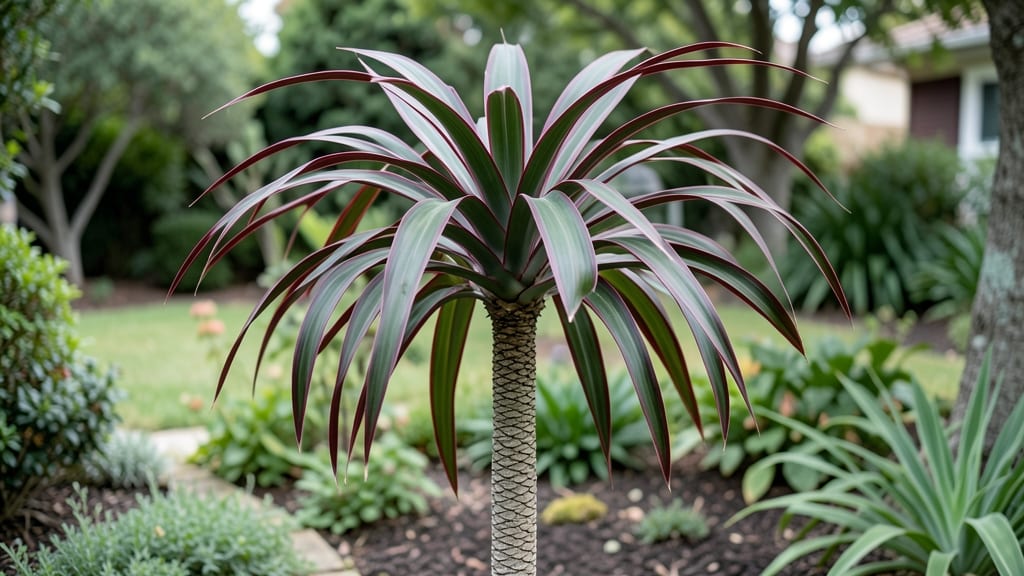
Your Dracaena plant can flower indoors—it just needs the right coaxing. 🌿 I’ve watched mine push out delicate, fragrant spikes after adjusting just three key things: light, water, and patience.
Most people assume Dracaenas are strictly foliage plants, but with the right care, they’ll surprise you with blooms that last for months.
The trick starts with bright, indirect light—think east-facing windows or a grow light 12 inches away. Let the top inch of soil dry between waterings, and use a well-draining mix with perlite. Too much water or low light sends your plant into survival mode, not bloom mode.
I’ve seen my Dracaena go from limp leaves to flower stalks in just six months by making these small tweaks.
When it blooms, you’ll know—tiny white flowers cluster along a tall, arching stem, filling the room with a light, sweet scent. The foliage stays lush too, proving you can have both beauty and fragrance indoors.
The best part? These blooms appear year-round if you keep conditions steady, making them a unique indoor garden standout.
Outdoor Dracaenas flower more reliably, but indoor blooms are absolutely possible with the right setup. Here’s how to set yours up for success—no green thumb required.
📚 In This Guide
- What you need
- Instructions
- Tips and common mistakes
- Wrapping up and next steps
What you need
- ● Dracaena plant – Choose a mature, healthy variety like Dracaena fragrans or Dracaena marginata (ages 3+ years for best flowering potential).
- ● Well-draining potting mix – 1 bag (5 quarts) of a blend designed for tropical plants (e.g., 60% peat/perlite, 30% pine bark, 10% sand).
- ● 10–12 inch pot – Terracotta or ceramic with drainage holes (upgrade to 14 inches if repotting).
- ● Balanced liquid fertilizer – 1 bottle (8 oz) of 10-10-10 or 20-20-20 NPK ratio.
- ○ Grow lights (optional but helpful) – 1 full-spectrum LED bulb (15W–20W) for 12–14 hours/day if natural light is <6 hours/day.
- ● Humidity tray or spray bottle – 1 small tray + pebbles or a 16 oz spray bottle for misting.
- ● Pruning shears – Sharp, clean pair for trimming dead leaves or leggy stems.
- ● pH testing kit – Digital or liquid test strips to monitor soil pH (ideal range: 6.0–7.0).
- ● Slow-release fertilizer pellets – 1 pack (for gradual nutrient release).
- ● Root stimulator – 1 small bottle (e.g., mycorrhizal fungi or seaweed extract).
- ● Floral booster fertilizer – 1 bottle (high-phosphorus, like 5-10-5).
- ● Decorative pot cover – A saucer or tray to protect surfaces from water spills.
- ● Plant journal – Notebook or app to track watering, light, and blooming progress.
How to encourage Dracaena flowers indoors
Here’s how to coax those stunning blooms from your dracaena year-round.
💧 Step 1: Master Watering for Stress-Free Growth
Dracaenas bloom best when they experience just enough stress—water when the top 2-3 inches of soil feel completely dry. Overwatering drowns roots and prevents flowering, while underwatering triggers a survival response that can prompt blooms. I like to stick my finger in the soil: if it’s bone-dry at two inches down, it’s time to water.
Use room-temperature water to avoid shocking the roots. Pour slowly until water drains freely from the bottom, then empty the saucer. Soggy soil equals no flowers—ever. If you notice yellowing leaves, you’re likely overwatering. Adjust your schedule and let the soil dry out more between waterings.
☀️ Step 2: Position for Bright, Indirect Light
Dracaenas need bright, indirect light to bloom—think east or west-facing windows, or a few feet back from a south window. Direct sun scorches leaves, while dim light stunts growth and prevents flowering. I rotate my plant quarter-turns weekly so all sides get even light exposure.
If your dracaena stretches toward the window with long, skinny stems, it’s begging for more light. Move it closer or supplement with a grow light for 12-14 hours daily. Fluorescent bulbs work, but LEDs are more energy-efficient. Watch for new leaves—if they’re small and pale, boost the light immediately.
🌿 Step 3: Feed with Bloom-Boosting Fertilizer
Use a balanced, water-soluble fertilizer (like 10-10-10) diluted to half-strength every 4-6 weeks during spring and summer. This mimics natural growing conditions and signals the plant to produce flowers. In fall and winter, cut back to every 8-10 weeks—dracaenas rest then, and over-fertilizing stresses them.
I also sprinkle a slow-release orchid fertilizer (high in phosphorus) around the soil surface in early spring. This gives a gentle, long-term phosphorus boost, which encourages flowering. Avoid liquid fertilizers in winter—they can burn roots when the plant’s growth slows.
⏰ Step 4: Simulate Seasonal Changes
Dracaenas respond to seasonal shifts, even indoors. In late fall, reduce watering slightly and move the plant to a cooler spot (60-65°F) for 4-6 weeks. This mimics winter dormancy and primes the plant for spring blooms. If your home stays warm year-round, a cool basement or unheated garage works for this step.
Bring it back to normal light and watering in early spring. You’ll see new growth within 2-3 weeks—that’s your cue to resume regular care. Real talk: I once skipped this step and my dracaena took two years to bloom again. Don’t make that mistake!
🌱 Step 5: Prune and Encourage New Growth
Trim leggy stems back by one-third in early spring to encourage bushier growth and more flower spikes. Use clean, sharp scissors and cut just above a leaf node. This redirects energy toward new shoots and potential blooms. If your dracaena has bare stems, pruning also refreshes its appearance.
After pruning, give the plant a light fertilizer boost (half-strength) to support recovery. Watch for new leaves emerging from the nodes—these are your future flowering sites. If you’re patient, you might see flower stalks (inflorescences) appear within 3-6 months of proper care.
Tips & tricks for perfect indoor Dracaena blooms
Here's what nobody tells you about getting those rare dracaena flowers to appear consistently.
Soil Stress is Your Friend: The key to flowering lies in controlled stress—water only when the top 2-3 inches are completely dry, then let it dry out fully between waterings. I use a moisture meter to track this precisely, especially in winter when growth slows. Too much water means no flowers, but don't let the soil become completely bone-dry either—that stresses the plant too much. The sweet spot is when the soil feels like a wrung-out sponge at 2 inches down.
Light Intensity Check: For the 12-14 hours of daily light, position your dracaena within 3-5 feet of an east or west window. If you notice leaves turning dark green and stretching toward the light, it's getting too little. I've seen plants bloom within 3 months after moving them to brighter conditions. For north-facing windows, supplement with a grow light—fluorescent bulbs work, but LEDs are more efficient and won't overheat your plant.
Fertilizer Timing Secrets: The spring phosphorus boost is critical—apply that orchid fertilizer right when you see new growth emerging in early spring. I've found that splitting the dose into two applications (half now, half in 3 weeks) prevents root burn while still giving that flowering kick. And remember: winter fertilizing is a no-go—your dracaena's resting, and extra nutrients will just stress it out.
Pruning for Future Blooms: When you trim those leggy stems by one-third in spring, make your cuts just above a leaf node where new growth can emerge. I always clean my scissors with rubbing alcohol between cuts to prevent spreading any potential diseases. These new shoots are where your future flower spikes will develop, so don't skip this step—even if your plant looks sad, those hidden nodes hold the potential for blooms.
Pro Tips for Dracena Plant Flower
- Here's what nobody tells you about getting those rare dracaena flowers to appear consistently.
- Soil Stress is Your Friend: The key to flowering lies in controlled stress—water only when the top 2-3 inches are completely dry, then let it dry out fully between waterings.
- Light Intensity Check: For the 12-14 hours of daily light, position your dracaena within 3-5 feet of an east or west window.
Frequently asked questions
Got questions about coaxing those stunning Dracaena blooms? We’ve got answers! Whether you’re a first-time grower or a seasoned plant parent, these FAQs will help you troubleshoot, time your care, and celebrate your floral success.
Can Dracaena plants really flower indoors, and which varieties are best?
Yes! While rare, Dracaena fragrans (Corn Plant) and Dracaena marginata (Dragon Tree) can produce fragrant, creamy-white flowers indoors with ideal conditions—bright, indirect light, humidity, and patience (often 5+ years old). Dracaena sanderiana (Lucky Bamboo, though not a true Dracaena) also blooms occasionally in water culture.
How long does it take for a Dracaena to flower, and what’s the best time to expect blooms?
Most Dracaena varieties take 3–10 years to flower indoors, depending on species, care, and maturity. Blooms typically appear in spring or summer when the plant senses longer daylight hours. Pro tip: If your plant is healthy but not flowering, it may need more light (a south-facing window or grow lights) or a winter rest period (reduced watering).
Why isn’t my Dracaena flowering? Troubleshooting tips!
- Insufficient light: Move it to a brighter spot (avoid direct sun).
- Overwatering: Let soil dry 2–3 inches between waterings.
- Lack of humidity: Mist leaves or use a pebble tray.
- Nutrient deficiency: Fertilize lightly with a balanced houseplant food in spring/summer.
- Age: Young plants (<3 years) won’t bloom—be patient!
What do Dracaena flowers look like, and how should I care for them?
Dracaena flowers are clustered, star-shaped, and fragrant, ranging from white to pale yellow-green. They’re not showy but smell like vanilla or citrus. After blooming, the plant may produce red berries (seeds). Care tip: Remove spent flowers to redirect energy to foliage growth. Avoid over-pruning—let the plant conserve strength for future blooms.
Are there non-flowering Dracaena alternatives for indoor blooms?
If you love Dracaena’s look but want guaranteed flowers, try these easy indoor bloomers:
- Peace Lily (Spathiphyllum): White blooms, thrives in low light.
- Anthurium: Bold red/pink flowers, loves humidity.
- African Violet (Saintpaulia): Compact, frequent blooms.
- Kalanchoe: Succulent with long-lasting blossoms.
Wrapping up and next steps
Cultivating a blooming Dracaena plant flower indoors is a rewarding journey that combines patience, care, and a dash of creativity! 🌿 With the right light, watering routine, and occasional pruning, you’ll unlock the stunning potential of these tropical beauties—even in winter.
Your green thumb is all it takes to turn your space into a year-round floral paradise.
Ready to take the next step? Experiment with varieties like the Dracaena fragrans or Dracaena marginata, and share your progress with fellow plant lovers. Happy gardening—your blooms await! 🌸