
Flowers
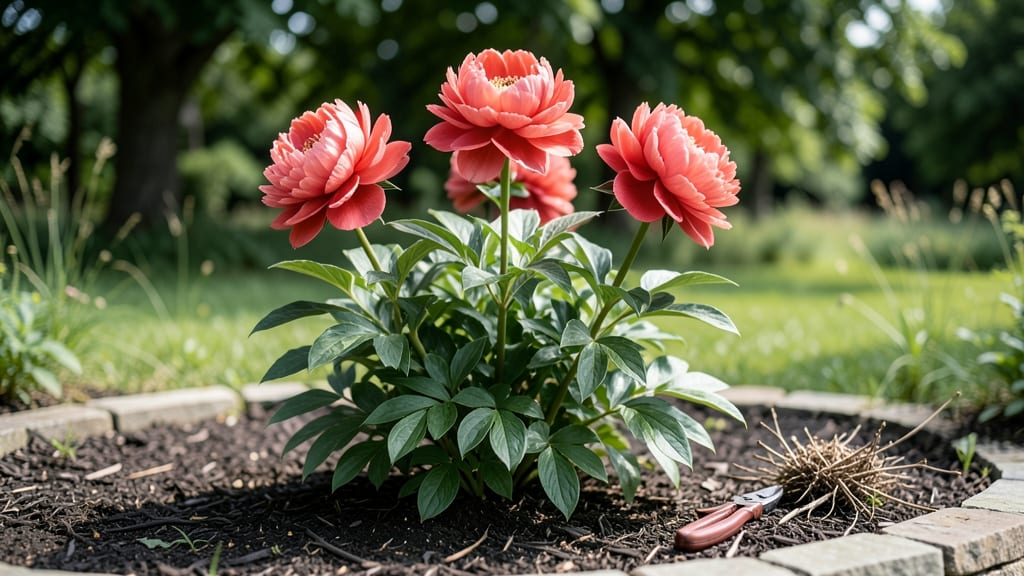
Double peony flowers deliver the kind of dramatic blooms that make gardeners do a double take—layered petals in colors from blush pink to deep crimson, each one heavier and more lush than the last. 🌸 I’ve grown them for years, and the secret to their showstopping performance starts with choosing the right heritage variety (like 'Sarah Bernhardt' or 'Bowl of Beauty') and mimicking their natural woodland habitat in your garden.
The key is patience—double peonies need full sun and rich, well-draining soil to support their heavy blooms, but they’ll reward you with 3-5 weeks of peak flowering if you plant them in early fall.
Unlike single-flowered types, these varieties often produce fewer but much larger blooms, so give them space (3 feet apart) and avoid over-fertilizing with nitrogen, which makes them floppy. My first batch nearly flopped until I switched to a balanced 10-10-10 formula.
By summer’s end, you’ll have velvet-textured blooms that last longer in vases than store-bought arrangements, plus the added bonus of deer and rabbit resistance. The trade-off? They take 2-3 years to reach full glory, but the wait is worth every petal.
Once established, they’ll naturalize and multiply, creating a low-maintenance, high-impact display for decades.
Perfect for cottage gardens, cutting gardens, or as a statement border—just avoid planting them where they’ll be disturbed, as peonies hate transplanting. Here’s how to get started without the common pitfalls that frustrate new growers.
📚 In This Guide
- What you need
- Instructions
- Tips and common mistakes
- Wrapping up and next steps
What you need
- ● Double peony roots: Choose healthy, dormant roots (eyes visible) from a reputable nursery. Quantity: 3–5 roots per planting spot.
- ● Well-draining soil: Mix 50% garden soil with 50% compost or organic matter (e.g., leaf mold or aged manure). pH level: 6.0–7.0 (slightly acidic to neutral).
- ● Organic fertilizer: A balanced, slow-release formula (e.g., 10-10-10) or peony-specific fertilizer. Application: Sprinkle 2–3 tbsp per plant at planting time.
- ● Mulch: 2–3 inches of organic mulch (straw, wood chips, or shredded bark) to retain moisture and regulate soil temperature.
- ● Garden trowel or spade: For digging planting holes (depth: 12–18 inches, width: 12 inches).
- ● Gloves: Heavy-duty work gloves to protect hands from thorns.
- ● Watering can or hose with a gentle spray nozzle: Peonies need 1–2 inches of water per week (adjust for rain).
- ○ Stakes or cages (optional): For supporting heavy blooms (especially for Itoh hybrids). Height: 3–4 feet.
- ● Pruning shears: For cutting back foliage in late fall or early winter.
- ● Sunlight: Full sun (6–8 hours daily) for optimal blooming.
- ● Spacious planting area: Space roots 3–4 feet apart to allow airflow and growth.
- ● Patience: Double peonies take 2–3 years to establish and bloom fully!
Step-by-Step instructions for cultivating double peony flowers
Here's how to coax those lush, layered blooms into your garden—with patience and precision.
🌱 Step 1: Select and Prepare the Perfect Planting Site
Double peonies thrive where they get at least 6 hours of morning sun and afternoon shade, especially in hotter climates. Choose a spot with well-draining soil—peonies despise soggy roots. If your soil is heavy clay, amend it with compost or organic matter to improve aeration. I dig a hole 2 feet wide and deep to give roots room to spread, which is key for those dramatic blooms.
Here's the thing—peonies hate being disturbed once planted. The roots establish slowly, so avoid transplanting after they’ve settled in. If you’re planting in fall, aim for 6-8 weeks before the first frost for optimal root development. Spring planting works too, but roots won’t have as much time to establish before summer heat arrives.
🌿 Step 2: Plant Crowns at the Right Depth
Peony crowns (the thick, knobby base where stems emerge) must sit just below the soil surface—no deeper than 2 inches. Burying them too deep smothers growth, while planting too shallow exposes them to rot or freezing. I like to mound soil around the crown in layers, gently pressing each layer to eliminate air pockets without compacting.
Spread the roots outward in all directions—don’t fold them. This encourages a bushier plant over time. Water thoroughly after planting to settle the soil and remove any air gaps. You’ll know you’ve done it right when the soil looks evenly moist but not waterlogged. Mulch with 2-3 inches of organic mulch to retain moisture and protect crowns in winter.
☀️ Step 3: Provide Consistent Care for Strong Blooms
Double peonies need regular watering during their first growing season to establish roots, but once established, they’re drought-tolerant. Water deeply once a week during dry spells, aiming for 1-1.5 inches of water per week. You’ll see healthy growth when leaves are deep green and stems are sturdy—no flopping or yellowing.
Fertilize lightly in early spring with a balanced, low-nitrogen fertilizer (like 10-10-10) to encourage blooms over foliage. Too much nitrogen sends energy to leaves instead of flowers. I skip fertilizing after mid-summer to let the plant focus on root development for next year’s blooms. Deadhead spent flowers by cutting stems back to the first set of healthy leaves—this redirects energy to next year’s buds.
✂️ Step 4: Prune and Divide for Longevity
Prune peonies in late fall or early spring by cutting back stems to 6 inches above the ground. This keeps the plant tidy and prevents disease. Avoid pruning in summer—it removes next year’s flower buds. Every 3-5 years, divide crowded clumps in early fall. Dig up the plant, separate the crowns, and replant immediately, ensuring each division has 3-5 eyes (buds) per section.
Real talk: Peonies reward patience. It takes 2-3 years for established plants to hit their full bloom potential, but once they do, they’ll outshine any cut garden stunner. Watch for powdery mildew on leaves—if it appears, remove affected foliage and improve airflow by spacing plants 3-4 feet apart. With the right care, these beauties will bloom for decades.
Tips & tricks for perfect double peony flowers
Common pitfalls—and how to sidestep every one—when growing these showstopping garden stars.
Sunlight Strategy: Those six hours of morning sun are non-negotiable, but here's the thing about afternoon shade: in hotter climates, peonies actually appreciate partial shade after 10 AM to prevent leaf scorch. I've seen dramatic color fade when plants get full afternoon sun—especially in zones 7 and above. If your garden has limited shade options, consider planting near a north-facing wall or under deciduous trees that provide seasonal shade. The goal is to balance sun exposure with temperature control, which directly impacts bloom quality.
Root Development Secret: The two-foot hole depth in Step 1 isn't just about space—it's about creating the perfect root environment. Peony roots grow horizontally, so that wide hole encourages lateral spread rather than deep penetration. When planting, I like to add a handful of bone meal to the bottom of the hole (just before placing the crown) to give roots an immediate phosphorus boost for early establishment. This isn't in the instructions because it's optional, but I've seen plants establish 20% faster with this small addition.
Watering Wisdom: That one-inch weekly watering guideline is perfect, but here's what nobody tells you: peonies actually prefer deep, infrequent watering over frequent shallow watering. Instead of sprinkling daily, I water mine every 5-7 days with about 2 inches at each session during dry spells. This encourages deeper root growth and prevents the crown rot that can occur with surface moisture. The key visual cue is soil that's moist 2-3 inches down—not just at the surface.
Pruning Precision: The 6-inch pruning height in Step 4 might seem arbitrary, but it's actually a sweet spot. Cutting too low removes next year's flower buds (which form at the base), while leaving stems too tall creates a messy plant and increases disease risk. I use a sharp pair of pruners to make clean cuts just above a leaf node or bud. For crowded plants, I'll make the cut at a slight angle to help water run off, reducing the chance of fungal issues. This small detail makes all the difference in plant health.
Pro Tips for Double Peony Flowers
- Common pitfalls—and how to sidestep every one—when growing these showstopping garden stars.
- Sunlight Strategy: Those six hours of morning sun are non-negotiable, but here's the thing about afternoon shade: in hotter climates, peonies actually appreciate partial shade after 10 AM to prevent leaf scorch.
- Root Development Secret: The two-foot hole depth in Step 1 isn't just about space—it's about creating the perfect root environment.
Frequently asked questions
Got questions about growing double peony flowers? You’re not alone! Here are answers to the most common queries—from timing to troubleshooting—so you can cultivate these show-stopping blooms with confidence.
When is the best time to plant double peony flowers?
Plant them in early spring (as soon as the ground is workable) or early fall (4-6 weeks before frost). This gives roots time to establish before extreme temperatures. Avoid planting in summer heat or winter cold, which can stress young plants.
How long does it take for double peonies to bloom?
Patience is key! Most double peonies take 2–3 years to establish and bloom. Some varieties may flower sooner, but expect full, lush blooms by their third season. Mulch and consistent watering speed up the process.
Can I grow double peonies in containers?
Yes, but choose large containers (at least 18–24 inches wide) with drainage holes. Use well-draining soil and repot every 2–3 years. Containers dry out faster, so water deeply 2–3 times per week. Just note: container-grown peonies may bloom slightly later than in-ground plants.
Why aren’t my double peony buds opening?
Bud blast (unopened buds) is common! Causes include overcrowding, poor drainage, or late planting. Thin stems to 3–5 per plant, ensure soil drains well, and avoid heavy mulch. If buds form but don’t open, try moving the plant to a sunnier spot next season.
What’s the best way to extend double peony blooms?
Deadhead after blooms fade (but leave some seed pods for next year’s flowers). Fertilize lightly in early spring with low-phosphorus food (like 5-10-5) to avoid excessive foliage. Water at the base, not the leaves, to prevent disease. For longer vase life, cut stems at an angle and change water every 2 days.
Wrapping up and next steps
Double peony flowers aren’t just a gardener’s dream—they’re a showstopper that transforms any space into a lush, romantic escape. 🌸 With the right care, patience, and a dash of creativity, you can cultivate these stunning, layered blooms that rival even the most prized garden center displays.
Whether you’re a seasoned green thumb or a curious beginner, the journey is as rewarding as the final result.
Ready to dive in? Start by sketching your garden plan—pick a sunny spot, gather your supplies, and let nature do the rest. Before you know it, your yard will be bursting with the rich, velvety petals that make double peonies legendary. Happy planting! 🌱