
Flowers
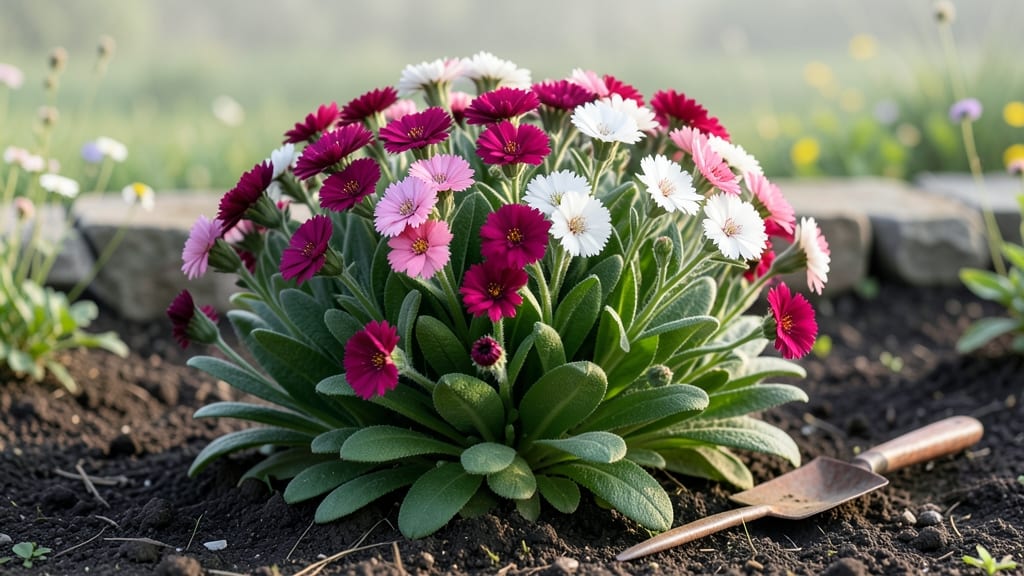
Caring for dianthus flowers means you’ll get bold, fragrant blooms that last from spring through fall—and sometimes even winter—with almost no fuss. 🌸 I’ve grown these tough little charmers for years, and their secret is simple: they thrive on neglect almost as much as they do on attention.
The key is matching their natural preferences—dry soil, full sun, and occasional pruning—to your garden’s conditions.
Most people overwater dianthus, which leads to root rot and floppy stems. Instead, let the soil dry completely between waterings, and you’ll see sturdy plants with vibrant, long-lasting flowers. They love well-draining soil, so if your garden holds moisture, add sand or grit to improve airflow.
Once established, they’re drought-tolerant and handle heat like champions, making them perfect for hot, sunny spots.
Pruning is where the magic happens—snip back spent blooms to encourage more flowers, and cut back the entire plant by half in early spring. This keeps them compact and bushy, not leggy.
With the right care, your dianthus will reward you with clusters of pink, red, or white blooms that smell like a summer garden, even in cooler months.
They’re hardy in zones 3-9, so winter care is minimal: just add a light mulch in colder climates, and they’ll bounce back in spring. Whether you’re a beginner or a seasoned gardener, dianthus are the easiest, most rewarding flowers to grow. Let’s get yours thriving!
📚 In This Guide
- What you need
- Instructions
- Tips and common mistakes
- Wrapping up and next steps
What you need
- ● Dianthus plants: Choose between perennial (hardy varieties like Dianthus barbatus or Dianthus chinensis) or annual types. Start with 3–5 plants for a small garden bed or 10+ for a full border.
- ● Well-draining potting mix: A blend of 50% garden soil, 30% perlite or coarse sand, and 20% compost (1–2 bags, depending on pot size). Avoid heavy clay soil—dianthus hates soggy roots!
- ● Containers or garden bed: For potted dianthus: 6–8" diameter pots with drainage holes (1–2 per plant). Terracotta or ceramic works best.
- ● For in-ground planting: A sunny spot with at least 6 hours of sunlight daily and loose, rocky soil (amend with gravel if needed).
- ● Fertilizer: Balanced, slow-release granular fertilizer (e.g., 10-10-10 or 20-20-20). Use 1 tbsp per plant at planting time and again mid-season.
- ○ Optional: Liquid bloom booster (like fish emulsion) for extra color—apply every 4–6 weeks during growing season.
- ● Mulch: 1–2 inches of gravel or pebbles (dianthus thrives in poor soil—mulch mimics their natural rocky habitat!). Avoid organic mulch like wood chips.
- ● Garden trowel or hand shovel (for planting/transplanting).
- ● Pruning shears (sterilized with rubbing alcohol to prevent disease).
- ● Watering can or hose with a gentle spray nozzle (dianthus prefers bottom watering to avoid wet foliage).
- ○ Gloves (optional but handy for handling thorny varieties like Dianthus gratianopolitanus).
- ○ pH test kit (optional but helpful—dianthus loves alkaline soil (pH 6.5–7.5)).
- ● Sunlight: Full sun (6+ hours/day) is a must—dianthus wilts in shade.
- ● Hardiness zones: Most dianthus thrive in Zones 3–9. Cold-hardy perennials may need winter mulch in Zone 3–4.
- ● Watering: Drought-tolerant once established, but keep soil lightly moist (not soggy) for the first 2–3 weeks after planting.
- ● Pests to watch for: Earwigs, slugs, and aphids (use neem oil or diatomaceous earth if spotted).
Step-by-step guide to nurturing dianthus through every season
Here's how to keep these fragrant, clump-forming beauties blooming reliably with just a few key adjustments.
🌱 Step 1: Plant in Well-Draining Soil with Full Sun Exposure
Dianthus thrives in full sun (6+ hours daily) and soil that drains like a sieve. Amend your garden beds with coarse sand or perlite if the native soil feels heavy or stays damp. I always dig in a 2-inch layer of gritty material before planting—this prevents the classic root rot that chokes these Mediterranean natives.
Space plants 12-18 inches apart to allow air circulation, which is critical for preventing powdery mildew. The roots should sit just below soil level—burying too deep encourages stem rot. Water thoroughly after planting to settle the soil around the roots, then let the top inch dry out before watering again.
☀️ Step 2: Water Deeply but Infrequently
Dianthus despises soggy feet. Water deeply once a week (or when the top 2 inches of soil feel dry), soaking the root zone until water runs out the drainage holes. In summer heat, you might need to water every 5-6 days, but always check the soil first—overwatering is the fastest way to kill these tough perennials.
Here's the trick: water in the morning so foliage dries quickly. Wet leaves at night invite fungal diseases. You'll know your watering is right when the plants look plump and the leaves stay crisp rather than wilting or yellowing at the edges.
✂️ Step 3: Deadhead and Prune for Continuous Blooms
Pinch off spent blooms immediately after flowering to encourage more flowers. I use clean fingers or small pruners to snip just above the next set of leaves—this redirects energy from seed production back into new blooms. Regular deadheading keeps your plants flowering from early summer through fall.
After the first hard frost, cut back the entire plant to 2-3 inches above the ground. This prevents flopping and encourages fresh growth in spring. Mulch lightly with 1 inch of gravel or coarse sand to protect roots during winter—dianthus handles cold beautifully but hates wet soil when dormant.
🌿 Step 4: Fertilize Lightly and Only in Spring
Dianthus isn't a heavy feeder. In early spring, apply a balanced 10-10-10 fertilizer at half strength (about ¼ cup per 10 square feet). Work it into the top inch of soil around the base. Too much nitrogen produces lush foliage but fewer flowers—that's why I skip fertilizer after midsummer.
For established plants, a handful of compost spread around the base in spring provides just enough nutrients. The key is consistency: feed lightly in spring, then let the plant focus on blooming through summer and surviving winter.
⏰ Step 5: Protect from Pests and Disease Naturally
Watch for aphids and spider mites, which love the tender new growth. I spray plants with a neem oil solution (1 tablespoon per gallon of water) at the first sign of pests. This organic treatment disrupts their life cycle without harming pollinators. Apply in the evening when bees aren't active.
For powdery mildew prevention, space plants properly and avoid overhead watering. If you see white powder on leaves, prune affected areas immediately and treat with a baking soda spray (1 teaspoon baking soda + 1 quart water + a drop of dish soap). Dianthus is naturally resistant once given proper airflow.
Tips & tricks for perfect dianthus flower care
These simple adjustments will transform your garden into a fragrant haven with minimal effort.
Soil Preparation Secret: When amending your garden beds with the 2-inch layer of coarse sand or perlite, mix it thoroughly into the top 4-6 inches of soil—not just the surface. This creates a deep drainage zone that mimics the Mediterranean conditions dianthus loves. I've seen plants thrive in heavy clay after this adjustment, while others with only surface sand struggled with root rot. The key is breaking up compaction at depth.
Watering Technique: The "top 2 inches dry" test is your best friend, but here's how to refine it: stick your finger into the soil about 2 inches deep—if it feels dry and crumbly, it's time to water. If it's still damp, wait another day. In containers, check the soil near the edges where it dries fastest. Remember, dianthus roots are shallow, so we're focusing on the top 4-6 inches of soil profile where they're most active.
Deadheading Discipline: I've learned the hard way that skipping deadheading—even just a few blooms—can reduce your fall flowering by 30%. Make it a habit to check your plants every 3-4 days during peak bloom season. Use clean pruners or your fingers to remove spent blooms right down to the next set of leaves. This redirecting of energy is what keeps your plants flowering continuously from early summer through frost.
Winter Protection: That 1-inch layer of gravel or coarse sand mulch is crucial, but here's the trick: rake it away from the base of the stems to prevent rot. Leave a 1-inch gap around each plant where the stems meet the soil. This small adjustment prevents the classic winter rot that can kill your plants before spring. Also, avoid piling mulch against the stems—it traps moisture and encourages fungal growth.
Pro Tips for Dianthus Flower Care
- These simple adjustments will transform your garden into a fragrant haven with minimal effort.
- Soil Preparation Secret: When amending your garden beds with the 2-inch layer of coarse sand or perlite, mix it thoroughly into the top 4-6 inches of soil—not just the surface.
- Watering Technique: The "top 2 inches dry" test is your best friend, but here's how to refine it: stick your finger into the soil about 2 inches deep—if it feels dry and crumbly, it's time to water.
Frequently asked questions
Got questions about keeping your dianthus flowers happy and blooming? You’re not alone! Here are answers to the most common concerns—so you can enjoy their vibrant beauty with confidence.
How often should I water my dianthus?
Water your dianthus only when the top inch of soil feels dry—typically every 5–7 days, depending on your climate. Overwatering is the #1 killer! These drought-tolerant beauties thrive with well-draining soil and hate soggy roots. In hot summers, morning watering prevents fungal issues.
Can dianthus survive winter outdoors?
Many dianthus varieties (like Dianthus barbatus) are hardy to USDA Zones 3–9 and tolerate light frost. For extra protection, mulch the base with 2–3 inches of straw or shredded leaves after the first freeze. Evergreen types (e.g., Dianthus gratianopolitanus) may need winter shade in harsh climates.
Why are my dianthus leaves turning yellow?
Yellowing leaves usually signal overwatering or poor drainage. Check the roots—if they’re mushy, repot into a mix with perlite or sand. Yellow edges (not whole leaves) often mean nutrient deficiency; feed with a balanced fertilizer (10-10-10) in spring. Pests like aphids can also cause stress—spray with soapy water if needed.
Are there low-maintenance dianthus alternatives?
If dianthus feels finicky, try these equally stunning, low-effort picks:
- Sedum (‘Autumn Joy’): Drought-proof, thrives in heat, and blooms late summer.
- Lavender: Fragrant, pest-resistant, and loves poor soil.
- Ice Plant (Delosperma): Succulent-like, spreads easily, and blooms year-round in warm climates.
How do I keep dianthus blooming all season?
Deadhead spent blooms regularly to encourage more flowers. Feed with low-nitrogen fertilizer (5-10-10) every 4–6 weeks in growing season, and prune leggy stems after blooming. For continuous color, plant early-, mid-, and late-season varieties together. Bonus: Dianthus loves full sun (6+ hours/day)—place them where they’ll soak up rays!
Wrapping up and next steps
Caring for your dianthus flowers doesn’t have to be complicated—just follow the basics of sunlight, soil, and watering, and you’ll enjoy their vibrant blooms year after year! 🌸 With a little patience and these simple steps, you’ll create a thriving garden that’s both beautiful and low-maintenance.
Ready to take the next step? Grab your gardening gloves and start planting today!
For extra inspiration, explore seasonal care tips or creative ways to display your dianthus—your garden will thank you! 🌿