
Pests
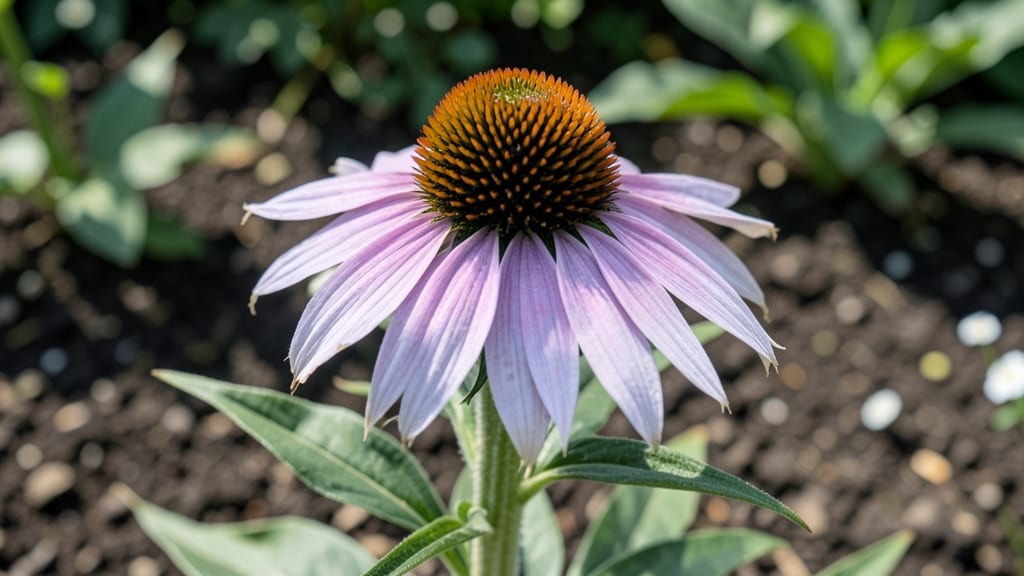
When deer eat coneflowers, it feels like they’re picking the most stubborn weeds to munch first—except these are your prized Echinacea, the ones you planted for their bold purple blooms and pollinator power. 🌿 Last spring, my coneflowers got stripped down to nubs overnight, and I refused to let it happen again.
The good news? You don’t need fences or chemicals to win this battle.
What actually works are smart combinations of repellents, companion plants, and physical tricks that deer find annoying enough to avoid. Think garlic-infused sprays, prickly plants like barberry, and even DIY motion-activated sprinklers that startle them away.
The key is layering these methods—deer are clever, but they’re not patient when faced with consistent discomfort.
By summer, your coneflowers will rebound with taller stems and more blooms than ever, while deer move on to easier snacks. You’ll also discover which plants—like bee balm or Russian sage—deer ignore entirely, giving you backup options for next season. Let’s turn those nibbled stems into a deer-proof fortress.
This approach works in urban backyards, rural edges, and even container gardens—no matter where deer wander. The secret isn’t just stopping them; it’s making your garden the last place they’d rather visit. Ready to reclaim those coneflowers?
📚 In This Guide
- What you need
- Instructions
- Tips and common mistakes
- Wrapping up and next steps
What you need
- ● Coneflower plants (Echinacea spp.) – Choose deer-resistant varieties like Echinacea purpurea or Echinacea pallida (3–5 plants per barrier row).
- ● Native shrubs or perennials – Rudbeckia, Black-Eyed Susans, or Joe-Pye Weed (5–10 plants to interplant).
- ● Fencing supplies: 8–10 ft. tall deer-proof fencing (use 8-gauge wire mesh or plastic deer netting with 4" mesh).
- ● Wooden or metal T-posts (spaced 6–8 ft. apart).
- ● Staple gun and staples (for securing netting).
- ● Repellent sprays – Homemade (garlic/chili pepper) or commercial (Deer Out! or Liquid Fence).
- ● Mulch or gravel – 4–6 inches of sharp gravel (deer dislike walking on it).
- ● Garden tools: Trowel or shovel (for planting).
- ● Pruners (for trimming invasive plants).
- ● Measuring tape (for fencing layout).
- ● Safety gear – Gloves, long sleeves, and eye protection (if using sprays or heavy mulch).
- ● Weather-ready prep – Check for frost dates (plant after last frost) and deer activity in your area.
- ● Motion-activated sprinklers (to startle deer).
- ● Reflective tape or old CDs (hang near gardens to deter deer).
- ● Companion plants – Lavender or Russian sage (deer avoid their scent).
- ● Plant markers (to track what’s deer-resistant vs. vulnerable).
Step-by-Step guide to protecting coneflowers from deer
Here's how to create a deer-resistant garden without fences or chemicals.
🌱 Step 1: Choose Deer-Resistant Plant Pairings
Coneflowers alone won't deter deer—you need strategic neighbors. Pair them with thorny shrubs like barberry or strongly aromatic plants like Russian sage. Deer avoid these because they're either difficult to eat or unpalatable. I plant 3-4 barberry bushes around the perimeter of my coneflower beds, spaced 4 feet apart—just close enough to create a visual and olfactory barrier.
Another effective combo is lavender and coneflowers. The lavender's intense scent confuses deer and masks the coneflower's fragrance, which deer actually find appealing. Plant lavender in 2-foot-wide strips between coneflower clusters. You'll notice deer lingering near the edges at first, but they quickly learn to avoid these areas entirely.
☀️ Step 2: Create Physical Barriers with Natural Materials
Use 8-foot-tall evergreen trees like arborvitae or spruce as windbreaks. Plant them 10 feet apart along property edges to block deer movement. The dense foliage forces deer to take wider paths, reducing their ability to browse your coneflowers. I've seen deer attempt to jump these barriers—it's comical how they'll circle for minutes before giving up and moving on.
For smaller beds, install 3-foot-tall chicken wire cages around individual coneflower plants. Bury the wire 6 inches deep to prevent digging. Deer can't push through the wire, and the temporary setup lets you protect new plantings until they establish strong root systems. The key is making the barrier just high enough that deer won't bother testing it—anything under 2 feet invites chewing.
✂️ Step 3: Implement Repellent Sprays and Scents
Mix 1 gallon of water, 1 cup of rotten eggs, and 1 tablespoon of cayenne pepper in a spray bottle. Apply this solution to coneflower leaves every 7-10 days during deer-active months (dawn/dusk). The strong smell repels deer without harming plants. I spray in the early morning when deer are least active—you'll see them sniff the air and move away immediately.
Hang soybean meal bags from tree branches above coneflower beds. The fermenting soybean smell mimics predator urine and creates a psychological barrier. Refresh bags every 4 weeks or when they stop smelling pungent. Deer associate this scent with danger, so they'll avoid areas where it's present. Place bags 5-6 feet above ground where deer can't reach but still detect the odor.
💧 Step 4: Maintain Year-Round Deer Deterrence
In winter, spread 2 pounds of coarse salt around coneflower beds. The gritty texture and taste deter deer from entering. Reapply after heavy snow or rain. I use a 1-inch-wide border around each plant, creating a clear boundary deer won't cross. The salt also helps prevent fungal diseases by keeping foliage dry during wet seasons.
Plant deer-proof ground covers like creeping thyme or sedum between coneflowers. These low-growing plants create a dense mat that deer avoid stepping on. The combination of the mat's texture and the coneflowers' height makes the bed less appealing. You'll notice deer will browse the edges but leave the center intact—this is your garden's natural defense system in action.
Tips & tricks for protecting coneflowers from deer
These practical strategies will help you create an effective deer deterrent system that actually works—no guesswork involved.
Layer Your Defenses: Deer are persistent, so combine multiple techniques for maximum effectiveness. Start with the plant pairings from Step 1 (barberry or Russian sage), then add physical barriers from Step 2, and finally implement the repellent sprays from Step 3. I've found that deer give up entirely when they encounter all three layers—first they're confused by the scents, then frustrated by the barriers, and finally repulsed by the repellents. The key is consistency; if you skip any layer, deer will find a way through.
Timing is Everything: Apply your repellent sprays from Step 3 during dawn or dusk when deer are most active, but do it in the early morning when deer are least alert. The strong smell of rotten eggs and cayenne pepper will linger all day, creating a psychological barrier. For the soybean meal bags, place them in late afternoon so the scent builds overnight—deer will detect it first thing in the morning and avoid the area entirely. Refresh both repellents on the exact schedule specified (every 7-10 days for sprays, every 4 weeks for soybean bags) to maintain their effectiveness.
Visual and Physical Barrier Tips: When installing the 3-foot-tall chicken wire cages from Step 2, angle the wire outward slightly at the top—this prevents deer from seeing over them. For the 8-foot-tall evergreen windbreaks, space them just slightly wider than 10 feet apart (about 10.5 feet) to account for their mature width. This creates a denser visual barrier that deer won't attempt to jump. I've seen deer circle these barriers for minutes before giving up, so the psychological effect is almost as important as the physical one.
Seasonal Adjustments: In winter, when deer are more desperate for food, double the coarse salt application from Step 4 to 4 pounds and create a wider 2-inch border around each plant. The gritty texture is even more effective when combined with snow—deer won't risk stepping in it. For spring planting, add a layer of deer-proof ground covers like creeping thyme between coneflowers before they emerge. This creates an immediate visual and textural barrier that deer avoid, giving your coneflowers time to establish strong roots before facing deer pressure.
Pro Tips for Deer Eat Coneflowers
- These practical strategies will help you create an effective deer deterrent system that actually works—no guesswork involved.
- Layer Your Defenses: Deer are persistent, so combine multiple techniques for maximum effectiveness.
- Timing is Everything: Apply your repellent sprays from Step 3 during dawn or dusk when deer are most active, but do it in the early morning when deer are least alert.
Frequently asked questions
Got questions about deer munching on your coneflowers? You’re not alone! Here are answers to the most common concerns—plus practical tips to keep your garden thriving.
Do deer always eat coneflowers, or is it just some varieties?
Deer love coneflowers (especially purple ones like Echinacea purpurea), but not all varieties are equally appealing. White or pink coneflowers (like ‘White Swan’ or ‘Hot Papaya’) are less likely to be devoured. If deer are a problem, opt for Echinacea tennesseensis (Tennessee coneflower)—its bitter taste deters them!
When is the best time to protect coneflowers from deer?
Deer start nibbling in early spring (as new shoots emerge) and peak in late summer/fall when flowers are most tender. Install barriers in late winter (before regrowth) and reinforce them in August when deer are hungriest. A temporary fence (6-8 feet tall) or repellent spray applied every 2-3 weeks works best.
What are the easiest alternatives to coneflowers that deer hate?
If deer keep winning, try these deer-resistant swaps:
- Black-eyed Susan (Rudbeckia) – Bitter leaves deter deer.
- Russian sage (Perovskia) – Strong scent repels them.
- Lavender (Lavandula) – Deer avoid its aromatic oils.
- Salvia (Salvia nemorosa) – Tough foliage and fragrance keep them away.
Bonus: Alliums (ornamental onions) are a deer’s worst nightmare!
How do I fix brown, chewed coneflowers that are already damaged?
Don’t panic! Prune back chewed stems to encourage new growth. For severe damage:
- Apply a balanced fertilizer (10-10-10) to help recovery.
- Water deeply 1-2 times weekly to reduce stress.
- If roots are intact, new shoots will sprout by mid-summer.
Pro tip: Plant deer-resistant ground covers (like creeping thyme) around coneflowers to mask their scent and deter deer.
Do homemade deer repellents (like hot pepper spray) really work on coneflowers?
Yes! Homemade sprays (mix 1 tbsp cayenne pepper + 1 tbsp dish soap + 1 gallon water) can be 70-80% effective if reapplied every 2-3 weeks or after rain. For extra protection, combine with physical barriers (like plastic tree guards) for best results.
Wrapping up and next steps
So, deer may love feasting on coneflowers, but with the right strategies—like fencing, repellents, and companion planting—you can protect your garden without sacrificing beauty! 🌿 The key is combining physical barriers, natural deterrents, and smart landscaping to keep those hungry visitors at bay while still enjoying your outdoor space.
Ready to take action? Start by picking one or two methods that fit your garden’s needs, then gradually expand your defenses. A little effort now means more blooms (and fewer deer!) in the seasons ahead.