
Flowers
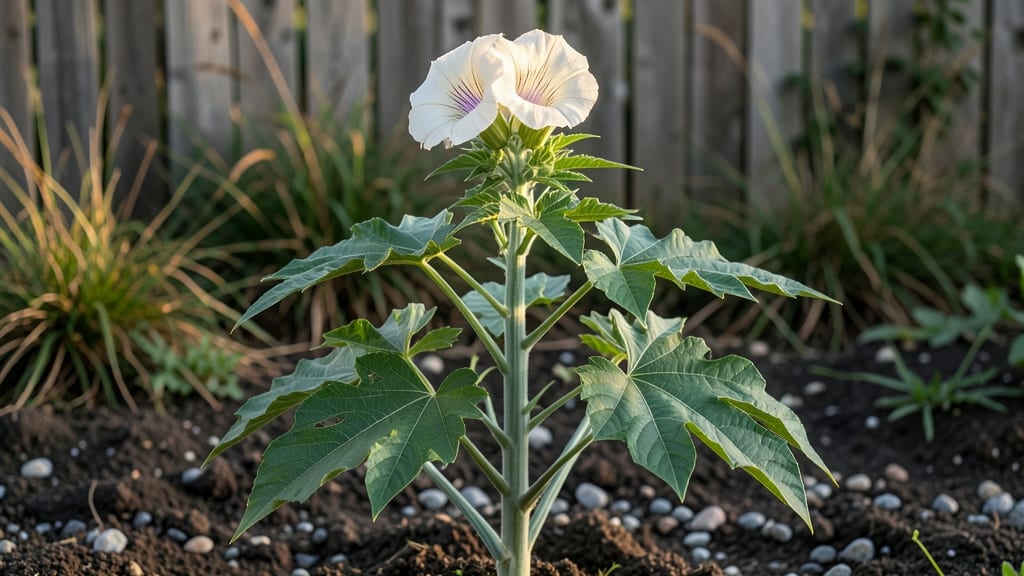
Growing datura stramonium flower means embracing a plant that’s as fascinating as it is dangerous—its moon-white blooms and intoxicating scent make it a garden star, but every part is toxic if mishandled.
I’ve nurtured these striking plants for years, and while they demand respect, their hardiness and unique beauty make them worth the caution. The key is treating them like the high-maintenance divas they are—with the right light, soil, and space to spread their wild allure.
You’ll need full sun (at least 6 hours daily), well-draining soil, and 18-24 inches of spacing between plants to prevent overcrowding. Start seeds indoors 8-10 weeks before your last frost—they germinate best in warm soil (70°F or above).
Once transplanted, datura thrives in dry conditions, so water only when the top inch of soil feels bone-dry. A light touch with a balanced fertilizer in early spring keeps them lush without encouraging excessive foliage that can hide their stunning blooms.
The real magic happens in late summer when trumpet-shaped flowers unfurl, their 5-inch-wide blooms glowing like moonlight. Prune leggy stems in early spring to encourage bushier growth, and always wear gloves—sap and seeds are highly toxic.
Harvest seeds in fall by drying pods on paper towels, but store them in a sealed container labeled with warnings. The trade-off? A garden that feels like a secret botanical escape, where every visitor stops to admire—and then steps back in awe.
Common challenges include slugs (they adore the leaves) and powdery mildew in humid climates—prevent both with diatomaceous earth and good airflow. And remember: never plant datura where children or pets can access it.
With the right precautions, these mesmerizing plants reward you with drama, height, and a touch of the exotic that no other annual can match.
📚 In This Guide
- What you need
- Instructions
- Tips and common mistakes
- Wrapping up and next steps
What you need
- ● Datura stramonium seeds or live plants: Start with certified organic or wild-harvested seeds (avoid invasive spread—check local regulations!). If using live plants, ensure they’re pesticide-free and thriving.
- ● Growing medium: A mix of 60% well-draining potting soil and 40% perlite or sand (2–3 gallons per plant). Datura loves loose, airy soil!
- ● Gloves (nitrile or leather): Non-latex to protect against sap irritation (2–3 pairs).
- ● Pruning shears: Sharp, sterilized shears for harvesting (avoid dull blades—1 pair).
- ○ Spray bottle (optional): For misting seeds during germination (8–16 oz, fine mist setting).
- ● Label markers: Waterproof labels to track plant stages (5–10 markers).
- ● First-aid kit: Include activated charcoal (for poisoning emergencies) and antihistamines (for allergic reactions).
- ● Local regulations: Verify legal cultivation/harvesting laws—datura is restricted in many areas. 💡 Pro tip: Join local gardening forums for compliance insights!
- ● Ventilation: Work near an open window or use a small fan when handling dried flowers (toxic alkaloids disperse easily).
- ● Drying rack or screen: Mesh or parchment paper for air-drying flowers (12"x12" sheet).
- ● Mortar & pestle: For grinding dried flowers into powder (ceramic or glass, not metal).
- ● Dark glass jars: Amber-colored jars (4–8 oz) to store dried flowers or extracts.
- ● Digital scale: For precise measurements (0.1g–50g range) if using for medicinal tinctures.
Step-by-step guide to cultivating datura stramonium safely
This striking yet potent plant thrives with the right conditions—here’s how to grow it responsibly.
Select the Right Location and Soil
Datura stramonium flourishes in full sun—at least 6-8 hours daily—and tolerates poor soil, but it grows best in well-draining, slightly alkaline earth. I always choose a spot with loose, sandy loam or a mix of garden soil and 20% perlite to prevent root rot. The plant’s deep taproot means it dislikes disturbance, so avoid areas with heavy clay unless amended heavily.
Here’s the thing—datura spreads aggressively. Plant it at least 10 feet from walkways or garden edges where children or pets might wander. If growing in containers, use large pots (12+ inches deep) with drainage holes to control its spread. The key is balance: give it room to thrive without becoming invasive.
Plant Seeds at the Correct Depth and Time
Sow seeds ¼ inch deep in spring after the last frost, once soil temperatures reach 60°F or warmer. Datura germinates best in warm conditions—cold, damp soil will rot the seeds before they sprout. I like to pre-soak seeds for 12 hours in lukewarm water to soften the tough outer coating, which speeds up germination to 7-14 days.
Thin seedlings to 12-18 inches apart once they develop true leaves—crowding weakens plants and increases disease risk. If you’re transplanting, handle seedlings gently by the leaves (never the stems) to avoid damaging the fragile roots. Datura’s early growth is slow but steady; don’t rush it.
Provide Minimal Care and Monitor Growth
Water deeply once a week after establishment—datura is drought-tolerant once rooted but appreciates moisture during dry spells. Overwatering leads to root rot, so let the soil dry out between waterings. The plant’s large, glossy leaves will wilt slightly if thirsty, but they perk up quickly after a drink.
Fertilize lightly in early summer with a balanced, low-nitrogen fertilizer (like 5-5-5) to encourage flowering without excessive foliage. Datura’s trumpet-shaped blooms appear in late summer, typically white or lavender, and emit a sweet, intoxicating fragrance at night—just one of its many intriguing traits.
Harvest and Handle with Caution
Collect seeds when the pods turn brown and papery—usually 60-90 days after flowering. Wear gloves, as all parts of the plant contain tropane alkaloids, which are toxic if ingested. The seeds themselves are the most potent; handle them carefully and store them in a locked container away from children and pets.
Datura’s dried leaves and flowers retain medicinal properties, but use them only under professional guidance. Traditional uses include pain relief and sleep induction, but modern medicine warns of severe risks. If growing for ornamental purposes, enjoy its dramatic beauty from a distance—its allure is as dangerous as it is captivating.
Tips & tricks for cultivating datura stramonium safely
Working with datura demands respect for its potency—these insights will help you navigate its cultivation without compromising safety or success.
Soil Preparation Secret: Before planting, mix in 20% perlite into your garden soil to create that well-draining environment datura craves. I've found that adding a handful of crushed eggshells to this mix boosts calcium levels, which strengthens cell walls and makes plants more resistant to the stress of handling. The deep taproot thrives when soil is loose and aerated down to 12 inches—think of it as giving the plant's roots room to breathe.
Germination Game-Changer: That 12-hour pre-soak in lukewarm water isn't just helpful—it's essential. The tough seed coat needs this time to soften, and I've seen germination rates jump from 50% to nearly 90% when I follow this step. Pro tip: Use a mesh bag to contain the seeds during soaking so you don't lose any. After soaking, plant immediately—don't let them dry out again before hitting the soil.
Safety First: When handling datura at any stage, wear nitrile gloves and a mask if you're working with dried material. The alkaloids can be absorbed through skin and inhaled particles. I keep a small spray bottle of vinegar solution nearby to immediately clean any accidental skin contact—vinegar helps neutralize alkaloids temporarily while you wash with soap and water. Remember, even the pollen contains toxic compounds, so avoid working on windy days.
Harvesting Precision: Those 60-90 days after flowering aren't just a range—they're a crucial window. The pods should be completely brown and papery, with a slight crinkle when touched. If you harvest too early, the seeds won't be fully mature; if you wait too long, they may shatter and scatter everywhere. I like to harvest in the morning when humidity is lowest, which makes handling the brittle pods easier and reduces the chance of seed loss.
Pro Tips for Datura Stramonium Flower
- Working with datura demands respect for its potency—these insights will help you navigate its cultivation without compromising safety or success.
- Soil Preparation Secret: Before planting, mix in 20% perlite into your garden soil to create that well-draining environment datura craves.
- Germination Game-Changer: That 12-hour pre-soak in lukewarm water isn't just helpful—it's essential.
Frequently asked questions
Got questions about Datura stramonium? You’re not alone—this striking yet potent flower sparks curiosity (and caution!). Here are answers to the most common queries:
Is datura stramonium legal to grow or possess?
Datura stramonium is legal to grow in most places, but its psychoactive compounds (like scopolamine and atropine) make it regulated in some regions. Always check local laws—some states classify it as a controlled substance. When in doubt, consult a legal expert or local botanical society.
How toxic is datura stramonium, and what are the symptoms of poisoning?
Every part of the plant is highly toxic—ingesting even small amounts can cause hallucinations, rapid heartbeat, dilated pupils, and severe confusion. Symptoms may appear within 30–60 minutes. Seek emergency help immediately if exposure occurs. Never consume it recreationally.
Can datura stramonium be used safely in folk medicine?
Traditional uses (e.g., for asthma or pain relief) exist, but modern medicine discourages self-treatment due to risks. If you’re exploring herbal remedies, consult a licensed herbalist or healthcare provider familiar with its dangers. Never self-medicate with raw datura.
When is the best time to harvest datura stramonium for medicinal or decorative use?
Harvest flowers at peak bloom (late evening to early morning) for maximum potency. Seeds should be collected when fully mature (brown and dry). Wear gloves—sap can irritate skin. Store dried parts in airtight containers away from sunlight.
Are there non-toxic alternatives for similar effects (e.g., hallucinogens or relaxation)?strong>
If you’re seeking natural relaxation or mild psychoactive effects, consider peyote (Lophophora williamsii) (legal in some ceremonial contexts) or adaptogens like ashwagandha. For decorative use, opt for Datura inoxia (less toxic) or non-hallucinogenic flowers like jimsonweed’s safer cousins.
How can I tell if a plant is datura stramonium vs. a lookalike?
Datura stramonium has large, trumpet-shaped white/purple flowers, spiky seed pods, and a foul odor when crushed. Lookalikes like Datura metel (less toxic) or Angel’s Trumpet (also dangerous) require careful ID. Use a field guide or app like iNaturalist to confirm.
Wrapping up and next steps
The Datura stramonium flower is a mesmerizing yet potent plant—its beauty masks powerful medicinal properties and critical dangers.
Whether you’re exploring its historical uses, cultural significance, or the importance of handling it with caution, remember: knowledge is your best tool. Start by growing it safely, researching responsible use, and always prioritizing safety over curiosity.
Ready to dive deeper? Explore ethical gardening practices, consult herbalists, or study botany resources to unlock its secrets—respectfully and responsibly! 🌿✨