
Lawn
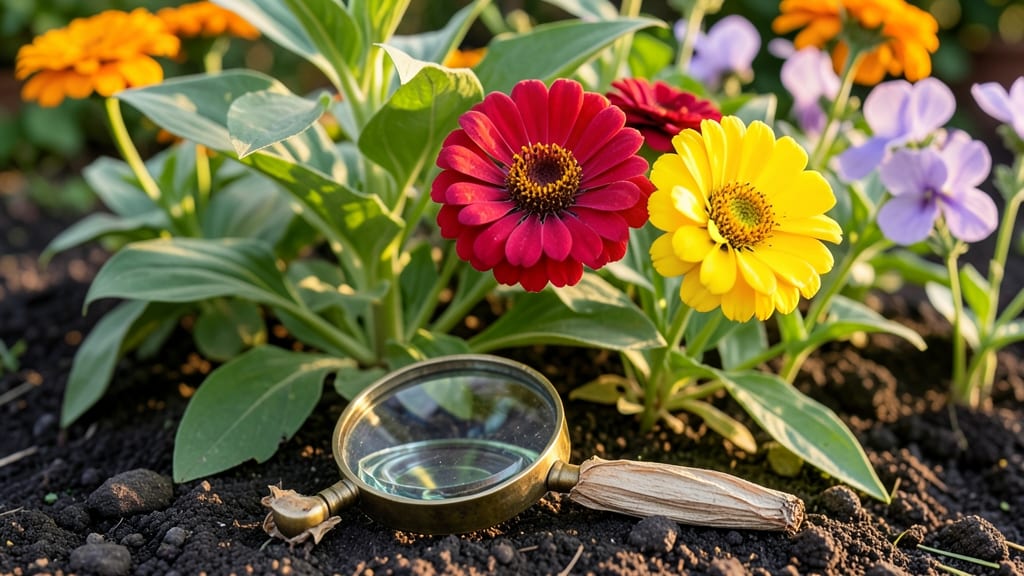
Mastering common flower seed identification can transform your garden from a gamble into a lush, intentional paradise—if you know which seeds belong where. 🌱 I’ve spent years sorting through seed packets, and the most common mistakes happen when similar-looking seeds—like marigold and calendula—get mixed up.
A single mislabeled packet can throw off your entire planting schedule, especially when timing matters for seasonal blooms.
The key lies in three details: seed shape, packet labels, and regional availability. Round, ribbed seeds belong to cosmos, while flat, oval ones are likely snapdragons. Always check the fine print—some packets list germination times or light requirements that hint at the plant’s true identity.
And if you’re sourcing locally, ask fellow gardeners which varieties grow best in your area, as climate plays a huge role in seed performance.
Once you master these visual cues, you’ll spot the subtle differences that make all the difference. Imagine plucking a seed packet off the shelf and instantly knowing whether it’s a delicate bachelor’s button or a bold zinnia—no guesswork, no wasted seeds.
This skill alone cuts down on trial-and-error planting and ensures your garden blooms exactly as you envision it.
We’ll cover the top 20 most confusing pairs next, with side-by-side comparisons and pro tips for telling them apart. No more second-guessing—just confident planting, season after season.
📚 In This Guide
- What you need
- Instructions
- Tips and common mistakes
- Wrapping up and next steps
What you need
- ● Magnifying glass or loupe (3x-10x magnification) – For examining tiny details like seed texture, shape, and markings.
- ● Ruler or measuring tape – To measure seed length, width, and any distinguishing features (inches or millimeters).
- ● White or light-colored tray or dish – A shallow container (12" x 12" or larger) to spread seeds evenly for comparison.
- ● Tweezers or fine-tipped forceps – For handling delicate seeds without crushing them.
- ● Notebook or digital note-taking app – To record observations, sketch seed shapes, or jot down key identifiers.
- ● Seed identification guidebook or printed reference sheet – A physical or digital copy of Common Flower Seed Identification (e.g., blank">USDA Seed Database or blank">Burpee Seed Guide).
- ● Flashlight or LED light source – Essential for illuminating seeds from different angles (especially for transparent or translucent varieties).
- ● Digital microscope or smartphone microscope attachment – For high-resolution close-ups of seed surfaces.
- ● Seed moisture tester (e.g., hydrometer or refractometer) – If testing viability or moisture content.
- ● Color-coded labels or sticky notes – To organize seeds by family, size, or suspected variety.
- ● Humidity-controlled storage container – For preserving seeds temporarily (e.g., airtight jar with silica gel).
- ● Field guide to wildflowers or garden flowers – Cross-reference seeds with mature plant photos for accuracy.
How to identify flower seeds: a visual guide to key features
Mastering seed identification saves money and prevents disappointing garden mishaps.
🌱 Step 1: Examine Seed Shape and Size
Seed shape reveals a lot about the plant. Round, plump seeds like marigold or zinnia often indicate fast germination and hardy annuals. Look for wrinkled textures on sunflower seeds—they’re larger than most flower seeds, typically ½ inch long, with a distinctive striped pattern.
Flat, oval seeds like larkspur or snapdragon usually belong to plants with slender stems. These seeds are often ¼ inch long and have a matte finish. I always compare them to a dime—if they’re smaller than ⅛ inch, they’re likely delicate perennials like columbine or foxglove.
🌿 Step 2: Check for Surface Markings and Colors
Many flower seeds have distinctive patterns that act as natural identification. Cosmos seeds are tiny, black and shiny, resembling specks of pepper. Sweet peas have a mottled brown and tan appearance with a smooth, almost waxy coating.
Brightly colored seeds like red poppy (deep maroon) or blue cornflower (grayish-blue) often indicate self-sowing annuals. If a seed packet shows two-toned colors, it’s usually a hybrid variety—petunia or geranium seeds often fall into this category. I keep a small magnifying glass handy for close inspection.
☀️ Step 3: Identify Seed Attachments and Packaging
Some seeds arrive still attached to their pods. Peony seeds, for example, come in woody, papery husks that split open when dry. Lupine seeds are encased in spiky, pea-like pods that must be cracked open to release the seed inside.
Check the seed packet for microscopic details like "non-GMO," "heirloom," or "organic" labels—these often correlate with seed shape. Dill or fennel seeds (not flowers, but often confused) are slender and elongated, while hollyhock seeds are flat and winged like tiny maple helicopter seeds.
⏰ Step 4: Verify with Germination Tests
If you’re still unsure, perform a quick germination test. Place seeds between damp paper towels in a sealed container. Seeds that sprout within 3-5 days are likely fast germinators like marigold or cosmos. Those taking 10-14 days are probably delicate perennials such as coneflower or black-eyed Susan.
Watch for cotyledon shape—the first leaves that emerge. Round cotyledons suggest legumes (like sweet peas), while needle-like leaves indicate brassicas (like stock flowers). This is the final clue I rely on when seeds look identical.
Tips & tricks for mastering flower seed identification
Here's what nobody tells you about nailing those tricky seed identifications—these secrets will turn you into a pro.
Visual Reference Tools: Grab a magnifying glass and a ruler with millimeter markings—these are your best friends for Step 1. I keep a small notebook where I sketch seed shapes alongside their measurements. For example, a ¼-inch seed with a matte finish is almost always larkspur, while the ½-inch striped seed? That's your sunflower. The ruler helps distinguish between ⅛-inch delicate perennials like foxglove and larger annuals.
Color Consistency Check: In Step 2, when examining surface markings, pay attention to color consistency across multiple seeds from the same packet. Hybrid varieties like petunias often show slight color variations between seeds, while heirloom seeds tend to be more uniform. I've caught multiple misidentifications by noticing that "cosmos" seeds should all be uniformly black—not a mix of black and brown. This is especially helpful when dealing with two-toned seeds that might be geraniums.
Pod Identification Shortcuts: For Step 3, here's a quick trick: if you find seeds still in their pods, gently tap the pod against your palm—peony pods make a dry, papery sound, while lupine pods produce a distinct rattling noise from their spiky interior. This auditory cue can save you from making costly mistakes when identifying seeds still attached to their packaging. I've used this trick to quickly distinguish between hollyhock seeds (flat and winged) and dill seeds (slender and elongated) when they look similar at first glance.
Germination Test Pro Tips: When performing your germination test in Step 4, use clear plastic containers so you can watch root development without disturbing the seeds. Fast germinators like marigold will show roots within 24 hours, while delicate perennials like coneflower may take up to 10 days to show any signs of life. I recommend labeling each container with the seed type and date—this creates a visual timeline that makes identification much clearer. The cotyledon shape is your final clue, but the timing of germination gives you critical information about the plant's growth cycle.
Pro Tips for Common Flower Seed Identification
- Here's what nobody tells you about nailing those tricky seed identifications—these secrets will turn you into a pro.
- Visual Reference Tools: Grab a magnifying glass and a ruler with millimeter markings—these are your best friends for Step 1.
- Color Consistency Check: In Step 2, when examining surface markings, pay attention to color consistency across multiple seeds from the same packet.
Frequently asked questions
Got questions about flower seed ID? You’re not alone!
Here’s a quick breakdown of the most common concerns—plus tips to make your gardening life easier.
How do I tell if flower seeds are still viable before planting?
Test viability with a paper towel method: Dampen a paper towel, place seeds inside, fold, and seal in a bag. Keep in a warm spot for 5–7 days. If 50%+ sprout, they’re good to go! Discard old or moldy seeds—no germination = no blooms.
Can I plant flower seeds too early in spring?
Yes, but timing matters! Check your last frost date (USDA Zone maps help). Cool-season flowers (like pansies) tolerate light frost, while tender varieties (e.g., marigolds) need soil temps above 60°F. Start indoors 6–8 weeks before transplanting for a head start.
What’s the best way to store leftover flower seeds for next year?
Store seeds in a cool (35–40°F), dry place (like a fridge) in airtight containers with silica gel packets. Label with the year and variety—seeds lose potency after 1–2 years. Pro tip: Freeze seeds for long-term storage (up to 5 years)!
Why did my flower seeds just rot in the soil?
Overwatering or poor drainage are top culprits. Ensure pots/dirt have drainage holes, and water only when the top inch is dry. If seeds feel mushy, they’ve suffocated—airflow is key. Try pressing seeds lightly into soil (don’t bury deep!) for better contact.
Are there easy-to-ID flower seeds for beginners?
Start with large, distinct seeds like:
These sprout fast and tolerate mistakes—perfect for building confidence!
Wrapping up and next steps
Mastering common flower seed identification opens up a world of vibrant gardens and easy gardening! With this visual guide, you’ve learned to spot key differences in shape, color, and texture—no more guessing which seed is which. 🌸
Ready to put your new skills to work? Start by planting a few of these varieties in your garden or even small pots on your balcony. Watching them bloom will make your efforts feel incredibly rewarding!