
Flowers
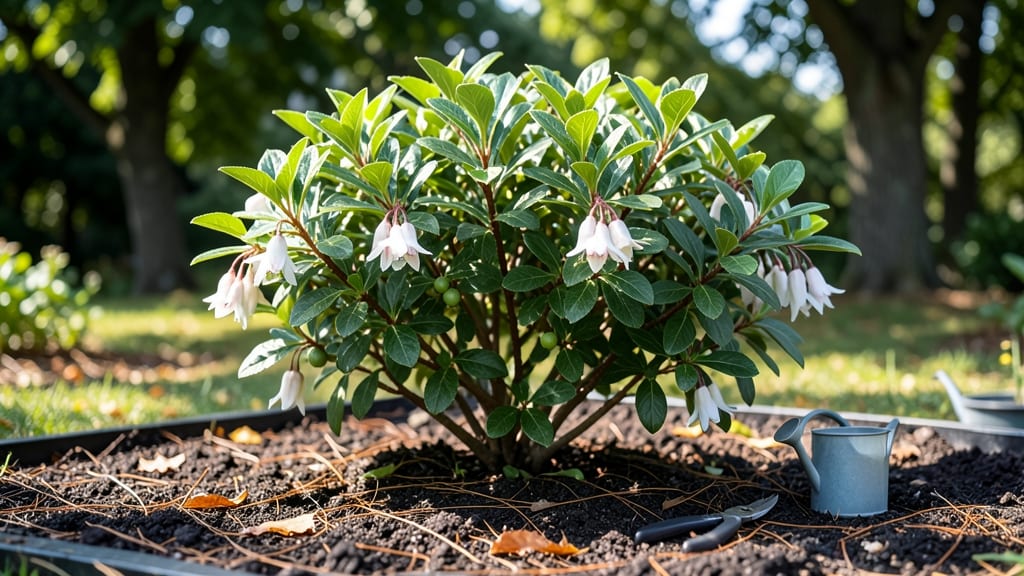
The blueberry bush flowers that appear in early spring are the secret to your harvest—frost-resistant blooms that turn into sweet berries if you give them the right care. 🌸 I remember my first year growing blueberries; I pruned too late and missed the delicate white and pink clusters entirely.
Now I time my cuts precisely to protect those fragile buds while encouraging next year’s flowers.
These flowers need cool nights and warm days to thrive, which is why Pacific Northwest gardens are perfect for them. The key is matching their needs: well-draining soil, consistent moisture, and a balanced fertilizer high in phosphorus to fuel blooming.
Too much nitrogen, and you’ll get leafy growth but no flowers—or worse, no berries.
With the right conditions, you’ll see clusters of tiny white or pink flowers in late winter or early spring, followed by berries by midsummer. The flowers themselves are stunning, but their real magic is in what comes after—juicy, antioxidant-rich blueberries that taste like summer in every bite.
Prune after harvest to keep the plant healthy and encourage even more blooms next year.
Whether you’re growing rabbiteye, southern highbush, or lowbush varieties, the principles stay the same: protect those flowers from late frosts, feed them right, and give them space to breathe. The payoff? A bush bursting with color—and delicious fruit—year after year.
📚 In This Guide
- What you need
- Instructions
- Tips and common mistakes
- Wrapping up and next steps
What you need
- ● Blueberry plants: 1–3 Rabbiteye, Southern Highbush, or Half-High varieties (best for PNW’s mild winters)
- ● Bare-root or container-grown (1–3 years old for faster establishment)
- ● Soil amendments: 5–10 lbs peat moss or coconut coir (for acidity, pH 4.5–5.5)
- ● 2–3 lbs sulfur or aluminum sulfate (to lower soil pH)
- ● 1–2 lbs compost or well-rotted manure (organic matter)
- ● Planting tools: 1 garden trowel or spade (for digging)
- ● 1 pruning shears (to trim roots/damaged branches)
- ● 1 pH testing kit (digital or liquid)
- ● Mulch: 2–3 inches pine bark or wood chips (acid-loving mulch)
- ● Watering supplies: 1 hose with adjustable nozzle or drip irrigation kit
- ● 1 watering can (for seedlings)
- ● 1 soil moisture meter (to track hydration)
- ● 1–2 pollinator-friendly companion plants (e.g., lavender, thyme)
- ● Frost cloth (for young plants in late frosts)
- ● Slow-release acid-loving fertilizer (e.g., cottonseed meal)
Step-by-step guide to cultivating frost-resistant blueberry blooms
Here's how to coax vibrant, hardy blueberry flowers that thrive in Pacific Northwest's cool, damp climate.
🌱 Step 1: Choose the Right Variety for Your Zone
Southern highbush varieties like 'Duke' or 'Southland' handle our region's 100-200 chill hours perfectly, while rabbiteye types like 'Climax' need 300-500 chill hours. Check your specific microclimate—valleys often get colder than hilltops. I always plant at least two different varieties to ensure cross-pollination, which dramatically boosts fruit set.
Look for 2-3 year old bare-root plants in early spring. The roots should be firm and white, not shriveled. If you're planting in fall, do it 6-8 weeks before first frost to give roots time to establish before winter. The first year after planting, focus on root development—don't expect many flowers, but you'll see the foundation for next season's blooms.
☀️ Step 2: Prepare the Planting Site with Acidic Soil
Blueberries demand soil pH between 4.5-5.5—our region's naturally acidic soils often need no adjustment, but test first. I use a soil test kit to confirm levels before planting. If your soil tests higher than 5.5, amend with elemental sulfur (apply according to package rates) and mix it into the top 12 inches of soil.
Dig a hole twice as wide as the root ball but only as deep as the container's root system. The plant's graft union (visible as a swollen area on the stem) should sit 2 inches above soil level. This prevents water from pooling around the base and rotting the graft. Fill the hole with a mix of 50% native soil and 50% peat moss or pine bark fines for that perfect acidity.
💧 Step 3: Establish Proper Watering and Mulching Routines
Water deeply 2-3 times per week during the first growing season, keeping the soil consistently moist but never soggy. You'll know it's right when water drains through 4-6 inches of soil within 30 minutes. Overwatering causes root rot, while underwatering stresses plants and reduces next year's flower production.
Apply 3-4 inches of pine bark mulch around the base, keeping it 3 inches away from the stem. This mimics the forest floor where blueberries naturally grow. The mulch slowly releases acidity while suppressing weeds. Replenish it annually in early spring—this is the secret to maintaining that perfect acidic environment year after year.
✂️ Step 4: Prune for Optimal Flower Production
Prune in late winter or early spring before buds swell. Remove dead, diseased, or crossing branches first—they compete with healthy growth. Then cut back last year's fruiting wood to just above a outward-facing bud. This encourages new growth that will bear next year's flowers.
Thin out overcrowded branches to improve air circulation, which prevents fungal diseases like mummy berry. You'll see pink flower buds forming in late winter—these are your future crop. Never prune when flowers are already open, as you'll remove potential fruit. The goal is to maintain an open, vase-shaped canopy that lets sunlight reach all branches.
🌿 Step 5: Fertilize Strategically for Next Season's Blooms
Apply a slow-release, acid-loving plant fertilizer (like Osmocote 14-14-14) in early spring when new growth appears. Use only half the recommended rate—blueberries are sensitive to excess nitrogen, which promotes leafy growth at the expense of flowers. I like to side-dress with composted pine needles in fall for organic matter and acidity.
Watch for yellowing leaves—this is often a sign of iron deficiency (common in alkaline soils). If you see it, apply iron sulfate according to package directions. Healthy foliage now means better flower production next spring. The key is balance: enough nutrients for growth, but not so much that the plant focuses on leaves instead of reproductive blooms.
Tips & tricks for cultivating frost-resistant blueberry blooms
These practical insights will help you maximize your blueberry bush's flower production and hardiness in our region's challenging climate.
Variety Selection Wisdom: When choosing between southern highbush and rabbiteye varieties, consider your specific microclimate's chill hours. The 100-200 chill hours range for southern highbush types like 'Duke' is perfect for most Pacific Northwest gardens, but if you're in a colder valley, you might need to supplement with a rabbiteye variety for better fruit set. I've found that planting both types within 15 feet of each other ensures cross-pollination, which dramatically increases flower production and fruit yield.
Planting Depth Technique: The 2-inch elevation of the graft union above soil level is critical—this prevents water from pooling around the base, which can rot the graft. I always verify this by gently pressing the soil around the base after planting. If the graft union sinks below soil level, add more soil mix and firm it gently. This small detail makes all the difference in establishing strong root systems that produce more flowers next season.
Soil Testing Strategy: While our region's natural acidity often falls within the 4.5-5.5 pH range, I recommend testing every 2-3 years to account for natural fluctuations. If you're amending with elemental sulfur, apply it in early fall to allow time for the soil to adjust before planting. The goal is to maintain that perfect acidic environment where blueberry roots thrive and flower buds develop properly.
Watering Visual Cue: The 30-minute drainage test is your best indicator of proper moisture levels. I like to use a long screwdriver to check soil moisture at 4-6 inches deep—if it's dry, it's time to water. The key is consistency: blueberries hate soggy roots but also can't handle drought stress, which directly impacts next year's flower production.
Pro Tips for Blueberry Bush Flowers
- These practical insights will help you maximize your blueberry bush's flower production and hardiness in our region's challenging climate.
- Variety Selection Wisdom: When choosing between southern highbush and rabbiteye varieties, consider your specific microclimate's chill hours.
- Planting Depth Technique: The 2-inch elevation of the graft union above soil level is critical—this prevents water from pooling around the base, which can rot the graft.
Frequently asked questions
Got questions about those stunning blueberry bush flowers? You’re not alone! Here are some of the most common queries from gardeners in the Pacific Northwest—and beyond.
When do blueberry bush flowers bloom, and how long do they last?
Blueberry flowers typically bloom in early spring, often between late March and May, depending on your location. In the Pacific Northwest, expect blooms around April. Each flower lasts about 5–7 days, but the entire bush stays in bloom for 2–3 weeks, creating a gorgeous white or pink spectacle.
Are blueberry bush flowers frost-resistant, or will late frosts ruin them?
Blueberry flowers are moderately frost-resistant, but late spring frosts (below 28°F/-2°C) can damage them. The Pacific Northwest’s unpredictable weather means timing is key! If frost is forecasted, cover the bush with frost cloth or a light blanket. Young flowers are most vulnerable—once buds open, they’re less likely to be harmed.
Do blueberry bush flowers mean fruit is coming next year?
Not always! Blueberry flowers do indicate potential fruit, but several factors influence success: pollination (bees love them!), soil pH (aim for 4.5–5.5), and proper pruning. If flowers appear but drop off, check for nutrient deficiencies (like nitrogen) or pests. Patience pays off—healthy bushes may take 2–3 years to bear fruit consistently.
Can I propagate blueberry bushes from flowers, or do I need to buy new plants?
Nope! Blueberry bushes cannot be grown from flowers—they reproduce via seeds, cuttings, or root division. Flowers are part of the fruiting process, not the plant’s propagation method. For new bushes, opt for bare-root plants (fall or early spring) or container-grown varieties for the PNW’s climate. Pro tip: Label your bushes to track varieties and avoid confusion!
Why are my blueberry bush flowers falling off before they open?
Flower drop is often a sign of stress. Common culprits include:
- Extreme temperature swings (too hot/cold too fast).
- Overwatering or poor drainage (roots suffocate).
- Pests (like blueberry leaf gall or aphids).
- Nutrient imbalance (too much nitrogen = lush leaves, no flowers).
Wrapping up and next steps
Blueberry bush flowers aren’t just a delightful sight—they’re a hardy, frost-resistant gem for Pacific Northwest gardens, offering both beauty and future berry rewards. From choosing the right variety to nurturing their growth, these blooms prove that resilience and charm can go hand in hand. 🌸
Now that you’re equipped with the know-how, why not roll up your sleeves and plant one this season? Start small—whether it’s a single bush or a full berry patch—and watch your garden thrive with every bloom and harvest. Happy gardening! 🌱