
Flowers
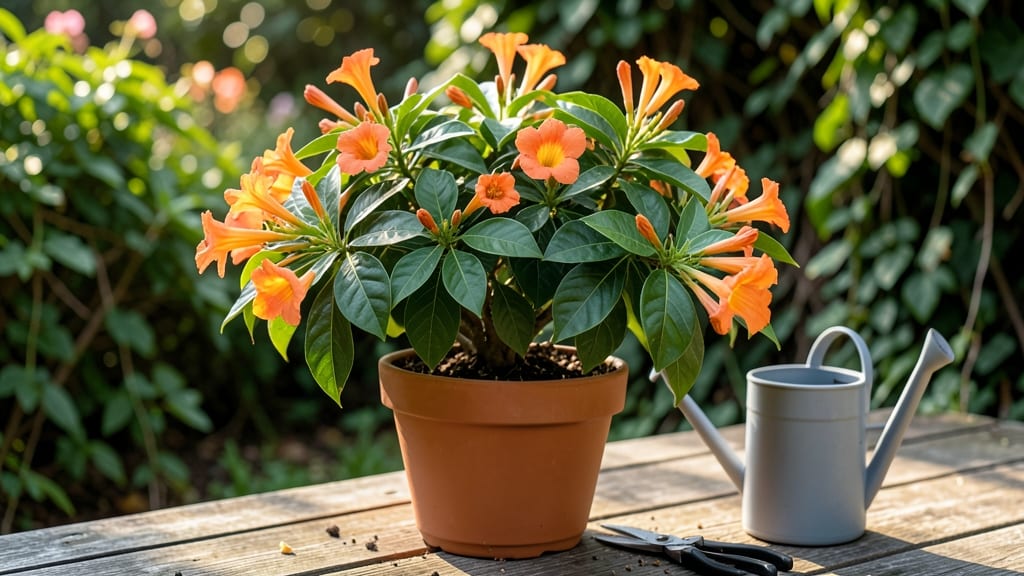
Mastering allamanda flower care is all about sun and water—once you tweak just two things, your plants will burst into trumpet-shaped blooms for months. 🌿 I’ve watched mine transform from struggling to overflowing with flowers after adjusting morning sunlight and consistent watering.
The key isn’t complicated, but it’s easy to overthink.
You’ll need well-draining soil, a spot with 6+ hours of sunlight, and a watering routine that keeps the roots moist but never soggy. Allamandas reward patience—prune after flowering to encourage bushier growth, and feed lightly every 4-6 weeks during spring and summer.
Most problems (yellow leaves, sparse blooms) come from overwatering or poor drainage.
By summer’s end, your plant will be covered in glossy green leaves and clusters of orange or pink blooms, smelling like a tropical paradise. The best part? They handle heat and humidity beautifully, making them perfect for patios, balconies, or even containers near your deck.
Even in cooler months, with a little protection, they’ll keep blooming. Let’s get yours looking like a showstopper all season long—no green thumb required.
📚 In This Guide
- What you need
- Instructions
- Tips and common mistakes
- Wrapping up and next steps
What you need
- ● Allamanda plant: Choose between Allamanda cathartica (yellow/orange) or Allamanda neriifolia (pink/white). Start with 1-3 healthy plants (potted or bare-root).
- ● Well-draining potting mix: 50% cactus/succulent mix (for aeration)
- ● 30% peat moss or coconut coir (moisture retention)
- ● 20% perlite or coarse sand (prevents root rot)
- ● Containers: Required: Pots with drainage holes (12–18 inches in diameter for mature plants).
- ○ Optional: Trellis or stakes (6–8 ft tall) for climbing varieties.
- ● Fertilizer: Balanced liquid fertilizer (10-10-10 or 20-20-20, diluted to half-strength).
- ● Slow-release granules (e.g., osmocote, 1 tbsp per 6 inches of soil).
- ● Pruning tools: Sharp bypass pruners (for clean cuts).
- ● Sterilizing alcohol (70% isopropyl) to disinfect tools.
- ● Mulch: Orchid bark or pine needles (1–2 inches) to retain moisture and regulate temperature.
- ● Humidity tray: A shallow tray with pebbles and water (for dry climates).
- ● Grow lights: LED full-spectrum bulbs (12–14 hours/day in low-light areas).
- ● Plant supports: Coco fiber or moss poles for climbing varieties.
- ● Soil pH test kit: Ideal range: 6.0–7.0 (slightly acidic to neutral).
Step-by-Step Allamanda flower care for lush, blooming vines
Here's how I keep these tropical beauties thriving indoors or in mild climates—no fuss, just stunning results.
🌿 Step 1: Position for Maximum Light Exposure
Allamandas demand bright, indirect light—think east or west-facing windows where they get 6-8 hours of filtered sun daily. A south window works too, but shield them from harsh afternoon rays with a sheer curtain to prevent leaf scorch. You'll know the light is right when new growth appears vibrant green and compact, not stretched or pale.
If you're growing them outdoors in USDA zones 10-11, plant them where they'll receive morning sun and afternoon shade. The key is avoiding midday heat stress—leaves will curl and yellow if they're getting too much direct sun too quickly. I've seen allamandas in full sun adapt eventually, but it takes 2-3 weeks of gradual exposure.
💧 Step 2: Master the Watering Balance
Water when the top 2 inches of soil feel dry to touch—this is critical because allamandas hate soggy roots but also can't tolerate drought. I use my finger to check moisture every 3-4 days in summer and every 7-10 days in winter when growth slows. The soil should feel lightly moist but not wet—think of a well-wrung sponge.
Here's the thing—overwatering is the #1 killer. If the leaves start yellowing at the edges or the stems feel mushy when you gently squeeze them, you're watering too much. Allamandas are drought-tolerant once established, so it's better to underwater slightly than drown them. I always water at the base of the plant rather than overhead to prevent fungal issues.
☀️ Step 3: Feed During Active Growth
Use a balanced liquid fertilizer (10-10-10 or 20-20-20) diluted to half-strength every 2-3 weeks during spring and summer when you see new leaves emerging. This is when your allamanda is putting all its energy into vigorously growing vines and buds. I skip fertilizing in fall and winter unless you're in a warm climate where growth continues year-round.
You'll notice a difference within 2-3 weeks of consistent feeding—leaves will darken to a richer green, and you'll see more flower buds forming. If you're using slow-release granules, apply them once in early spring and forget about it until next year. The key is consistency during the growing season—never let them go without nutrients for more than a month.
✂️ Step 4: Prune for Shape and Blooms
Prune right after flowering to encourage bushier growth and more blooms. Cut back 1/3 of the current season's growth using clean, sharp pruners at a 45-degree angle just above a leaf node. This is where new growth will emerge. I always prune in late winter or early spring before the main growing season kicks in.
Don't skip this step—unpruned allamandas grow leggy and woody, producing fewer flowers. You'll also want to remove any dead, diseased, or crossing branches throughout the year. After pruning, give your plant a light feeding to help it recover and produce fresh growth. The result? A fuller, more compact plant with more abundant blooms the following season.
🪴 Step 5: Winter Care for Year-Round Blooms
If you're in a cooler climate (below zone 9), bring your allamanda indoors before temperatures drop below 50°F. Place it near a bright window and reduce watering to every 10-14 days. The plant will go semi-dormant, so don't expect new growth—just maintain basic care until spring.
In warmer climates, allamandas can stay outside year-round, but they'll still benefit from reduced watering and no fertilizer during the cooler months. If you notice leaf drop, don't panic—this is normal as the plant adjusts to lower light levels. Once temperatures rise again in spring, resume regular care and you'll see new growth and flowers within 6-8 weeks.
Tips & tricks for perfect Allamanda flower care
Real talk: these tropical vines are forgiving but won't tolerate neglect. Here's what I've learned after keeping allamandas thriving for years—without the guesswork.
Light Exposure Strategy: If your east or west window isn't getting enough light (you'll know because growth stretches toward the light), supplement with a grow light 12 inches above for 4-6 hours daily. I use a simple LED grow bulb on a timer—just enough to bridge the gap. The goal is that 6-8 hours of bright light we talked about should feel like sunshine to your plant, not a struggle.
Watering Technique: The finger test in Step 2 is foolproof, but here's the secret: use your middle finger (not index) because it's less sensitive. Push it 1 inch deep—if you feel moisture, wait another day. I've found that terracotta pots dry out faster than plastic, so adjust your watering schedule accordingly. The key is consistency: if you water every 3 days in summer, stick to that rhythm.
Fertilizer Timing: Those 2-3 weeks between feedings during spring/summer are non-negotiable, but here's what I do differently: I feed on the new moon when possible. It's not science, just a gardening tradition I picked up that seems to help. Also, if you notice yellowing leaves between feedings, it might mean your plant is hungry—give it a quarter-strength feed as a pick-me-up.
Pruning Precision: When you're cutting back 1/3 of the current season's growth in Step 4, look for where the leaf meets the stem—this is your 45-degree angle target. I always sterilize my pruners with rubbing alcohol between cuts to prevent bacterial spread. After pruning, I let the cut ends callus over for 24 hours before giving that light feeding to avoid rot.
Pro Tips for Allamanda Flower Care
- Real talk: these tropical vines are forgiving but won't tolerate neglect.
- Light Exposure Strategy: If your east or west window isn't getting enough light (you'll know because growth stretches toward the light), supplement with a grow light 12 inches above for 4-6 hours daily.
- Watering Technique: The finger test in Step 2 is foolproof, but here's the secret: use your middle finger (not index) because it's less sensitive.
Frequently asked questions
Got questions about keeping your Allamanda blooms happy? We’ve got answers! Here are some of the most common queries from gardeners—whether you're a newbie or a seasoned plant parent.
How often should I water my Allamanda flower?
Water your Allamanda when the top 1–2 inches of soil feel dry. Typically, this means watering every 2–3 days in hot weather and reducing to once a week in cooler months. Overwatering is the #1 killer—always ensure well-draining soil to prevent root rot.
When is the best time to prune Allamanda flowers?
Prune after flowering (late spring/early summer) to encourage bushier growth. You can also do a light trim in early spring to shape the plant. Avoid heavy pruning in fall/winter—this is when Allamandas rest. Use clean, sharp shears and sterilize them with rubbing alcohol to prevent disease.
Can Allamanda grow indoors, and what light does it need?
Yes! Place your Allamanda near a south- or west-facing window for 6+ hours of bright, indirect light daily. If indoors, supplement with a grow light (12–14 hours/day) in dim spaces. Yellowing leaves? It’s craving more sun! Avoid harsh direct sunlight, which can scorch the foliage.
Why aren’t my Allamanda flowers blooming, and how can I fix it?
Lack of blooms often stems from low light, overwatering, or lack of nutrients. Boost blooms by:
- Moving to a sunnier spot (6+ hours of light).
- Fertilizing with a balanced, phosphorus-rich fertilizer every 4–6 weeks in spring/summer.
- Ensuring proper drainage—root-bound plants or soggy soil stress the plant.
What are some low-maintenance alternatives to Allamanda?
If Allamandas seem too high-maintenance, try these easy-care tropicals:
- Bougainvillea: Drought-tolerant, vibrant blooms, thrives in heat.
- Plumeria: Fragrant, low-water needs, loves full sun.
- Ixora: Clustered flowers, adaptable to partial shade.
- Hibiscus: Fast-growing, loves humidity, and blooms year-round in warm climates.
Wrapping up and next steps
Caring for your Allamanda flower is all about understanding its simple needs—sunlight, well-draining soil, and occasional pruning. With these low-maintenance tips, you’ll enjoy vibrant blooms year-round, turning your garden or patio into a stunning tropical escape. 🌺
Ready to see your Allamanda thrive? Start with one plant, experiment with placement, and soon you’ll be sharing your lush, fragrant success with fellow plant lovers! 🌱