
Container Gardens
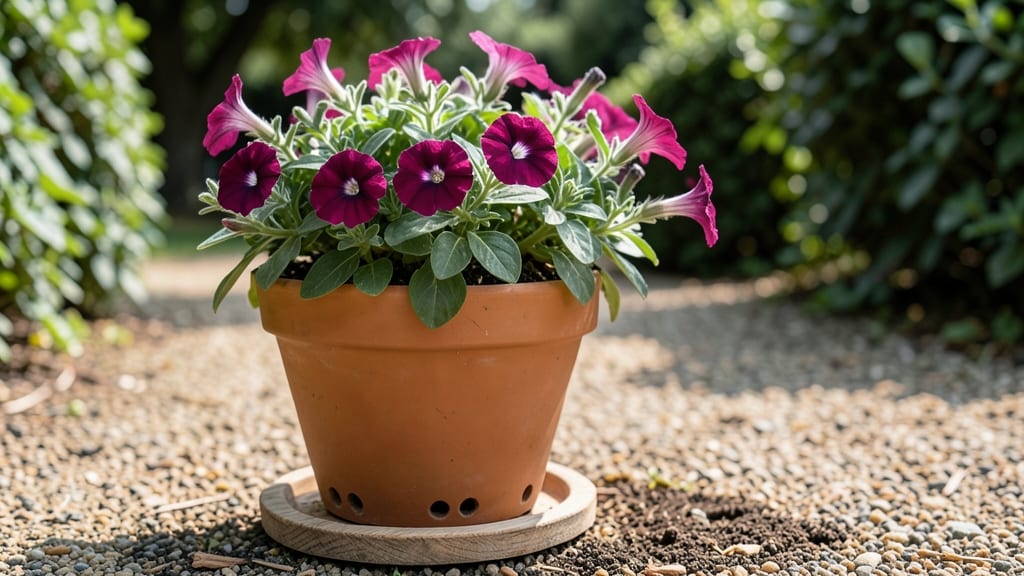
Those 30-inch flower pots turn small spaces into showstops—think of them as your garden’s vertical billboards. I’ve used them to transform cramped balconies into lush, eye-catching displays, and the secret isn’t just the size but how you style them.
These pots aren’t just containers; they’re design anchors that elevate any area, whether indoors or out.
Terracotta breathes life into Mediterranean themes, while ceramic adds a sleek modern edge.
Pair them with trailing plants like ferns or petunias for instant drama, or go bold with a single statement plant like a dwarf olive tree. Drainage is non-negotiable—add saucers or elevate pots to prevent soggy roots, and always place them where they’ll get at least 6 hours of sunlight daily.
What you’ll end up with is a focal point that draws the eye upward, softening walls and adding texture. The right plant-pot combo can make a tiny patio feel like a curated garden escape. Plus, these oversized pots work year-round—swap out seasonal blooms or evergreens to keep the vibe fresh.
Pro tip: Group odd numbers of pots (3 or 5) for a balanced look, and mix materials—terracotta with metal accents, for example—for extra visual interest. Whether you’re dressing up a corner or filling a window box, these pots deliver instant curb appeal without the footprint.
📚 In This Guide
- What you need
- Instructions
- Tips and common mistakes
- Wrapping up and next steps
What you need
- ● 30-inch flower pots (1–4+): Choose from ceramic, fiberglass, or resin (lightweight options are ideal for balconies). Ensure they have drainage holes!
- ● High-quality potting mix: 2–3 bags (1–2 cubic feet per pot) of well-draining soil (e.g., Miracle-Gro Moisture Control or Black Gold Natural & Organic).
- ● Drainage layer: Pebbles, gravel, or broken pottery shards (1–2 inches per pot).
- ● Slow-release fertilizer: 1–2 pellets or granules (e.g., Osmocote Smart-Release) per pot.
- ● Gloves & knee pads: For comfort while planting.
- ● Watering can or hose with a gentle nozzle: Avoid over-saturating your pots.
- ● Self-watering pot liner: Reduces maintenance for busy plant parents.
- ● Plant saucers or trays: Catch runoff and protect surfaces.
- ● Decorative pot covers or paint: Customize your pots for a cohesive look!
- ● Plant supports (stakes, trellises): For vines or tall flowers like sunflowers.
- ○ Mulch (optional): Preserves moisture (e.g., cocoa hulls or pine bark).
How to style and plant 30-Inch flower pots for maximum impact
Here’s the straightforward approach I use to turn large pots into eye-catching vertical gardens.
Choose the Right Pot and Drainage
Select a 30-inch diameter pot with sturdy sides—plastic or fiberglass holds up better in wind than terra cotta. Check that it has at least four evenly spaced drainage holes at the bottom. If yours doesn’t, drill them yourself using a ½-inch bit—this prevents root rot and keeps plants healthy.
Place the pot on a saucer or tray to catch excess water. I always use a heavy-duty saucer (not the flimsy ones that come with pots) to avoid tipping. Set it in a spot where it won’t block walkways or doors—these pots are heavy when full, so placement matters.
Layer Soil and Drainage for Long-Lasting Plants
Start with a 3-inch layer of gravel or pumice at the bottom to improve drainage. This prevents water from pooling at the roots, which is especially important for large pots that dry out unevenly. Next, add 6 inches of lightweight potting mix—I like a blend of 50% peat moss and 50% perlite for air circulation.
Press the soil down gently but firmly—it should feel like packing snow, not concrete. Leave 2-3 inches of space at the top for mulch and plants. This extra room keeps soil from spilling out when you water or when plants grow taller. Here’s the thing—if you skip this layering, your plants will struggle with soggy roots or dry-out too fast.
Select Plants That Thrive Together
For a 30-inch pot, aim for three to five plants—one tall centerpiece, two mid-height fillers, and one trailing plant. I often use ornamental grasses (like fountain grass) as the centerpiece, petunias or geraniums for mid-height color, and ivy or sweet potato vine for trailing drama.
Group plants by water needs—moisture-loving plants (like impatiens) near the edges and drought-tolerant ones (like succulents) closer to the center where soil dries faster. Dig holes twice as wide as the root ball and place each plant at the same depth it was in its nursery pot. Gently firm the soil around the roots to eliminate air pockets.
Water Deeply and Mulch for Retention
Water the pot thoroughly until water runs out the drainage holes. This ensures the roots settle into the soil and eliminates air gaps. Let it drain completely before adding a 2-inch layer of mulch (like bark chips or shredded pine) on top. Mulch keeps soil moist, suppresses weeds, and looks polished.
After watering, check the soil 1 inch below the surface—it should feel damp but not soggy. If it’s dry, water again. Overwatering is the biggest mistake with large pots; they hold a lot of moisture and can suffocate roots if not balanced. Here’s a pro tip: Use a moisture meter for the first few weeks to get a feel for how often your pot actually needs water.
Position and Maintain for Year-Round Appeal
Place your pot where it gets at least 6 hours of sunlight daily—most flowering plants need this for vibrant blooms. If you’re using shade-tolerant plants, position it under a dappled shade tree to avoid harsh afternoon sun. Rotate the pot a quarter turn every week so plants grow evenly and don’t lean toward the light.
Fertilize every 4-6 weeks with a balanced, slow-release fertilizer (like 10-10-10) to keep plants thriving. Prune dead flowers regularly to encourage more blooms and maintain shape. In fall, replace annuals with winter-hardy plants like pansies or ornamental kale to keep the pot looking fresh year-round.
Tips & tricks for perfect 30-Inch flower pots
Creating a stunning display in a 30-inch pot isn't just about filling space—it's about creating a balanced, thriving ecosystem. Here are the details that make all the difference.
Drainage is Non-Negotiable: In Step 1, don't settle for just four drainage holes—aim for six if possible. The extra holes prevent waterlogging, which is especially critical in large pots where soil stays damp longer. I've seen roots rot after just two weeks when drainage was insufficient. If your pot lacks holes, use a drill bit slightly larger than ½-inch to create them without cracking the pot.
Soil Composition Matters: When building your 6-inch layer of potting mix in Step 2, consider adding a handful of worm castings to the peat moss-perlite blend. This boosts nutrient availability and helps plants establish faster. The 2-3 inches of space you leave at the top? Use it for mulch first—this prevents soil spillage when you water the trailing plants later.
Plant Placement Strategy: In Step 3, think vertically when arranging your plants. Place your tall centerpiece slightly off-center (about 1/3 from the edge) to create visual interest. The trailing plant should go on the side that faces the most foot traffic—this way, its cascading foliage becomes a natural focal point. For the mid-height plants, position them so their foliage frames the centerpiece rather than competes with it.
Watering Wisdom: After your thorough watering in Step 4, let the pot drain completely—this might take 10-15 minutes for a 30-inch pot. Then, lift the pot to check its weight: a properly drained pot should feel noticeably lighter. This weight-check method is more reliable than visual inspection, especially in large containers where moisture distribution varies.
Pro Tips for 30 Inch Flower Pots
- Creating a stunning display in a 30-inch pot isn't just about filling space—it's about creating a balanced, thriving ecosystem.
- Drainage is Non-Negotiable: In Step 1, don't settle for just four drainage holes—aim for six if possible.
- Soil Composition Matters: When building your 6-inch layer of potting mix in Step 2, consider adding a handful of worm castings to the peat moss-perlite blend.
Frequently asked questions
Got questions about maximizing your 30-inch flower pots? You’re not alone! Here are answers to the most common queries—from placement to plant care—to help you make the most of your vertical garden statement.
What are the best plants for a 30-inch flower pot?
Opt for dwarf varieties or trailing plants like petunias, ferns, or creeping thyme—they thrive in deep pots without overwhelming the space. Avoid heavy rooters like tomatoes or pumpkins; they’ll need extra support (and may topple your pot!). For a mix, pair a structural plant (e.g., ornamental grass) with cascading blooms for drama.
How do I keep a 30-inch pot from tipping over?
Weight is key! Fill the base with rocks, gravel, or broken pottery before adding soil (this adds stability without bulk). Place the pot on a wide, flat surface or use a heavy pot stand. For outdoor setups, anchor it with cable ties to a railing or wall bracket. Pro tip: Group pots together—they’ll counterbalance each other naturally!
How often should I water a 30-inch flower pot?
Check soil moisture daily in hot weather—deep pots dry out slower but still need consistent hydration. Stick your finger 2–3 inches deep; if it’s dry, water thoroughly until it drains from the bottom. Morning watering reduces evaporation, and mulch the top to retain moisture. Overwatering is risky, so ensure pots have drainage holes!
Can I reuse a 30-inch pot for different plants each season?
Clean it with soapy water and bleach (1:10 ratio) to kill pests/diseases, then rinse well. Let it dry completely before repurposing. Refresh the soil annually—old soil depletes nutrients. For heavy feeders (like vegetables or annuals), add compost or slow-release fertilizer to the new mix.
Are there alternatives to ceramic 30-inch pots?
Yes! Consider:
- Fiberglass: Lightweight, weatherproof, and mimics ceramic’s look.
- Plastic: Budget-friendly, durable, but less stylish (great for temporary setups).
- Wooden planters: Rustic charm, but needs sealing to prevent rot.
- Metal (galvanized steel): Industrial vibe; ensure it’s plant-safe (no toxic coatings).
Need extra height? Stack pots or use wall-mounted planters for a vertical twist!
Wrapping up and next steps
Transforming small spaces into lush, eye-catching gardens doesn’t require sacrificing style—just a little creativity and the right tools. 30-inch flower pots are your secret weapon, offering height, drama, and versatility without overwhelming your space.
Whether you’re a seasoned green thumb or just starting, these statement pieces prove that big impact comes in compact packages.
Ready to elevate your outdoor (or indoor!) oasis? Start by choosing your favorite design—then grab a pot, some soil, and let your plants shine! 🌿✨ Browse our top picks to find your perfect match today.