Pruning
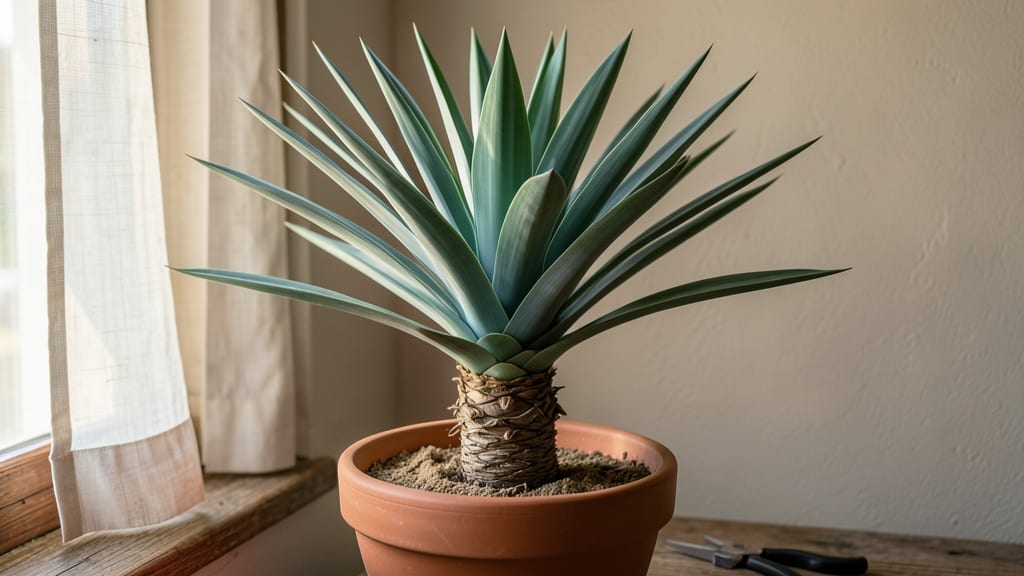
Yucca tree flowers might look like dramatic spires, but they’re actually a plant’s way of saying, "I’m thriving—even after frost." ✨ The key to reviving those post-winter blooms lies in understanding when and how to prune, which I learned the hard way after my first yucca’s spent stalks refused to rebloom.
Most gardeners assume yuccas are low-maintenance, but the real secret is timing: prune too early, and you lose next season’s flowers; too late, and you risk damaging the plant’s heart.
The right approach is simple: wait until late winter when new growth signals the plant’s ready to rebound. Grab sharp pruners, cut back dead flower stalks at the base, and avoid touching the leaves—they’re the plant’s energy factories.
My yucca now blooms every 3-4 years with minimal effort, and the architectural form stays sharp year-round. The best part? These plants handle drought, heat, and even light frosts once established, making them the ultimate low-fuss statement piece.
What you’ll end up with is a yucca that looks like it belongs in a desert landscape—bold, sculptural, and reliably blooming—without the fuss of constant care.
The flowers may seem exotic, but the care is surprisingly straightforward: prune once a year, water sparingly, and watch it thrive in full sun. Even in colder zones, yuccas bounce back with surprising resilience, proving they’re far tougher than they look.
Works for USDA zones 4-11, whether you’re in a hot desert climate or a chilly mountain town. The same principles apply: prune after frost risk passes, and your yucca will reward you with those striking, candle-like blooms for years to come.
Here’s how to make it happen without the guesswork.
📚 In This Guide
- What you need
- Instructions
- Tips and common mistakes
- Wrapping up and next steps
What you need
- ● Pruning shears – Bypass-type shears (sharp, clean blades, 6–8" length) for clean cuts. Sterilize with rubbing alcohol before use!
- ● Loppers – For thicker branches (½"–2"). Look for bypass blades and a ratcheting mechanism for ease.
- ● Garden gloves – Heavy-duty, cut-resistant (yucca leaves are sharp!). Opt for nitrile-coated for grip.
- ● Disposable pruning saw – Only if branches exceed 2" in diameter. A foldable, bypass saw works best.
- ○ Pruning sealant – Optional but helpful for large cuts (>1" diameter). Choose a latex-based or pruning wax.
- ● Rake or broom – For clearing debris afterward. A stiff-bristle broom is ideal.
- ● Hand sanitizer or soap – To clean hands post-pruning (yucca sap can irritate skin).
- ● Ladder or step stool – If your yucca is taller than 6 feet. Ensure it’s stable and non-slip!
- ● Trash bags – For disposing of pruned material. Line a bin for easy cleanup.
- ● Plant food (balanced fertilizer) – 10-10-10 or 20-20-20 to nourish the yucca after pruning. Apply 4–6 weeks later.
Step-by-Step instructions for reviving yucca tree blooms after frost
Here’s how to nurse your frost-damaged yucca back to life and coax those dramatic blooms back.
🌿 Step 1: Assess Frost Damage and Trim Dead Growth
Start by examining the plant’s structure. Frost often turns leaves brown or crispy—these are your first clues. Gently tug on any suspicious stems; if they pull away easily, they’re dead and should be removed. Use clean, sharp pruners to cut ½ inch above healthy tissue (look for green or slightly brown but firm growth). Avoid cutting into old, woody stems—this can invite rot.
I like to wait until late winter when new growth signals the plant’s still alive. If the entire top is blackened but the base feels firm, don’t panic—yuccas are tough. Just trim back to the last healthy growth node. The goal is to remove dead material while preserving the plant’s energy reserves for recovery.
✂️ Step 2: Prune for Airflow and Encourage New Growth
Once you’ve removed all dead growth, focus on shaping the plant for better airflow. Thin out crowded branches by cutting just above a leaf node—this prevents fungal issues and lets sunlight reach the center. Yuccas bloom best when they’re not overcrowded, so aim for an open, vase-like shape. If the plant looks leggy, you can also prune up to one-third of the height to encourage bushier regrowth.
Here’s the thing—yuccas bloom on mature stems, so avoid heavy pruning if you want flowers. Instead, trim only what’s necessary for health. After pruning, wipe down the cuts with a 10% bleach solution (1 part bleach to 9 parts water) to sterilize and prevent disease. Let the cuts dry for 24 hours before watering again.
☀️ Step 3: Provide Ideal Conditions for Recovery and Blooming
Yuccas thrive in full sun (6+ hours daily), but after frost, they’ll appreciate a little shade at first. Move the plant to a bright, sheltered spot (like a south-facing window or patio) for 1-2 weeks while it recovers. Once new growth appears, transition it back to full sun gradually—too much light too soon can stress a weakened plant.
Water deeply once a week during late winter, letting the soil dry out completely between waterings. Overwatering is the #1 killer of recovering yuccas—soggy roots rot easily. After 4-6 weeks, you should see fresh, green growth emerging from the base. This is your signal that the plant’s ready to bloom again, usually by late spring or early summer.
💧 Step 4: Fertilize and Monitor for Bloom Signals
Once new growth appears, feed the yucca with a balanced, slow-release fertilizer (like 10-10-10) in early spring. Apply it lightly around the base—yuccas don’t need much, but a little boost helps encourage flowering. I like to use ½ the recommended dose to avoid burning the roots. Water it in well to help the nutrients soak into the soil.
Watch for bloom stalks—they’ll emerge as tall, leafless shoots from the center of the plant. These can grow 3-6 feet tall and produce clusters of fragrant, bell-shaped flowers. If your yucca doesn’t bloom after a year, it might need more sun or a slightly larger pot. Patience is key—some yuccas take 2-3 years to flower after heavy pruning.
Tips & tricks for reviving yucca tree blooms after frost
Here’s what I’ve learned from years of bringing frost-bitten yuccas back to life—these tricks will help you avoid common pitfalls and give your plant the best chance to bloom again.
Pruning Precision: When trimming in Step 1, focus on making cuts at a 45-degree angle just above a leaf node—this encourages new growth while preventing water from pooling on the cut. I’ve seen too many yuccas develop rot because of straight cuts that collect moisture. Also, if you’re unsure whether a stem is dead, wait until late winter when new growth signals the plant’s still alive—this is the safest time to prune aggressively.
Bleach Solution Secret: That 10% bleach solution in Step 2 isn’t just for sterilization—it also helps seal the cuts slightly, reducing sap loss. Mix it fresh each time you prune, and always let the cuts dry for the full 24 hours before watering. I once skipped this step and ended up with a fungal infection that took months to clear up.
Sun Transition Strategy: The 1-2 weeks of partial shade in Step 3 is crucial, especially if your yucca was severely frost-damaged. Gradually move it back to full sun by placing it in morning sun first, then afternoon, before finally transitioning to all-day exposure. Sudden full sun can scorch newly tender leaves—trust me, I’ve seen it happen.
Fertilizer Timing: Applying that ½ dose of 10-10-10 fertilizer in early spring is perfect because it gives your yucca a gentle nutrient boost without overwhelming its recovery process. I’ve found that yuccas respond best to fertilizer when they’re already showing new growth—this ensures the nutrients go toward building strong stems for future blooms rather than just leafy regrowth.
Pro Tips for Yucca Tree Flower
- Here’s what I’ve learned from years of bringing frost-bitten yuccas back to life—these tricks will help you avoid com...
- Pruning Precision: When trimming in Step 1, focus on making cuts at a 45-degree angle just above a leaf node—this enc...
- Bleach Solution Secret: That 10% bleach solution in Step 2 isn’t just for sterilization—it also helps seal the cuts s...
Frequently asked questions
Got questions about pruning your yucca tree flower for a stunning late-winter revival? You’re not alone! Here are answers to the most common queries—from timing to troubleshooting—so you can keep your frost-resistant beauty thriving.
When is the best time to prune yucca tree flowers after frost?
Prune your yucca tree after the last frost in late winter or early spring (typically February–March in most climates). This gives the plant time to recover before new growth begins. Avoid pruning in fall—it can stimulate tender shoots that won’t survive winter freezes. Pro tip: If frost damage is severe, wait until new growth emerges before trimming dead stems.
How do I tell if a yucca tree flower stalk is dead vs. dormant?
Dead stalks are brown, brittle, and hollow when cut open, while dormant ones may appear dry but still have a slight green tint at the base. Gently bend a stalk—if it snaps easily, it’s dead. Pro tip: Use sterilized pruners to cut ¼” above a healthy bud or leaf node to encourage regrowth.
Can I prune yucca tree flowers too much? What’s the ideal amount?
Yes! Over-pruning weakens the plant. Remove only dead, damaged, or overly leggy stalks—never more than ⅓ of the plant’s foliage at once. Focus on cutting back old flower stalks (they won’t regrow) but leave healthy green stems. Pro tip: If your yucca looks sparse, prune lightly in stages over 2–3 years.
What if my yucca tree flowers don’t bloom after pruning?
Yuccas bloom based on age, sunlight, and health—not pruning. If yours skips blooms, check for full sun (6+ hours/day), well-draining soil, and adequate water (drought-stressed plants bloom less). Fertilize lightly in spring with a low-nitrogen, high-phosphorus formula (like 5-10-10) to encourage flowering. Pro tip: Patience is key—mature yuccas (5+ years old) bloom more reliably.
Are there any alternatives to pruning for encouraging yucca tree flowers?
While pruning removes dead growth, you can also boost blooms with cultural care:
- Sunlight: Move potted yuccas to sunnier spots or supplement with grow lights in winter.
- Watering: Reduce water in late summer to trigger dormancy, which can prompt spring blooms.
- Soil: Amend heavy soil with sand or gravel to improve drainage.
Pro tip: Yuccas often bloom after a drought stress period—just don’t overdo it!
Wrapping up and next steps
Reviving your yucca tree flower with late-winter pruning is a rewarding way to encourage vibrant blooms and maintain a healthy, frost-resistant plant! 🌿 By following the right techniques—like trimming dead growth, shaping for airflow, and timing cuts strategically—you’re not just pruning; you’re setting the stage for a stunning spring display.
Remember, patience and precision pay off, especially with these hardy beauties.
Ready to give your yucca the TLC it deserves? Grab your tools, mark your calendar for late winter, and get pruning! Your future blooms will thank you—literally. 🌸