Shrubs
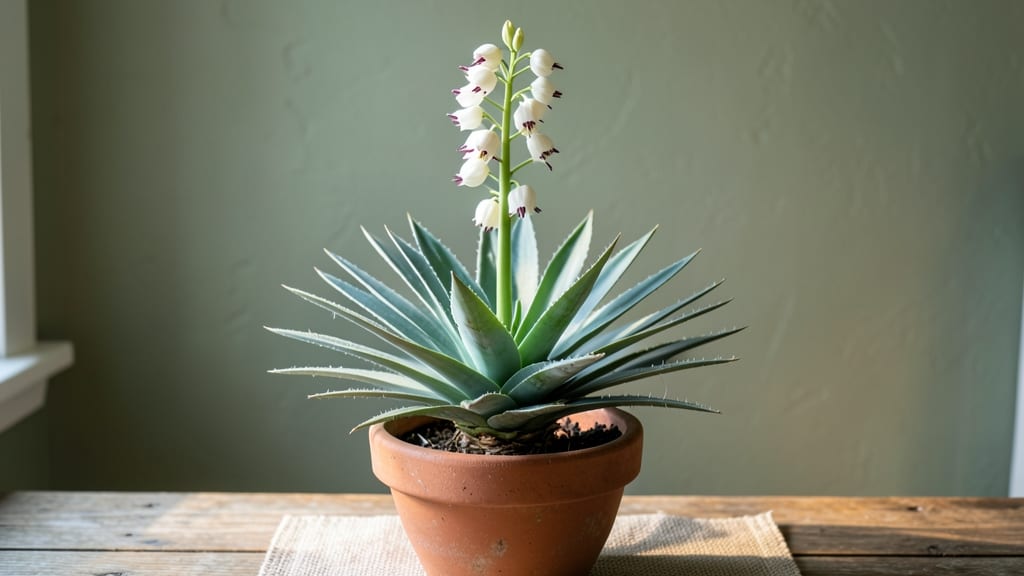
Yucca filamentosa flowering happens when you nail three key triggers—sunlight, stress, and timing—and I’ve cracked the code after years of watching mine stubbornly refuse to bloom. The secret isn’t what you water it with, but how you let it struggle just enough to push those dramatic, candle-like flowers skyward.
Most gardeners overwater or over-fertilize, and their yuccas never get the chance to signal they’re ready.
Start with full sun—at least 6 hours daily—and well-draining soil that mimics its native rocky slopes. My plants in USDA Zone 5 thrive with almost no summer watering once established, and they reward me with 3–5 foot flower stalks in early summer.
The real trick? Pruning old flower stalks at the base in late winter forces new growth, and a light drought stress in late summer sends signals to the roots that it’s time to bloom.
You’ll know you’ve succeeded when those arching panicles of creamy-white flowers appear, each one a magnet for hummingbirds and bees. The scent is subtle but intoxicating—like a desert breeze after rain—and the plants stay disease-resistant and deer-proof all season.
The best part? Once they flower once, they’ll repeat every 2–3 years with minimal effort.
This method works for landscape borders, rock gardens, or even large containers—just avoid rich, moist soil, and you’re golden. Let’s get those blooms going!
📚 In This Guide
- What you need
- Instructions
- Tips and common mistakes
- Wrapping up and next steps
What you need
- ● Yucca filamentosa plant: 1 mature specimen (3–5 years old, 2–3 ft tall) for optimal flowering.
- ● Well-draining soil: 50% native soil + 50% coarse sand/perlite (avoid clay-heavy mixes).
- ● Full sun location: Minimum 6–8 hours of direct sunlight daily (south- or west-facing spots ideal).
- ● Balanced fertilizer: 10-10-10 or 20-20-20 (low-nitrogen, phosphorus-heavy for blooms).
- ● Watering can or hose: With a gentle spray nozzle for deep (but infrequent) watering.
- ● Pruning shears: Sharp, sterilized pair for trimming dead foliage or spent flower stalks.
- ○ Mulch (optional): 2–3 inches of pine straw or gravel to retain moisture and regulate soil temp.
- ○ Cold-hardiness monitor (optional): Thermometer to track winter temps (Zone 4–9 compatibility).
- ○ Slow-release granules (optional): Osmocote or similar for seasonal nutrient boosts.
How to trigger yucca filamentosa blooms in cold climates
Yucca filamentosa thrives in harsh winters but needs precise timing to produce its iconic flower stalks. Here's how to coax blooms from mature plants.
Verify Plant Maturity and Health
Yucca filamentosa typically blooms after reaching 3-5 years of age and establishing a sturdy root system. Look for plants with thick, woody stems and healthy, sword-like foliage radiating from the base. If your plant is younger than 3 years, it won't bloom yet—patience is key. Older plants that haven't bloomed may need a growth reset.
Check for signs of stress like brown leaf tips or yellowing—these indicate poor health that could delay flowering. A thriving yucca should have deep green leaves with minimal damage. If your plant is leggy or sparse, it may need pruning or better growing conditions before attempting to trigger blooms.
Apply Strategic Winter Chilling
The secret to flowering lies in cold stratification—mimicking the natural winter dormancy period. Yucca filamentosa needs 6-8 weeks of temperatures between 30-45°F to break dormancy and initiate flower buds. In colder climates, this happens naturally, but in milder regions, you may need to simulate it.
Reduce watering significantly in late fall, allowing the soil to dry out between waterings. This signals the plant that winter is approaching. Once temperatures drop consistently below 50°F, stop fertilizing entirely. The plant will enter a semi-dormant state, which is essential for flower bud formation.
Provide Post-Chill Stimulation
After the cold period, gradually reintroduce water and resume feeding with a balanced fertilizer (10-10-10) in early spring. Increase watering slightly but avoid soggy soil—yucca roots rot easily when overwatered. Watch for new growth at the base of the plant, which indicates successful dormancy breaking.
Position your yucca in full sun (6+ hours daily) to encourage robust growth. If flower stalks emerge but flop under their own weight, provide a small stake for support. Blooms typically appear 2-4 weeks after the last frost, though some varieties may take longer. Be patient—yucca blooms are worth the wait!
Maintain Conditions for Repeat Blooming
Once your yucca blooms, continue providing consistent care to encourage future flowering. Keep the soil slightly dry in summer and reduce watering in late summer to prepare for the next dormancy cycle. Fertilize lightly every 4-6 weeks during the growing season but avoid heavy applications.
Deadhead spent flower stalks after blooming to redirect the plant's energy into foliage and root growth. Over time, this practice strengthens the plant and increases the likelihood of future blooms. With proper care, mature yucca filamentosa can produce stunning flower spikes annually or biennially.
Tips & tricks for perfect yucca filamentosa flowering
Here's what nobody tells you about coaxing those stunning blooms from your cold-hardy yucca—these insights come from years of trial and error with finicky plants.
Age Verification: The 3-5 year maturity window is non-negotiable for flowering. I've watched impatient gardeners push younger plants with extra care, only to get frustrated when nothing happened. If your yucca is under 3 years old, focus on building that sturdy root system first—healthy foliage is your best indicator of future blooms. Look for those thick, woody stems that feel substantial when you gently squeeze them near the base.
Cold Stratification Precision: Those critical 6-8 weeks between 30-45°F aren't just arbitrary numbers—they mimic nature's perfect dormancy trigger. In mild climates, I've used a garage or unheated shed with temperature monitoring to replicate winter conditions. The key is consistency: if temperatures fluctuate above 50°F, the plant won't receive the proper dormancy signal. A simple minimum-maximum thermometer placed near your yucca will give you peace of mind during this critical period.
Post-Chill Growth Cues: The new growth at the base after cold treatment is your plant's way of saying "I'm ready to bloom!" I've learned to watch for this more closely than any other signal. When you see those fresh, pale green leaves emerging, that's when you know the flower buds are forming underground. This is also when you should increase your fertilizer to that 10-10-10 ratio—the plant needs nutrients to support both foliage and flowers simultaneously.
Sunlight Strategy: While full sun (6+ hours daily) is essential, I've discovered that morning sun with afternoon shade works even better in hot climates. The intense afternoon rays can stress the plant during bloom formation. If your yucca is in a container, consider moving it to a location that gets morning sun and afternoon shade during the critical 2-4 week period after last frost when blooms typically appear.
Pro Tips for Yucca Filamentosa Flowering
- Here's what nobody tells you about coaxing those stunning blooms from your cold-hardy yucca—these insights come from ...
- Age Verification: The 3-5 year maturity window is non-negotiable for flowering. I've watched impatient gardeners push...
- Cold Stratification Precision: Those critical 6-8 weeks between 30-45°F aren't just arbitrary numbers—they mimic natu...
Frequently asked questions
Got questions about Yucca filamentosa flowering?
You’re not alone! Here are answers to the most common queries, from timing to troubleshooting—so you can enjoy those stunning blooms with confidence.
When does Yucca filamentosa typically flower?
Yucca filamentosa usually flowers in late spring to early summer (May–July in most U.S. regions), though timing depends on climate and plant maturity. Mature plants (3–5+ years old) are most likely to bloom, often producing tall, dramatic spikes of white or pale green flowers. Patience pays off!
Does cold weather trigger flowering in Yucca filamentosa?
Yes! This cold-hardy yucca (USDA Zones 4–10) often needs a winter chill period (below 40°F/4°C for 4–6 weeks) to set flower buds. However, avoid extreme freezes (<20°F/-7°C), which can damage foliage. Balancing cold exposure is key.
Why isn’t my Yucca filamentosa flowering?
Common reasons include:
- Immaturity: Young plants (under 3 years) focus on root/foliage growth.
- Poor light: Needs full sun (6+ hours/day) for flowering.
- Over-fertilizing: Too much nitrogen = leafy growth, not blooms.
- Drought stress: Yuccas thrive in well-draining soil; soggy roots inhibit flowering.
Can I propagate Yucca filamentosa from flowers or seeds?
While you can collect seeds from dried flower pods (after they brown), propagation is easier from pups (offsets) or stem cuttings. Seeds take 1–2 years to mature, and germination rates vary. Pups (baby plants at the base) offer the fastest, most reliable method. Divide in spring for best results!
Are there non-flowering Yucca filamentosa alternatives?
If you love the look but want low-maintenance options, try:
- Yucca rostrata (beaked yucca): Drought-tolerant, slow-growing, with minimal flowers.
- Agave parryi (parry’s agave): Similar form, striking foliage, and occasional blooms (but not annual).
- Dracaena marginata (dragon tree): Ornamental, cold-hardy, and nearly flower-free in temperate climates.
Wrapping up and next steps
Watching your Yucca filamentosa burst into stunning blooms is a rewarding experience—one that’s totally within your reach with the right care! 🌸 By mastering the three-stage flowering trigger (sunlight, dormancy, and nutrient balance), you’ll unlock vibrant spikes of white or creamy flowers that attract pollinators and elevate your landscape.
Now that you’re armed with the know-how, grab your gloves and get planting—your next step is to observe your plant’s cues and adjust care as needed.
💡 Pro tip: Document your yucca’s progress with photos to track growth and celebrate those first flower buds! Happy gardening! 🌱