Flowers
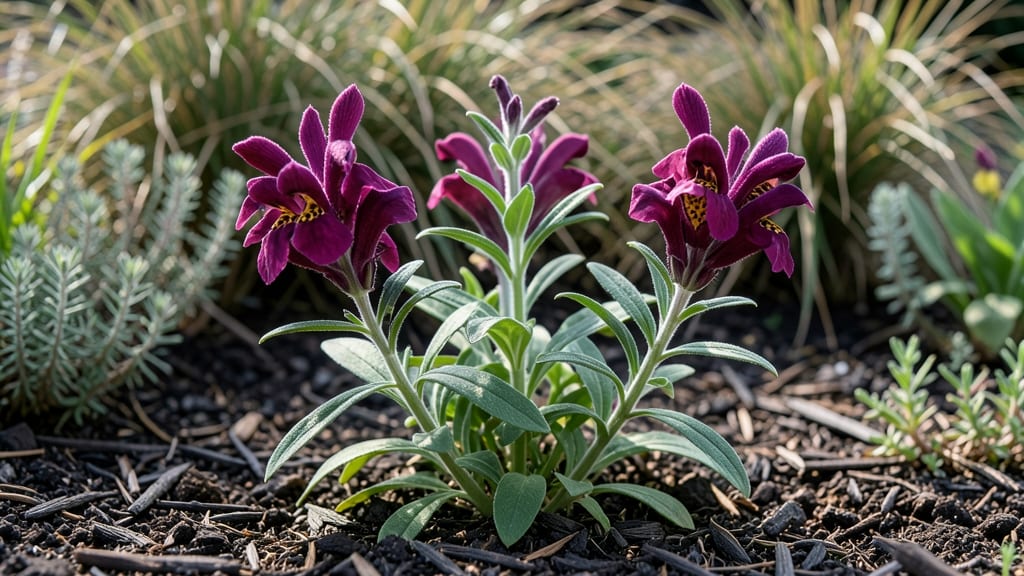
Snapping dragon flowers turn containers into living vertical waterfalls of color. 🌸 I remember the first time I saw them—those snap-open blooms and the way they cascade like tiny, fragrant curtains.
They’re one of the easiest flowers to grow in pots, yet they pack a punch with their bold faces and vibrant hues.
The secret to their drama lies in the right setup: well-draining soil, a sunny spot, and a sturdy container to support their 3-foot-tall stems. You’ll need basic supplies—potting mix, a container with drainage, and a little patience as they establish.
Once they take hold, they’ll reward you with blooms from early summer until frost.
What you’ll love most is how they transform any space. The blooms snap open when you gently squeeze them, revealing intricate patterns inside—kids and adults alike can’t resist playing with them. With proper care, you’ll enjoy weeks of continuous blooms, and the fragrance will draw pollinators to your garden.
Whether you’re a beginner or a container gardening pro, snapping dragons adapt beautifully to pots, hanging baskets, or window boxes. Let’s get you growing these showstoppers with confidence—no green thumb required!
📚 In This Guide
- What you need
- Instructions
- Tips and common mistakes
- Wrapping up and next steps
What you need
- ● Seeds: High-quality snapping dragon flower seeds (choose a variety like 'Sutton’s Improved' or 'Ruby' for vibrant colors). Quantity: 10–20 seeds per container (or 1 seed per cell if starting in trays).
- ● Containers: Recommended sizes: 6–12 inches deep and wide (for single plants) or larger (12+ inches) for clusters.
- ● Drainage: Ensure pots have drainage holes to prevent root rot.
- ● Potting Mix: Well-draining, lightweight mix (e.g., 60% peat/compost + 30% perlite + 10% sand). Quantity: Enough to fill your containers to ~1 inch from the rim.
- ● Slow-Release Fertilizer: Balanced granular fertilizer (10-10-10 or 14-14-14). Quantity: 1–2 tbsp per container, mixed into the soil.
- ○ Gloves: Gardening gloves (optional but recommended for handling soil/seeds).
- ● Trowel or Spade: For transplanting seedlings or mixing soil.
- ● Spray Bottle: For gentle watering of seeds (to avoid displacing them).
- ○ Twine or Stakes: (Optional) For tall varieties—use 12–18" stakes or twine to support vertical growth.
- ● Sunlight Location: A spot with full sun (6+ hours daily) or partial shade (4–6 hours) for cooler climates.
- ● Watering Can or Hose: With a fine nozzle for consistent moisture.
- ● 🌡️ Temperature: Start seeds indoors 6–8 weeks before the last frost (ideal soil temp: 60–70°F).
- ● 🎯 Spacing: Thin seedlings to 6–12 inches apart in containers to avoid overcrowding.
- ● ✨ Deadheading: Pinch off spent blooms to encourage continuous flowering!
Step-by-Step guide to cultivating snapping dragon flowers in containers
Here's how to transform your patio into a vertical garden wonderland with these striking blooms.
🪴 Step 1: Select and Prepare Your Containers
Choose containers with at least 12 inches of depth and drainage holes—snapping dragons (Antirrhinum) thrive when their roots aren't waterlogged. I prefer terra cotta pots because they wick away excess moisture naturally, but any fiberglass or plastic container with good drainage works too. For 4 plants, you'll need 4 containers (or one large container with 12-inch spacing between plants).
Fill the bottom 2 inches with gravel or perlite to create a drainage layer. This prevents root rot, which is the #1 killer of container-grown snapping dragons. Next, add a 2-inch layer of well-draining potting mix—I like a blend of 50% peat moss, 30% perlite, and 20% compost. This ensures aeration while retaining enough moisture for deep roots.
🌱 Step 2: Plant Seeds or Transplants at the Right Time
Start seeds 8-10 weeks before your last frost date indoors or direct-sow after all danger of frost has passed in spring. For 4 plants, you’ll need 4 seeds per container (thin to the strongest seedling later). Press seeds ¼ inch deep into the soil—any deeper, and they’ll struggle to surface. Cover lightly with additional potting mix, then mist gently until the surface is damp but not soggy.
If using transplants, choose healthy, stocky seedlings with 3-4 sets of leaves—avoid leggy or pale ones. Plant them 1 inch deeper than their nursery pot to encourage strong root growth. Water immediately after planting to settle the soil around the roots. Keep containers in a shady spot for 3-5 days to reduce transplant shock before moving to full sun.
☀️ Step 3: Provide Optimal Light and Watering
Snapping dragons crave full sun (6-8 hours daily) for the boldest blooms, but they’ll tolerate partial shade in hot climates. Place containers where they’ll get morning sun and afternoon shade if temperatures exceed 85°F. In containers, they dry out faster than in-ground plants, so water when the top inch of soil feels dry—usually every 2-3 days in summer. Let water run through the drainage holes completely; empty the saucer afterward to prevent soggy roots.
Here’s the thing—overwatering is worse than underwatering for these plants. Yellowing leaves usually mean too much moisture, while crispy edges signal thirst. I like to water deeply in the morning so foliage dries by evening, reducing fungal risks. Fertilize every 4 weeks with a balanced liquid fertilizer (10-10-10) diluted to half strength—this keeps blooms vibrant without encouraging leafy growth at the expense of flowers.
✂️ Step 4: Prune and Deadhead for Continuous Blooms
Pinch back the tips of new growth when plants are 4-6 inches tall to encourage bushier, fuller plants. This is where snapping dragons get their signature vertical drama—pruning triggers lateral branches that cascade beautifully. Use clean, sharp scissors to snip just above a set of leaves, and never cut more than ⅓ of the plant at once. You’ll see new shoots emerge within 2-3 weeks—that’s your reward for patience.
Deadhead spent blooms weekly by snipping the flower stem just below the faded bloom. This redirects the plant’s energy into producing more flowers instead of seed pods. I also trim leggy stems that grow too long—these often flop over and look unkempt. With regular pruning, your snapping dragons will bloom continuously from spring until frost, making them one of the most reliable container annuals.
🌿 Step 5: Extend the Season with Simple Care
To keep snapping dragons blooming until first frost, mulch the soil surface with 1 inch of shredded bark or straw in late summer. This insulates roots and retains moisture as temperatures drop. If you’re in a warmer climate, you can overwinter them by moving containers to a protected spot (like a garage or under eaves) and reducing watering to once every 10-14 days. They’ll go dormant but often rebound the next spring.
Here’s a pro tip: Rotate containers every 2 weeks so plants grow evenly toward the light. You’ll notice one side getting lopsided if you skip this—snapping dragons stretch toward the sun like sunflowers. With this care, your 4-container display will be a vertical masterpiece, drawing eyes upward with its bold, snap-dragon-shaped blooms all season long.
Tips & tricks for stunning snapping dragon containers
Here's what I've learned after years of growing these vertical showstoppers—details that make all the difference between pretty and spectacular.
Container Size Matters: Those 12-inch-deep containers aren't arbitrary—they accommodate snapping dragons' deep root systems. If you're tempted to use shallower pots, think twice: shallow containers dry out faster and can't support the plant's vertical growth habit. For the 4 plants you're growing, stick with the recommended spacing or container count to prevent competition for nutrients and light.
Seed Starting Secret: When starting seeds indoors 8-10 weeks before your last frost, use a heat mat set to 70°F. This jumpstarts germination, which can be slow in cooler conditions. The seeds need warmth to break dormancy—without it, you might wait weeks for those first sprouts. Place containers under grow lights (12-14 hours daily) until seedlings develop their first true leaves.
Light Management: The 6-8 hours of full sun requirement is non-negotiable for vibrant blooms, but here's the trick: if your plants start wilting in summer heat (above 85°F), move them to morning sun only. The afternoon sun intensifies when temperatures climb, and snapping dragons can't handle that midday heat. A sheer curtain can diffuse harsh light while maintaining the necessary sunlight exposure.
Pruning Precision: When you pinch back those 4-6 inch plants in Step 4, focus on the main stem just above a set of leaves where new growth will emerge. This isn't about heavy pruning—it's about encouraging branching. I use my fingernail to gently pinch rather than cutting, which reduces stress on the plant. The 2-3 week wait for new shoots is worth it for that lush, cascading effect.
Pro Tips for Snapping Dragon Flower
- Here's what I've learned after years of growing these vertical showstoppers—details that make all the difference betw...
- Container Size Matters: Those 12-inch-deep containers aren't arbitrary—they accommodate snapping dragons' deep root s...
- Seed Starting Secret: When starting seeds indoors 8-10 weeks before your last frost, use a heat mat set to 70°F. This...
Frequently asked questions
Got questions about growing snapping dragon flowers?
You’re not alone! Here are answers to the most common queries to help you cultivate these eye-catching plants with confidence.
How fast do snapping dragon flowers grow?
These plants are fast growers! With the right conditions, you can expect 1–2 feet of vertical growth per season. Some varieties even reach 6–8 feet tall in just a few months. For container gardening, prune regularly to encourage bushier growth and prevent toppling.
When is the best time to plant snapping dragon flowers?
Plant seeds or transplants after the last frost when soil temperatures hit at least 60°F (15°C). In warmer climates, start in early spring; cooler zones may wait until late spring. For containers, ensure pots have drainage holes to prevent root rot.
Can snapping dragon flowers grow in containers?
These plants thrive in containers with at least 12–18 inches of depth. Use well-draining soil and a pot with a trellis or stakes for support. Just ensure your container gets 6+ hours of sunlight daily—they love it bright!
What pests or diseases should I watch for?
Keep an eye out for aphids, spider mites, and powdery mildew, especially in humid conditions. Remove affected leaves promptly and spray with neem oil if needed. Good airflow (via pruning) helps prevent fungal issues. Healthy soil and consistent watering reduce most problems.
Why aren’t my snapping dragon flowers blooming?
If your plants are lush but flowerless, check these fixes:
- Light: They need full sun (6+ hours/day). Move to a sunnier spot if indoors.
- Fertilizer: Use a balanced, low-nitrogen feed (like 10-10-10) during blooming season.
- Pruning: Trim leggy stems to encourage bushier growth and more flowers.
Wrapping up and next steps
The snapping dragon flower is a stunning, low-maintenance addition that brings vertical drama to any container garden. With its vibrant blooms and easy care, it’s perfect for adding bold color and texture—whether you’re a seasoned gardener or just starting out. 🌸
Ready to transform your space? Start small—pick a sunny spot, gather your supplies, and plant your first snapping dragon. Watch it thrive, and soon, you’ll be sharing your green thumb success with neighbors (and maybe even winning a few "best container garden" awards!). Happy growing! 🌱