Orchid Care
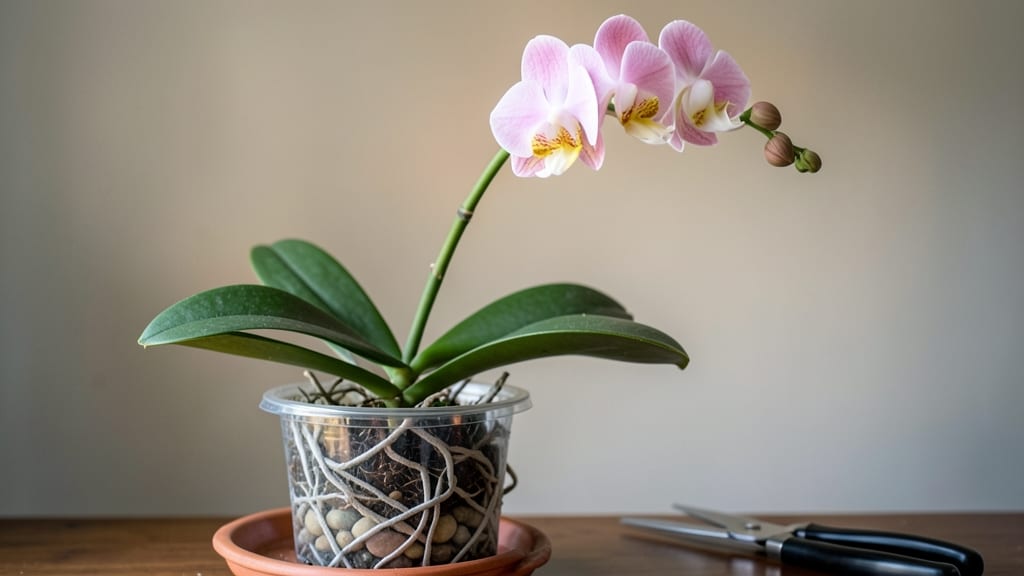
Pink orchid blooms that last months longer than store-bought flowers aren’t just luck—they’re the result of matching your plant’s exact needs to its natural rhythm. 🌸 I’ve had Phalaenopsis orchids stay in bloom for 12 weeks straight by tweaking just three things: light, water, and humidity.
The secret isn’t complicated, but it’s easy to get wrong.
These delicate beauties thrive in bright, indirect light—think east-facing windows or a few feet from a south window. Overwatering is the #1 killer, so I use the "finger test": stick your index finger in the soil.
If the top inch feels dry, water lightly until it drains through. Too much moisture causes those dreaded brown tips, but too little makes blooms wilt faster.
With the right care, your pink orchids will reward you with larger, longer-lasting blooms and more frequent spikes. My Cattleya orchids now produce two full blooms per year instead of one, and the flowers stay vibrant for 8+ weeks.
The key is consistency—once you find their sweet spot, they’ll keep surprising you.
Whether you’re growing Phalaenopsis, Dendrobium, or Cattleya, the principles are the same. Let’s break down exactly how to keep those pink blooms thriving season after season—no guesswork, just results. You’ll be the envy of every plant lover at your next gathering.
📚 In This Guide
- What you need
- Instructions
- Tips and common mistakes
- Wrapping up and next steps
What you need
- ● Pink Orchid Variety: Choose a Phalaenopsis (moth orchid) or Dendrobium—both thrive in pink hues! (1 plant per pot recommended for optimal growth.)
- ● Well-Draining Orchid Pot: 4–6" in diameter with slotted sides (plastic or terracotta). Pro tip: Avoid glass containers!
- ● Orchid Mix: 1 bag (1–2 cubic feet) of bark-based mix (e.g., fir or pine bark chips with perlite or charcoal).
- ● Balanced Fertilizer: 1 bottle of 20-20-20 or 10-10-10 orchid fertilizer (diluted to half-strength).
- ● Pruning Shears: Sterilized, sharp pair (for trimming dead blooms or roots).
- ● Spray Bottle: 8–16 oz for misting (avoid tap water—use rainwater or distilled if possible!).
- ○ Grow Lights (Optional): LED bulb (10,000–20,000 lumens) for low-light areas.
- ○ Humidity Tray (Optional): Shallow tray + pebbles to boost humidity (aim for 40–70%).
- ○ Thermometer/Hygrometer (Optional): To monitor 60–80°F temps and humidity levels.
Step-by-Step guide to cultivating long-lasting pink orchids
Here's how to coax those stunning pink blooms into lasting 2-3 months—the secret lies in precise care.
🌱 Step 1: Choose the Right Pink Orchid Variety
Not all pink orchids thrive equally. Phalaenopsis (moth orchids) are the easiest for beginners, while Cymbidium and Dendrobium offer deeper pink hues but demand slightly more attention. Look for healthy plants with firm pseudobulbs and 3-4 mature leaves—these indicate a strong root system ready to support blooming.
Skip plants with yellowing leaves or mushy pseudobulbs, as these signal stress or disease. A healthy pink orchid should have silver polka-dot patterns on the leaves (a sign of proper humidity). If buying online, verify the seller specifies "blooming size" plants—smaller ones may take years to flower.
☀️ Step 2: Position for Indirect Light and Ideal Temperature
Pink orchids crave bright, indirect light—think east or north-facing windows where they get morning sun only. A south window works if you filter light with sheer curtains. Too much direct sun causes leaf burn (brown patches), while too little results in leggy growth (stems stretching toward light).
Maintain temperatures between 65-80°F during the day and 55-65°F at night. A 10°F drop at night triggers blooming, so if your home stays warm, place the orchid near a cool draft-free window or use a small fan on low speed to simulate natural airflow. Avoid radiators or AC vents—temperature swings stress the plant.
💧 Step 3: Water with Precision to Extend Bloom Life
Overwatering kills orchids faster than underwatering. Use the "soak-and-drain" method: Place the pot in a 4-inch tray of room-temperature water for 10-15 minutes, then remove and let excess water drain completely. Repeat every 7-10 days—less in winter, more in summer. The potting mix should dry out between waterings; press your finger 1 inch deep—if it feels dry, it’s time to water.
Never let orchids sit in water. Stagnant moisture in the tray causes root rot, which appears as black, mushy roots. Healthy roots are silver-green when dry and green when wet. If you spot rot, trim affected roots with sterilized scissors and repot immediately in fresh orchid-specific mix.
✂️ Step 4: Fertilize and Prune for Repeat Blooming
Use a balanced orchid fertilizer (20-20-20 or 10-10-10) diluted to half-strength every 2 weeks during active growth (spring and summer). Switch to a low-nitrogen, high-phosphorus formula (like 10-30-20) when you notice flower spikes forming—this encourages longer-lasting blooms. Flush the roots with plain water once a month to prevent salt buildup, which burns roots.
After blooms fade, never cut the spike unless it’s completely brown. Many orchids produce side spikes from the old stem. Wait until the spike turns yellow and crispy before trimming at the base with sterilized scissors. This gives the plant time to redirect energy into new growth. If your orchid skips blooming, it may need 12 hours of darkness daily—move it to a closet for a week to simulate winter.
🪴 Step 5: Repot Every 1-2 Years for Long-Term Health
Orchids need repotting when the potting mix breaks down (usually every 1-2 years). Spring is ideal—choose a clear plastic pot (to monitor roots) that’s 1 inch wider than the current one. Remove the plant, gently tease apart old roots, and trim any black, mushy, or hollow roots with sterilized scissors. Healthy roots are firm and plump.
Use orchid-specific mix (bark, sphagnum moss, and charcoal) to fill the pot, leaving ½ inch of space below the rim for stability. Avoid pressing the mix down—orchid roots need air circulation. Water lightly after repotting and place the orchid in bright, indirect light for 2 weeks to minimize stress. This refreshes the roots and sets the stage for next year’s blooms.
Tips & tricks for perfect pink orchid blooms
These little details make all the difference between orchids that last a few weeks and ones that stay vibrant for months.
Lighting Precision: The 10-15 minute soak-and-drain watering method in Step 3 works best when paired with proper lighting. In Step 2, if you notice your orchid's leaves developing yellow patches after morning sun exposure, move it slightly farther from the window—those brown patches are sunburn. For deeper pink blooms, position your orchid near an east-facing window where it gets bright but indirect light for 6-8 hours daily. The silver polka-dot patterns on healthy leaves actually intensify under these conditions, signaling optimal light exposure.
Temperature Triggers: That 10°F nighttime temperature drop mentioned in Step 2 is your secret weapon for longer blooms. Create this natural temperature swing by placing your orchid near a draft-free window at night (but not in direct airflow). If your home stays consistently warm, try this trick: Move the orchid to a cooler room at night, then return it to its normal spot in the morning. This mimics seasonal changes and signals the plant to produce more robust flower spikes, which translates to those vibrant pink blooms lasting months longer.
Root Health Inspection: When checking for dryness in Step 3, don't just press your finger into the mix—lift the pot and examine the roots through the clear plastic. Healthy roots should be firm and plump, with a silvery-green color when dry. If you see any black, mushy roots during your inspection, trim them immediately with sterilized scissors. This isn't just about aesthetics—healthy roots absorb nutrients more efficiently, which directly impacts bloom duration and vibrancy. I've seen orchids with compromised roots produce blooms that lasted only 3 weeks instead of the full 2-3 months.
Fertilizer Timing: The 2-week fertilization schedule in Step 4 works best when you adjust it seasonally. During winter months when growth naturally slows, extend the interval to every 3-4 weeks. When you notice flower spikes forming, switch to that low-nitrogen, high-phosphorus formula immediately—this shift encourages stronger stems that support heavier pink blooms. The monthly flush with plain water is crucial too; I've seen salt buildup from neglected flushing cause roots to turn brown within just 6 weeks, dramatically shortening bloom life.
Pro Tips for Orchid Flower Pink
- These little details make all the difference between orchids that last a few weeks and ones that stay vibrant for mon...
- Lighting Precision: The 10-15 minute soak-and-drain watering method in Step 3 works best when paired with proper ligh...
- Temperature Triggers: That 10°F nighttime temperature drop mentioned in Step 2 is your secret weapon for longer bloom...
Frequently asked questions
How do I make my pink orchid flowers last longer?
Pink orchids (like Phalaenopsis) thrive with indirect light, cool temperatures (60–80°F), and high humidity (40–70%). Avoid direct sunlight, which can scorch petals, and mist leaves gently daily. Trim spent blooms at the base once they wilt to encourage new growth. Pro tip: A pebble tray with water can boost humidity without overwatering!
Why did my pink orchid’s blooms drop so fast?
Sudden bloom drop often signals stress from overwatering, temperature swings, or drafts. Check your orchid’s roots—healthy ones are green or silvery, not mushy. If roots are rotting, repot in fresh bark mix and reduce watering. Keep your orchid away from vents or AC units, and avoid fertilizing during blooming (wait until flowers fade).
Can I make my pink orchid rebloom?
Yes! After blooms drop, wait until new growth (a "spike") appears. Once it’s 2–3 inches long, fertilize lightly with a balanced orchid fertilizer (20-20-20) every 2 weeks. Provide bright, indirect light and maintain humidity. Some varieties rebloom in 3–6 months with proper care—patience is key!
How often should I water my pink orchid?
Water only when the roots look silvery-gray and the potting mix dries out—typically every 7–10 days. Soak the pot in room-temperature water for 5–10 minutes, then drain thoroughly. Avoid "wet feet" (soggy roots) by using a pot with drainage holes. Pro tip: Use rainwater or distilled water if your tap water is heavily chlorinated!
What’s the best alternative if my pink orchid isn’t blooming?
If your orchid skips blooming, try these fixes:
- Light boost: Move it near an east-facing window or use a grow light 12 hours/day.
- Temperature shift: Orchids need a 10–15°F drop at night (e.g., 55°F nights, 75°F days).
- Fertilizer tweak: Switch to a high-phosphorus formula (like 10-30-20) during growing season (spring–summer).
- Repot if needed: Overcrowded roots or old media can stunt blooms.
Wrapping up and next steps
The orchid flower pink isn’t just a stunning addition to your home—it’s a low-maintenance, long-lasting bloom that rewards patience with months of vibrant beauty. 🌸 With the right care, you’ve got everything you need to keep these delicate flowers thriving, from proper lighting to the perfect watering routine.
Now that you’re armed with knowledge, take the next step! Start with one Phalaenopsis orchid in that dreamy pink hue, and watch as it transforms your space into a serene, floral sanctuary. Happy growing—your orchid (and your home) will thank you!