Flowers
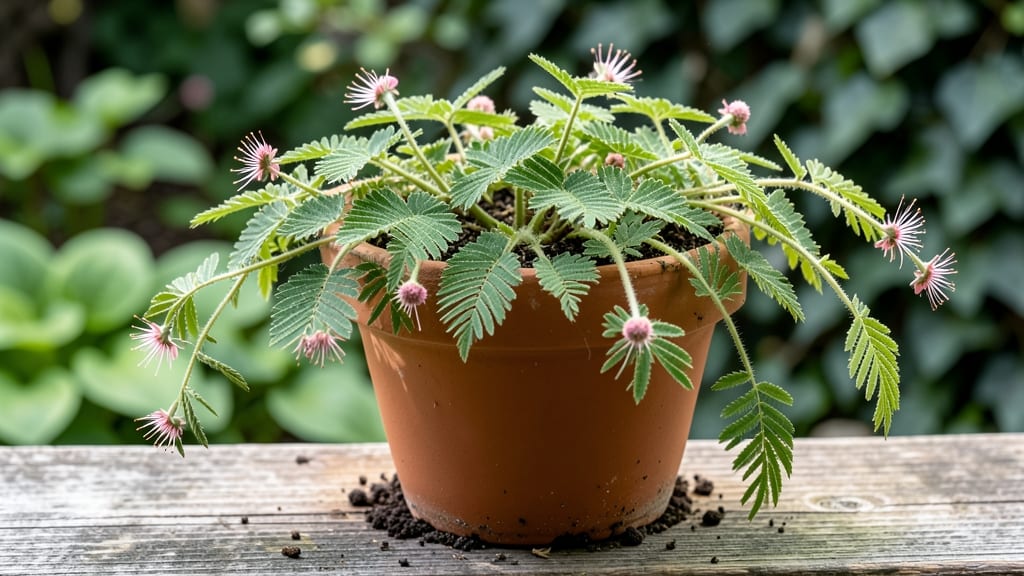
The mimosa pudica flower isn’t just a plant—it’s a living curiosity that folds its leaves at the slightest touch. 🌿 I grew mine from a single seedling last spring, and watching those delicate fronds recoil like shy children still makes me smile.
This isn’t just a novelty; it’s a low-maintenance, drought-tolerant wonder that thrives in containers or garden beds.
Sunlight and soil are its only demands: bright indirect light (or morning sun) and well-draining, sandy soil. Overwatering is the real enemy—let the top inch dry between drinks.
Propagation is a breeze too: snip healthy stems, root in water, and transplant once established. Even kids can grow these without fear of failure.
By summer, you’ll have a lush, velvety ground cover with tiny pink flowers that perfume the air at dusk. The leaves stay sensitive for years, making it a conversation starter. Perfect for classrooms, fairy gardens, or simply as a quirky centerpiece that reacts to visitors. Ready to grow one?
Outdoor plants handle heat better than indoor ones, but both adapt with patience. Just watch for spider mites—mist leaves weekly to deter them. The payoff? A garden that moves when you do. Let’s get growing!
📚 In This Guide
- What you need
- Instructions
- Tips and common mistakes
- Wrapping up and next steps
What you need
- ● Mimosa pudica seeds: 5–10 seeds (ensure they’re fresh for best germination rates).
- ● Seed-starting mix: 1–2 cups of lightweight, well-draining potting soil (or coco coir for moisture control).
- ● Small pots or seed trays: 2–4 (3–4 inches deep) with drainage holes.
- ● Spray bottle: For gentle watering (avoid over-saturating seeds).
- ● Clear plastic wrap or humidity dome: To create a mini greenhouse effect.
- ● Grow lights or sunny windowsill: Mimosa pudica loves bright, indirect light (6+ hours/day).
- ○ Humidity tray (optional but helpful): A shallow tray with pebbles and water to boost moisture.
- ● Tweezers or small spoon: For handling delicate seeds.
- ● Misting sprayer: Keeps soil evenly moist without drowning seeds.
- ● Fertilizer (balanced, water-soluble): Diluted to half-strength (e.g., 10-10-10) once seedlings sprout.
- ● Pruning shears: For trimming leggy growth (sterilize with rubbing alcohol).
- ○ Support stakes or trellis: Optional for climbing varieties (though Mimosa pudica stays compact).
- ○ Glove (optional): The plant’s leaves fold at touch—wear one if you’re sensitive to the "surprise" reaction!
Step-by-step instructions for growing mimosa pudica indoors
Here's how to cultivate these fascinating, touch-sensitive plants with minimal fuss.
🌱 Step 1: Prepare the Growing Medium
Mimosa pudica thrives in well-draining, airy soil that mimics its natural sandy habitat. Mix 50% potting soil with 50% perlite or coarse sand to create a light, fast-draining blend. Avoid heavy garden soil—it compacts easily and causes root rot, which this plant despises.
Fill a 6-inch diameter pot (or larger) with your mix, leaving ½ inch of space at the top. Tap the pot gently to settle the soil, but don't pack it down. The surface should feel loose enough that your finger sinks in slightly when pressed. This ensures roots get the air they need to grow strong.
💧 Step 2: Plant Seeds or Transplants Correctly
If starting from seed, scatter them lightly on the soil surface—don't bury them. Mimosa pudica seeds need light to germinate, so pressing them just ¼ inch deep is plenty. Cover the pot with a clear plastic dome or wrap it in plastic wrap to retain moisture and warmth. Place it in a spot with 70-75°F temperatures for fastest germination.
For transplants, gently remove the plant from its nursery pot and place it in your prepared mix, ensuring the top of the root ball sits ½ inch below the soil line. Water lightly to settle the soil around the roots, but avoid soaking—this plant hates soggy conditions. You'll know moisture is right when the soil feels damp 1 inch down but not wet.
☀️ Step 3: Position for Optimal Light and Growth
Mimosa pudica needs bright, indirect light for at least 6-8 hours daily. A south- or west-facing window works well, but avoid harsh midday sun, which can scorch the delicate leaves. If your plant starts stretching toward the light (a sign it's not getting enough), move it closer to the window or supplement with a grow light kept 12-18 inches away.
Watch for leggy growth—thin, pale stems with leaves spaced far apart. This is your cue to adjust light or rotate the pot a quarter turn daily so the plant grows evenly. The ideal mimosa pudica has compact, bushy foliage with vibrant green leaves that fold shut when touched.
🌿 Step 4: Water and Maintain Proper Humidity
Water your mimosa pudica when the top inch of soil feels dry to the touch. This plant is drought-tolerant once established, but it needs consistent moisture during active growth. Use room-temperature water and water at the base to avoid wetting the leaves, which can lead to fungal issues. Let excess water drain completely—mimosa pudica roots rot quickly in soggy conditions.
Maintain humidity around 50-60% by misting the plant lightly daily or placing the pot on a tray filled with pebbles and water. You'll see the leaves perk up and stay vibrant when humidity is just right. Avoid cold drafts, which cause the leaves to drop—this plant thrives in warm, stable environments.
Tips & tricks for perfect mimosa pudica flower cultivation
Here's what I've learned from years of growing these delightful touch-sensitive plants—little tricks that make all the difference.
Soil Mix Secret: The 50/50 mix of potting soil and perlite or coarse sand is non-negotiable for mimosa pudica. I've tried adding compost, but it makes the soil too dense—this plant's roots need that air circulation to thrive. If you can't find perlite, coarse horticultural sand works too, but rinse it first to remove any dust or debris that could clog the mix. That ½-inch space at the top of your pot is important too—it prevents water from pooling during watering.
Germination Hack: Those 70-75°F temperatures for seed germination are crucial, but don't stress if your home isn't that warm. Place the covered pot on top of your fridge (not inside) or use a seedling heat mat set to 75°F. I've had seeds sprout in just 7 days with this method, though it can take up to 2 weeks. The key is keeping that soil consistently warm and moist—never let it dry out during germination. A spray bottle helps maintain even moisture without disturbing the seeds.
Lighting Strategy: For the 6-8 hours of bright, indirect light, I recommend placing your plant near an east-facing window first. The morning light is perfect and won't be as intense as midday sun. If you notice the leaves stretching toward the light (a sign of etiolation), it's time to move closer to the window or add a grow light. I keep my grow light 15 inches away—closer than the suggested 12-18 inches range—and run it for 12 hours daily. The extra light helps compensate for weaker natural light in winter months.
Humidity Maintenance: That 50-60% humidity range can be tricky to maintain, especially in dry climates. I've found that placing the pot on a pebble tray with water works wonders, but add a few drops of apple cider vinegar to the water occasionally—it helps prevent fungal growth. For extra insurance, mist the leaves in the morning, but avoid doing this in the evening as damp leaves overnight can encourage mold. You'll know you've got the humidity right when the leaves stay perky and vibrant green all day.
Pro Tips for Mimosa Pudica Flower
- Here's what I've learned from years of growing these delightful touch-sensitive plants—little tricks that make all th...
- Soil Mix Secret: The 50/50 mix of potting soil and perlite or coarse sand is non-negotiable for mimosa pudica. I've t...
- Germination Hack: Those 70-75°F temperatures for seed germination are crucial, but don't stress if your home isn't th...
Frequently asked questions
Got questions about growing mimosa pudica? You’re not alone! Here are answers to the most common queries about this fascinating, touch-sensitive plant.
Is mimosa pudica hard to grow?
Not at all! Mimosa pudica is one of the easiest plants to grow, especially for beginners. It thrives in warm climates, tolerates poor soil, and even spreads on its own. Just avoid frost—it’s sensitive to cold temps below 50°F (10°C). With the right conditions (sunlight, moisture, and a little patience), you’ll see those iconic pink blooms in no time!
How fast does mimosa pudica grow?
This fast-growing plant can sprout leaves within 1–2 weeks of planting seeds. Under ideal conditions (warmth, indirect sunlight, and consistent moisture), you might see new shoots and even flowers in as little as 6–8 weeks. However, growth slows in cooler months, so it’s best to grow it indoors or in a greenhouse during winter.
Why does my mimosa pudica close up when touched?
This is its natural defense mechanism! The plant’s leaves fold inward and droop (a reaction called thigmonasty) when touched, startled, or even vibrated. Don’t worry—it’s not dying! The leaves will slowly reopen over a few hours. It’s a cool trick of nature, but avoid overhandling to prevent stress.
Can I grow mimosa pudica indoors?
Mimosa pudica adapts well to indoor life, especially near bright, indirect light (like a south- or west-facing window). Use a well-draining potting mix, keep the soil moist, and maintain temperatures above 60°F (15°C). A humidity tray or occasional misting helps, too. Just avoid drafts—this plant loves stability!
What should I do if my mimosa pudica turns yellow?
Yellowing leaves usually signal overwatering, poor drainage, or nutrient deficiency. Let the soil dry slightly between waterings, and ensure the pot has drainage holes. If the yellowing spreads, try fertilizing lightly with a balanced, water-soluble fertilizer (diluted to half strength). Avoid soggy soil—root rot is a common issue!
Does mimosa pudica flower easily?
With proper care, yes! Mimosa pudica produces delicate pink or white flowers (called inflorescences) in warm weather, often after a few months of growth. To encourage blooming, ensure it gets 6+ hours of sunlight daily and avoid over-fertilizing with nitrogen (which promotes leafy growth over flowers). Prune leggy stems to redirect energy toward flowering.
Wrapping up and next steps
Growing mimosa pudica is a rewarding journey that brings a touch of whimsy and science into your garden! 🌱 Its unique sensitivity and delicate blooms make it a fascinating addition for plant lovers and curious green thumbs alike.
Whether you're drawn to its playful nature or its low-maintenance charm, this plant offers both beauty and a fun interactive experience.
Ready to dive deeper? Start by experimenting with propagation—try growing from seeds or cuttings—and observe how your mimosa pudica responds to your touch. Share your progress with fellow gardeners or even document its quirky movements for a fun project! 📸