Flowers
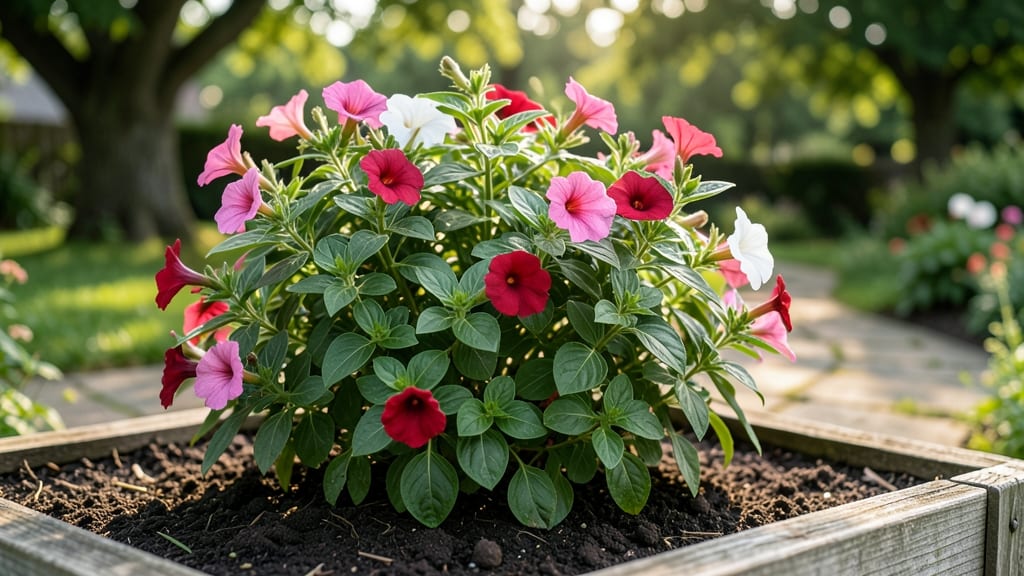
Impatiens flower care starts with a simple truth: these shade-loving stars thrive where most plants won’t even try. 🌿 I’ve grown impatiens in everything from deep shade gardens to bright porches, and the secret isn’t complicated—it’s about matching their needs to your space.
Too much sun? They’ll wilt. Too little water? They’ll sulk. But get it right, and you’ll have bold, continuous blooms from spring until frost.
Their care routine is surprisingly low-maintenance once you know the basics: daily watering (they hate dry soil), rich but well-draining soil, and the occasional pinch of fertilizer. Unlike sun-loving flowers, impatiens won’t scorch in shade—they’ll just stretch and look sad if they’re crowded.
The key is spacing them 12-18 inches apart so air circulates, and deadheading spent blooms to keep the flowers coming.
What you’ll end up with is a vibrant, fuss-free display that outlasts most annuals. The flowers stay bright and cheerful even in hot summer shade, and the plants grow fast enough that you’ll have full coverage in just a few weeks.
The only real challenge? Keeping them from flopping in heavy rain—staking or grouping them near taller plants solves that.
Works just as well in containers as garden beds, and they’re tough enough for beginners but rewarding enough for experienced gardeners. Let’s get those blooms thriving—whether in pots or planted directly in the ground.
📚 In This Guide
- What you need
- Instructions
- Tips and common mistakes
- Wrapping up and next steps
What you need
- ● Impatiens plants: Start with healthy seedlings or transplants (choose Impatiens walleriana for classic blooms or Impatiens new guinea for tropical varieties). Quantity: 1–3 plants per 12-inch pot or 1 plant per 1 square foot in garden beds.
- ● Well-draining potting mix: A high-quality blend with peat or coconut coir (avoid heavy clay soil). Quantity: 1–2 bags (5–10 qt) for containers or 1–2 cubic yards for garden beds.
- ● Containers (if growing in pots): 6–12 inch pots with drainage holes or window boxes. Material: Plastic, terracotta, or fabric grow bags.
- ● Slow-release fertilizer: Balanced 10-10-10 or organic options like compost or worm castings. Quantity: 1–2 tbsp per plant at planting time.
- ● Watering can or hose with a gentle spray nozzle: Impatiens hate soggy roots but need consistent moisture.
- ○ Mulch (optional but helpful): Shredded bark or pine straw to retain moisture and suppress weeds.
- ● Pruning shears: For trimming leggy stems or deadheading faded blooms.
- ○ Gloves (optional): Protect your hands from soil or thorny varieties (like Impatiens hawkeri).
- ○ Support stakes or cages (optional): For taller varieties (e.g., Impatiens new guinea) to prevent flopping.
- ○ pH testing kit (optional): Ideal soil pH: 6.0–7.0. Adjust with lime (to raise pH) or sulfur (to lower) if needed.
Step-by-Step guide to impatiens flower care
Here's how to keep your shade-loving impatiens vibrant all season long.
🌱 Step 1: Select the Perfect Planting Location
Impatiens thrive in partial to full shade, with 4-6 hours of dappled sunlight daily. Choose a spot where they receive morning sun and afternoon shade—this prevents leaf scorch while maintaining bloom production. Avoid deep shade areas where plants stretch and produce fewer flowers.
Test your location by observing how light behaves throughout the day. If nearby plants show signs of stress (yellowing leaves, sparse blooms), your spot may be too harsh. Amend heavy clay soil with 2-3 inches of compost to improve drainage—impatiens hate soggy roots.
💧 Step 2: Water Consistently Without Overdoing It
Keep the soil evenly moist but never waterlogged. Water deeply every 2-3 days until the top 1-2 inches of soil feel damp to the touch. Use your finger to check moisture—if it's dry at that depth, it's time to water. Overwatering causes root rot, while underwatering leads to crispy edges and wilting.
Water at the base of the plant in the morning to reduce fungal risks. Avoid wetting the foliage, which can promote powdery mildew. Mulch with 1-2 inches of shredded bark to retain moisture and suppress weeds—this cuts watering needs by nearly 30%.
☀️ Step 3: Feed Regularly for Continuous Blooms
Start fertilizing 2 weeks after planting with a balanced, water-soluble fertilizer (10-10-10) diluted to half-strength. Apply every 2 weeks throughout the growing season to encourage abundant, long-lasting blooms. Impatiens are heavy feeders, so don't skip this step—they'll reward you with nonstop color.
Watch for signs of nutrient deficiencies: yellow lower leaves indicate nitrogen needs, while sparse blooms suggest phosphorus deficiency. Switch to a bloom-boosting fertilizer (like 5-10-5) if flowers become sparse. Always water plants thoroughly after fertilizing to prevent root burn.
✂️ Step 4: Deadhead and Prune for Bushier Growth
Pinch back leggy stems to encourage bushier growth and more flowers. Use clean, sharp scissors to snip just above a leaf node where new growth can emerge. Deadhead spent blooms weekly—this redirects the plant's energy into producing fresh flowers instead of seed pods.
If impatiens become too leggy, cut back one-third of the plant in early summer. They'll bounce back with vigorous new growth and even more blooms. Avoid heavy pruning late in the season, as new growth won't have time to harden off before cooler weather arrives.
🪴 Step 5: Protect and Overwinter (If Possible)
Impatiens are annuals in most climates, but if you live in USDA Zones 10-11, you can overwinter them. Cut back plants by half their height after the first frost, then move pots to a sheltered, shaded spot. Reduce watering to every 10-14 days and avoid fertilizing until spring.
If you're starting fresh next season, take 4-6 inch cuttings in early spring. Dip cuttings in rooting hormone, plant in moist potting mix, and cover with a plastic bag to retain humidity. Roots should form in 3-4 weeks—then you're ready to replant outdoors.
Tips & tricks for perfect impatiens flower care
Took me years to figure out these shade-loving secrets—here's what nobody tells you about keeping impatiens thriving.
Light Strategy: The 4-6 hours of dappled sunlight in Step 1 is non-negotiable, but here's the trick: use a sheer curtain to filter harsh morning sun if your location gets too intense. I've seen impatiens scorch within hours when exposed to direct morning rays, even with afternoon shade. Test your spot by observing how nearby plants respond—if they show stress by noon, your impatiens will too.
Soil Science: That 2-3 inches of compost in Step 1 isn't just about drainage—it's about creating the perfect air-to-moisture balance. Mix in perlite or vermiculite if your native soil is particularly dense. I've found that amending with 20% compost by volume creates ideal pore space for root respiration while preventing compaction. The key is to work it into the top 6 inches of soil, not just surface-level.
Watering Wisdom: The 2-3 day watering schedule in Step 2 works perfectly in average conditions, but humidity levels change everything. In dry climates, you might need daily watering during heatwaves, while humid areas can stretch to 4-5 days between waterings. Always check that top 1-2 inches—if it's dry at that depth, water thoroughly. The secret is to water until you see runoff in the saucer, then empty it 15 minutes later to prevent soggy roots.
Fertilizer Timing: That 2-week wait before fertilizing in Step 3 gives roots time to establish, but here's what I've learned: split your first application into two feedings—half at 2 weeks and half at 3 weeks. This gradual introduction prevents fertilizer burn while still kickstarting growth. And when switching to bloom-boosting fertilizer (5-10-5), I've found that alternating it with the balanced formula every other feeding gives even better results than using it exclusively.
Pro Tips for Impatiens Flower Care
- Took me years to figure out these shade-loving secrets—here's what nobody tells you about keeping impatiens thriving.
- Light Strategy: The 4-6 hours of dappled sunlight in Step 1 is non-negotiable, but here's the trick: use a sheer curt...
- Soil Science: That 2-3 inches of compost in Step 1 isn't just about drainage—it's about creating the perfect air-to-m...
Frequently asked questions
Got questions about keeping your impatiens happy and blooming? Here are some of the most common concerns—plus quick fixes to keep your shade-loving beauties thriving!
How often should I water impatiens, and how do I know when they need it?
Water your impatiens consistently—aim for about 1 inch of water per week, either from rainfall or manual watering. Stick your finger 1–2 inches into the soil; if it feels dry, it’s time to water. Pro tip: Morning watering prevents fungal issues, and mulch helps retain moisture in hotter months.
Why aren’t my impatiens blooming, even though they look healthy?
Impatiens focus on foliage over flowers when they’re stressed. Check these fixes:
- Light: Ensure they get partial shade (3–6 hours of morning sun max). Too much sun = faded blooms.
- Fertilizer: Feed with a balanced, water-soluble fertilizer (like 10-10-10) every 4–6 weeks during growing season.
- Deadheading: Snip spent blooms to encourage new ones!
If they’re still sluggish, they might need repotting or a cooler spot.
What pests or diseases commonly attack impatiens, and how do I treat them?
Impatiens are tough but can fall prey to:
- Aphids/Spider Mites: Spray with neem oil or insecticidal soap. Keep plants well-watered to deter mites.
- Powdery Mildew: Improve airflow, water at the base (not leaves), and treat with fungicide if needed.
- Slugs/Snails: Set out beer traps or use organic pellets like iron phosphate.
Prevention tip: Avoid overhead watering and remove diseased leaves immediately.
Can I grow impatiens in containers, and what’s the best soil mix?
Impatiens thrive in containers with well-draining soil. Use a mix of:
- 50% peat or coconut coir (for moisture retention)
- 30% perlite or vermiculite (for aeration)
- 20% compost or worm castings (for nutrients)
Add a slow-release fertilizer to the mix, and ensure pots have drainage holes. Bonus: Use self-watering containers in hot climates!
Are impatiens annuals or perennials, and can I overwinter them?
Impatiens are tender perennials—they die back in frost but often self-seed in mild climates. In colder zones:
- Overwintering: Dig up plants, trim roots, and pot them in a cool, bright spot (50–60°F). Resume care in spring.
- Alternative: Treat them as annuals and replant each year for fresh blooms!
Fun fact: Some varieties (like Impatiens walleriana) may return if winters are short and mild!
Wrapping up and next steps
Caring for impatiens flowers is a rewarding journey that brings vibrant color to shady spots in your garden! With the right balance of watering, light, and soil conditions, these cheerful blooms will thrive and reward you with months of stunning displays. 🌸
Now that you’re armed with expert tips, why not take the next step? Pick a sunny (or shady!) spot in your garden, gather your supplies, and give these beauties the love they deserve.
Before you know it, your outdoor space will be bursting with life—and maybe even a few happy visitors admiring your showstopping blooms!