Size
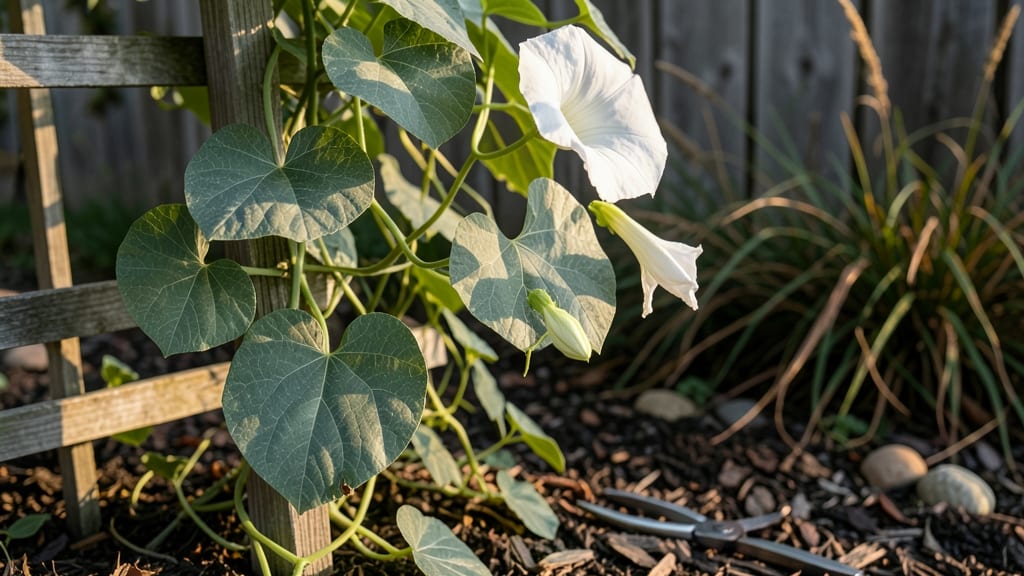
Growing moonflower vines transforms your garden into a twilight wonderland when the rest of the world sleeps. 🌙 The secret to their dramatic, fragrant blooms starts with understanding their love for warmth and patience—these vines reward you with silvery-white flowers that only open after dark, filling summer nights with a sweet, intoxicating scent.
Moonflowers thrive in full sun to partial shade, but they need well-draining soil and a sturdy trellis to climb. Plant seeds after your last frost when soil temperatures hit 70°F or warmer, and keep them consistently moist until germination (usually 7-14 days).
The key to fast growth is regular watering and a little fertilizer boost every 4-6 weeks—think of it as fuel for their rapid ascent. By midsummer, you’ll see 6-10 foot vines covered in blooms that last just one night but return night after night.
The fragrance alone makes them worth growing, but they also attract moths and hummingbirds that visit under cover of darkness. Just watch for Japanese beetles—they love moonflowers too, so be ready to handpick them.
Works best in zones 8-11, but with a little extra care (like overwintering in pots), you can grow them in cooler climates too. Here’s how to get started without the guesswork—your garden’s nighttime show begins now.
📚 In This Guide
- What you need
- Instructions
- Tips and common mistakes
- Wrapping up and next steps
What you need
- ● Moonflower seeds: 5–10 seeds (or 1–2 seed packets for a fuller display). Choose organic or heirloom varieties for best results.
- ● Well-draining potting mix: 1–2 gallons (for containers) or amend garden soil with compost (1 part compost to 3 parts soil).
- ○ Growing containers (optional for climbing): 5–10 gallon pots (if growing in containers)
- ● Trellis, fence, or sturdy post: At least 6–10 feet tall (moonflowers climb aggressively!). Use a wooden trellis, metal arbor, or chain-link fence.
- ● Watering can or hose: With a gentle spray nozzle (moonflowers hate soggy roots!).
- ● Fertilizer: Balanced 10-10-10 or organic options like fish emulsion or compost tea (apply every 4–6 weeks).
- ● Pruning shears: Sharp, clean pair for trimming vines (sterilize with rubbing alcohol between cuts).
- ● Mulch: Straw or shredded leaves (2–3 inches) to retain moisture and suppress weeds.
- ● Plant supports: Soft ties or Velcro strips to secure vines to trellises (prevents snapping!).
- ● Grow lights: If starting seeds indoors (12–16 hours of light daily).
- ● Pest control: Neem oil or insecticidal soap (for aphids or spider mites).
- ● Garden gloves: To protect hands from prickly vines (especially when pruning).
Step-by-step instructions for cultivating moonflower vines
Moonflowers thrive with the right timing and conditions—here's how to coax those dramatic night-blooming flowers.
🌱 Step 1: Select and Prepare Planting Sites
Moonflowers (Ipomoea alba) need a sun-drenched location with 6-8 hours of direct sunlight daily—they'll wilt in shade. Choose a spot with well-draining soil and 6 feet of vertical space for their rapid growth. If your soil is heavy clay, amend it with 2-3 inches of compost mixed into the top 12 inches of soil. I test drainage by digging a hole, filling it with water, and waiting—if it drains in under 2 hours, it's ready.
Moonflowers are annuals in most climates, so plant after your last frost date when soil reaches at least 60°F. Cold soil slows germination and weakens seedlings. If you're in a short-season area, opt for transplants instead of seeds—they bloom faster. Space plants 12-18 inches apart in rows 3 feet apart for airflow and climbing support.
☀️ Step 2: Plant Seeds or Transplants Correctly
For seeds, sow ½ inch deep—too deep delays germination. I like to plant 3-4 seeds per mound and thin to the strongest seedling after 2-3 true leaves appear. Transplants should go in same depth as their nursery pot to avoid stress. Press soil gently around roots to eliminate air pockets, then water deeply until moisture reaches 6 inches down.
Install a trellis, fence, or sturdy arbor immediately—moonflowers twine clockwise and need support from day one. If you wait until vines appear, you'll struggle to attach them without damage. Use soft twine or garden ties to guide young vines upward, adjusting as they grow. This prevents the leggy, floppy stems that happen when plants scramble for support.
💧 Step 3: Water and Fertilize for Vigorous Growth
Keep soil consistently moist but not soggy—moonflowers hate dry spells but root rot from overwatering. Water deeply 2-3 times weekly until top 2 inches of soil feel dry. You'll know it's right when water runs out the drainage holes but doesn't pool. Mulch with 2-3 inches of organic mulch (like shredded bark) to retain moisture and suppress weeds—this also keeps roots cool in summer heat.
Feed lightly with a balanced 10-10-10 fertilizer every 4-6 weeks once vines start climbing. Too much nitrogen makes leaves lush but delays blooms. Stop fertilizing 6 weeks before first frost—you want energy going to roots, not new growth. I switch to low-phosphorus fertilizer in late summer to encourage more flowers over foliage.
⏰ Step 4: Prune and Train for Maximum Blooms
Pinch back new growth by ⅓ when vines reach 12 inches tall to encourage bushier plants. This isn't harsh—just snip the top set of leaves with clean shears. Regular pruning prevents overly leggy vines and redirects energy to flower production. Remove any yellowed or diseased leaves immediately to keep plants healthy.
Watch for side shoots forming at leaf nodes—these are future blooming stems. Let them grow naturally; they'll twine upward and produce larger, more abundant flowers. Deadhead spent blooms in the morning when dew is present—this prevents seed pods from forming and encourages continuous nightly blooms through the season.
Tips & tricks for growing moonflowers
Common pitfalls—and how to sidestep every one when cultivating these ethereal night bloomers.
Location is Everything: Moonflowers demand that 6-8 hours of direct sunlight daily—no compromise. I've seen them struggle in partial shade, producing sparse blooms and weak stems. If your yard has limited sun, consider a container near a south-facing window or balcony. For maximum impact, choose a spot where the vines will climb a trellis or arbor, creating a stunning vertical display that catches evening breezes. The 6 feet of vertical space mentioned isn't just for show—it allows the vines to reach their full potential while preventing that dreaded "floppy vine" look.
Timing Secret: The 60°F soil temperature threshold is non-negotiable for germination. I've planted seeds too early in cool springs, only to watch them rot in the ground. Use a soil thermometer if possible—it's the only way to be certain. For those in short-season areas, transplants are your best bet. They bypass the slow germination phase and get straight to the business of climbing and blooming. When planting seeds, that ½-inch depth is critical—any deeper and they'll struggle to push through the soil.
Support System: Installing a trellis or arbor immediately prevents the leggy, floppy stems that occur when plants scramble for support later. Moonflowers twine clockwise, so choose a structure that accommodates this natural growth pattern. I recommend using soft twine or garden ties to guide young vines—avoid metal staples that can damage tender stems. The key is gentle guidance: adjust the ties as the vines grow, but don't cinch them too tight. Think of it like teaching a child to climb—support without restriction.
Watering Wisdom: That 2-3 times weekly watering schedule assumes your soil drains properly. Test your drainage by digging a hole, filling it with water, and timing how long it takes to drain. If it takes longer than 2 hours, amend your soil with compost as instructed. When watering, aim for deep soaking—moonflowers develop deep root systems that need consistent moisture at depth. The top 2 inches should feel dry before your next watering, but never let the soil become bone-dry. Mulching with 2-3 inches of organic material helps maintain that perfect moisture balance while keeping roots cool.
Pro Tips for Grow Moonflower
- Common pitfalls—and how to sidestep every one when cultivating these ethereal night bloomers.
- Location is Everything: Moonflowers demand that 6-8 hours of direct sunlight daily—no compromise. I've seen them stru...
- Timing Secret: The 60°F soil temperature threshold is non-negotiable for germination. I've planted seeds too early in...
Frequently asked questions
Got questions about growing moonflowers? You’re not alone! Here are some of the most common concerns—and their easy solutions—to help your night-blooming vines thrive.
How long does it take for moonflower seeds to germinate?
Moonflower seeds usually sprout within 10–20 days if kept in warm, moist soil (around 70–80°F). For faster results, soak seeds in water for 24 hours before planting. Patience is key—some seeds may take up to a month, especially in cooler conditions.
Can I grow moonflowers in containers?
Moonflowers thrive in large containers (at least 12–18 inches deep) with well-draining soil. Use a trellis or cage for support, and place the pot in a sunny spot. Just ensure the container has drainage holes to prevent root rot—these vines love to climb but hate soggy feet!
When is the best time to plant moonflower seeds?
Plant seeds after the last frost when soil temperatures reach at least 60°F. In warm climates, you can start as early as April, while cooler zones may wait until May or June. Moonflowers are tender annuals, so they won’t survive frost.
Why aren’t my moonflower leaves opening?
If your leaves stay curled or yellow, check for pests (aphids, spider mites) or overwatering. Ensure the vine has 6+ hours of sunlight daily and well-draining soil. Underwatering can also cause stress—keep soil consistently moist but not waterlogged. A gentle spray of neem oil may help if pests are the culprit!
What can I plant with moonflowers for a fuller garden?
Pair moonflowers with companion plants like morning glories, beans, or marigolds for a lush, pollinator-friendly display. Avoid planting near strong-scented herbs (like mint), as they may compete for nutrients. A trellis with climbing nasturtiums or sweet peas also adds color and texture!
Wrapping up and next steps
Growing moonflower vines is a rewarding journey that brings ethereal beauty and nighttime magic to your garden. With the right soil, sunlight, and a little patience, you’ll soon enjoy their stunning blooms—perfect for trellises, fences, or even containers. 🌙✨
Now that you’re armed with tips and tricks, roll up your sleeves and get planting! Track your progress, experiment with companion plants, and share your blooming success with fellow gardeners. Happy growing—your moonlit paradise awaits! 🌱💚
- Next step: Mark your calendar for blooming season (typically summer) and enjoy the show!