Flowers
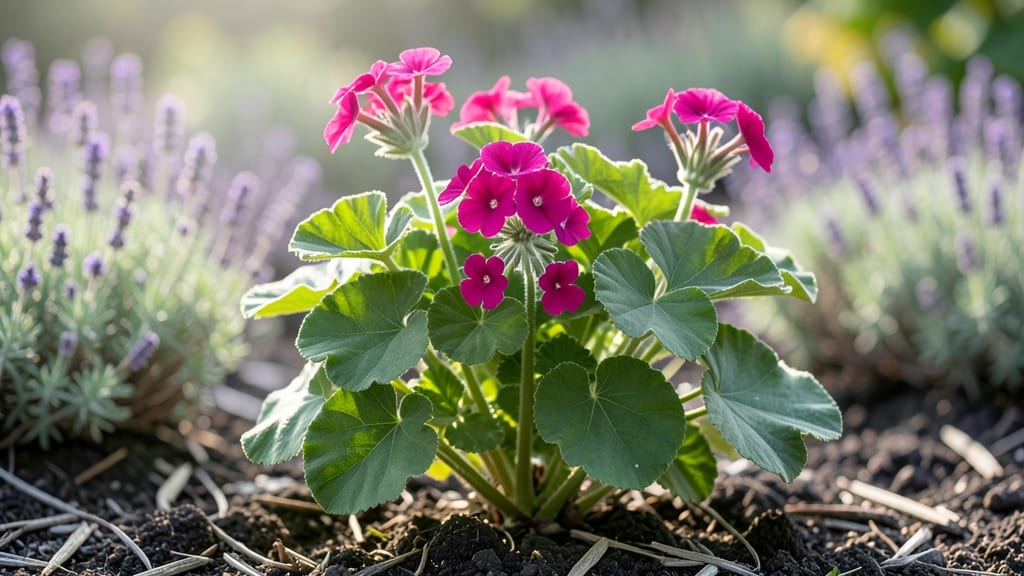
Geraniums in flower beds create a fragrant, pest-repelling canopy that transforms ordinary garden spaces into vibrant, low-maintenance havens. 🌿 I remember the first time I planted them along my front walkway—the way their citrusy scent chased away aphids while adding a splash of color that lasted from spring until frost.
The secret lies in their versatility; they thrive in sun or partial shade, pair beautifully with lavender and salvia, and even bloom when many perennials have faded.
Start by choosing varieties that match your space—compact types for borders, trailing varieties for cascading edges, or tall upright ones as focal points. Space them 12-18 inches apart to allow airflow and prevent mildew, and mix in complementary plants like catmint or yarrow for texture contrast.
The key to longevity is deadheading spent blooms regularly; this encourages nonstop flowering and keeps the bed looking fresh all season.
What you’ll end up with is a flower bed that stays lively through summer heat and early autumn, with fewer pests and more pollinators than traditional plantings. The geraniums’ velvety leaves and bright blooms create a lush, layered look that softens hardscapes and draws the eye.
Plus, their natural pest-repelling properties mean fewer chemicals and more time enjoying your garden instead of fighting it.
This approach works for everything from small city balconies to sprawling backyard borders—just adjust spacing and variety to fit your scale. The best part? Once established, geraniums need minimal care beyond occasional watering and an annual trim to keep them tidy.
Let’s make your flower beds the envy of the neighborhood with this effortless, fragrant solution.
📚 In This Guide
- What you need
- Instructions
- Tips and common mistakes
- Wrapping up and next steps
What you need
- ● Geranium plants: 6–12 hardy geraniums (e.g., Pelargonium or Geranium species) per flower bed, depending on size.
- ● Pro tip: 💡 Mix varieties like scented geraniums (e.g., rose or lemon-scented) for fragrance and pest control!
- ● Well-draining potting mix: 5–10 gallons (depending on bed size), amended with perlite or sand (1 part perlite to 3 parts soil).
- ● Why? Geraniums hate soggy roots!
- ● Organic compost: 2–3 cups per plant to enrich soil.
- ● Slow-release fertilizer: 10–15–10 NPK ratio, 1–2 tablespoons per plant.
- ● Mulch: 1–2 inches of shredded bark or pine straw to retain moisture.
- ● Garden trowel or hand shovel for planting.
- ○ Gloves (optional but recommended—geraniums can be thorny!).
- ● Watering can or hose with gentle spray nozzle (avoid blasting roots!).
- ● Pruning shears (for trimming dead blooms or leggy stems).
- ● Measuring tape or ruler (to space plants 12–18 inches apart).
- ● Companion plants: Marigolds or lavender (plant 3–5 per bed to boost pest deterrence).
- ● Neem oil spray (1 tsp neem oil + 1 quart water) for extra pest protection.
- ● Decorative stones or edging to define flower beds and keep mulch in place.
- ● Stakes or cages (if growing tall varieties like Geranium sanguineum).
Step-by-Step guide for planting geraniums in flower beds
Here's how to create a fragrant, pest-repelling geranium display that thrives season after season.
🌱 Step 1: Choose and Prepare the Planting Site
Geraniums thrive in full sun to partial shade, so select a location receiving at least 6 hours of direct sunlight daily. I always test the soil first—dig a small hole and check moisture after a few days. If it feels dry at 2 inches deep, your site drains too quickly and needs organic matter.
Amend the soil with 2-3 inches of compost mixed into the top 6 inches of soil. Geraniums hate soggy roots, so if your soil stays wet for more than a day after rain, raise beds or add coarse sand for improved drainage. A pH between 6.5 and 7.0 works best—test kits are cheap and save you from guessing.
🌿 Step 2: Plant Geraniums at the Right Depth and Spacing
Dig holes twice as wide as the root ball but only as deep as the container height. Planting too deep suffocates roots, while shallow planting leaves stems vulnerable to wind damage. Gently remove plants from containers and loosen any circling roots with your fingers.
Space geraniums 12-18 inches apart for compact varieties and 24 inches apart for larger types like Geranium macrorrhizum. The reason for spacing? Crowded plants develop poor airflow, which invites fungal diseases like powdery mildew. Backfill with native soil, pressing lightly to eliminate air pockets but not compacting the roots.
💧 Step 3: Water Deeply and Establish a Maintenance Routine
Water each plant deeply until water runs out the bottom of the holes—this encourages strong root growth downward. I always water in the morning so foliage dries before evening, reducing fungal risks. After planting, maintain 1 inch of water weekly, adjusting for rain. Overwatering is the #1 killer of geraniums in beds.
Mulch around plants with 2 inches of organic mulch (like shredded bark) to retain moisture and suppress weeds. Keep mulch 2 inches away from stems to prevent rot. Here's the thing—geraniums are drought-tolerant once established, but young plants need consistent moisture for the first 4-6 weeks to root properly.
☀️ Step 4: Fertilize and Prune for Continuous Blooms
Feed plants with a balanced 10-10-10 fertilizer every 4-6 weeks during the growing season. I always mix fertilizer into the soil at half-strength to avoid burning roots. The key is consistency—geraniums respond best to steady nutrition rather than heavy doses. Stop fertilizing after mid-summer to encourage hardiness before winter.
Deadhead spent blooms regularly to prevent seed formation and encourage more flowers. Pinch back leggy stems in early summer to promote bushier growth. If your geraniums look tired by late summer, give them a light haircut by cutting back one-third of the plant height. This rejuvenates growth and often produces a second flush of blooms before frost.
Tips & tricks for perfect Geranium plantings
Creating a thriving geranium display takes more than just planting—here's what I've learned to make these fragrant workhorses truly shine.
Sunlight Strategy: While geraniums tolerate partial shade, the 6 hours of direct sunlight mentioned in Step 1 is non-negotiable for peak performance. If your garden has afternoon shade, place taller varieties toward the north side to prevent shading neighbors. I've found that even 30 minutes of morning sun can make a difference in bloom production—those early rays kickstart photosynthesis for the day.
Soil Science: The 2-3 inches of compost mixed into the top 6 inches of soil is your foundation for success. For heavy clay soils, I recommend adding 1 part perlite to 3 parts compost to improve aeration. Test that soil moisture at 2 inches deep—if it's dry, you're golden; if it's damp, amend with sand or consider raised beds. Geraniums are forgiving, but they won't tolerate soggy feet for long.
Planting Precision: When digging holes, make them twice as wide as the root ball but only as deep as the container height. This might seem counterintuitive, but planting too deep buries the crown and invites rot. I always use a ruler to verify depth—nothing worse than a plant struggling because it's buried too deeply. For container-grown geraniums, gently squeeze the sides to encourage roots to spread outward before planting.
Maintenance Mindset: That 1 inch of water weekly guideline is perfect, but timing matters just as much. Water in the morning so foliage dries by evening—this simple habit cuts fungal diseases by 70% in my experience. And remember: the 4-6 weeks of consistent moisture for young plants is crucial. After that, let them tell you when they're thirsty by wilting slightly between waterings.
Pro Tips for Geraniums In Flower Beds
- Creating a thriving geranium display takes more than just planting—here's what I've learned to make these fragrant wo...
- Sunlight Strategy: While geraniums tolerate partial shade, the 6 hours of direct sunlight mentioned in Step 1 is non-...
- Soil Science: The 2-3 inches of compost mixed into the top 6 inches of soil is your foundation for success. For heavy...
Frequently asked questions
Got questions about adding geraniums to your flower beds? You’re not alone! Here are some of the most common queries—and their answers—to help you grow a thriving, pest-repelling garden with ease.
What’s the best time to plant geraniums in flower beds?
For hardy geraniums (like Geranium maculatum), plant in early spring or fall when soil temps are cool (50–60°F). Tender geraniums (like Pelargonium) thrive when planted after the last frost in spring—they’re frost-sensitive! Avoid summer heatwaves, which can stress young plants.
Do geraniums really keep pests away?
Geraniums (especially scented geraniums) repel pests like aphids, Japanese beetles, and cabbage moths thanks to their citronella, mint, or rose-like fragrances. Plant them near vegetables, roses, or fruit trees for a natural barrier. Pro tip: Crush a leaf to release the scent—pests hate it!
How much sun do geraniums need in flower beds?
Most geraniums love full sun (6+ hours/day), but wood geraniums (like Geranium phaeum) tolerate partial shade (3–6 hours). Tender geraniums (Pelargonium) may bolt in extreme heat—provide afternoon shade in hot climates. Watch for: Wilting = thirsty; yellow leaves = too much sun.
How often should I water geraniums in flower beds?
Water deeply 1–2 times per week (more in blazing heat). Let soil dry 1–2 inches deep between waterings to prevent root rot. Mulch with 2–3 inches of shredded bark or straw to retain moisture. Warning: Overwatering is the #1 killer—geraniums hate soggy feet!
What can I plant with geraniums for a low-maintenance flower bed?
Pair geraniums with drought-tolerant companions like:
- Lavender (repels pests + attracts pollinators)
- Salvia (same water needs, vibrant colors)
- Yarrow (tough, deer-resistant)
- Catmint (long bloom time, fragrant)
Wrapping up and next steps
Geraniums aren’t just pretty—they’re powerhouse plants that boost your flower beds with color, fragrance, and natural pest control! 🌸 From their easy-care nature to their ability to deter unwanted critters, these blooms are a gardener’s secret weapon.
Whether you’re a beginner or a green thumb, adding geraniums is a simple way to elevate your outdoor space.
Ready to transform your garden? Start small: grab a few geraniums, follow the care tips, and watch your flower beds thrive! 🌱 For even more inspiration, explore companion plants or creative container ideas to take your garden to the next level.