Fertilization
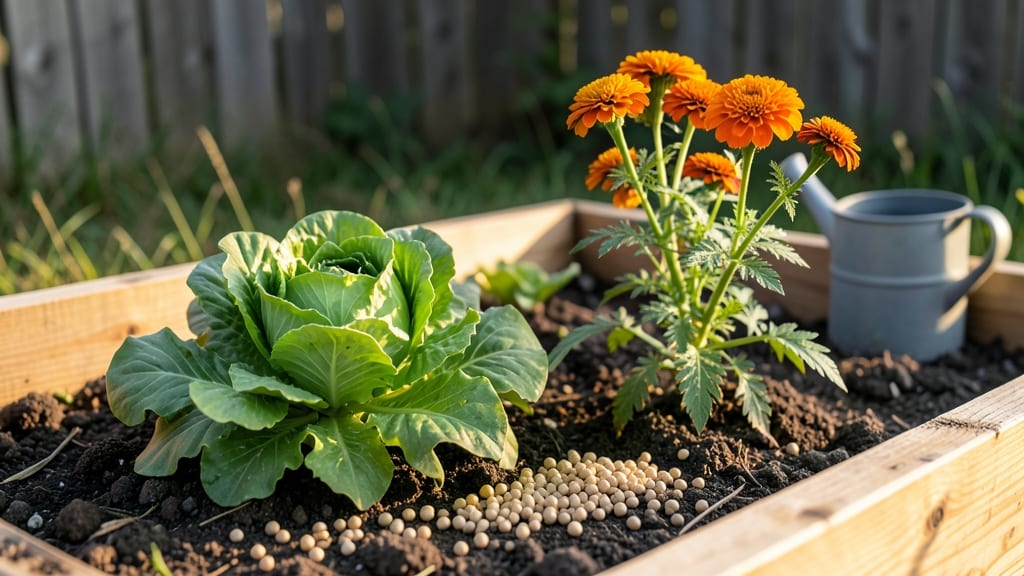
The right fertilizer for flowers and vegetables isn’t rocket science—it’s about feeding plants what they crave at each stage. 🌸 I learned the hard way that tomatoes need more potassium than roses, and my first batch of peppers turned bitter because...
I overdid the nitrogen. The right fertilizer transforms wimpy seedlings into robust producers and turns lackluster blooms into showstoppers.
You don’t need a PhD in horticulture to get this right—just a few key ingredients: a balanced all-purpose fertilizer for general growth, a bloom booster high in phosphorus for flowers, and a vegetable-specific feed rich in potassium.
Organic options like compost or fish emulsion work slowly but build soil health, while synthetic fertilizers deliver quick results. The trick is matching the fertilizer to the plant’s needs, not just dumping it on.
By midseason, you’ll notice the difference: deep green leaves, plump fruits, and nonstop blooms that last all summer. Tomatoes stay disease-resistant, roses multiply their petals, and herbs pack more flavor.
The secret? Timing—feed at planting, then again every 4-6 weeks with a light application, never overdoing it. Too much fertilizer burns roots faster than you can say "brown patches."
This approach works for containers, raised beds, and in-ground gardens alike. Whether you’re growing zucchini or zinnias, the same principles apply—just tweak the ratios. Let’s get those plants thriving without the guesswork.
📚 In This Guide
- What you need
- Instructions
- Tips and common mistakes
- Wrapping up and next steps
What you need
- ● Compost or well-aged manure (5–10 gallons) – Use cow, horse, or chicken manure (avoid dog/cat waste).
- ● Banana peels (1 cup, chopped) – Rich in potassium for blooms and fruit!
- ● Eggshells (½ cup, crushed) – Calcium boost for strong stems and cell walls.
- ● Coffee grounds (1 cup, used) – Adds nitrogen and acidity for acid-loving plants.
- ● Wood ash (½ cup, sieved) – Provides potassium and raises soil pH slightly.
- ● Epsom salt (magnesium sulfate) (1 tbsp) – Essential for green growth and flower production.
- ● Water (5 gallons) – For brewing liquid fertilizers.
- ● 5-gallon bucket or large container – For mixing ingredients.
- ● Garden gloves – Protect your hands from sharp eggshells or manure.
- ● Pruners or scissors – For chopping banana peels or trimming plant debris.
- ● Fine-mesh sieve or strainer – For sifting wood ash or compost tea.
- ● Spray bottle or watering can – For applying liquid fertilizers evenly.
- ○ pH testing kit (optional but helpful) – Ensures your soil is in the ideal range (6.0–7.0 for most plants).
- ● Fish emulsion (¼ cup) – Extra nitrogen for leafy greens.
- ● Aloe vera gel (2 tbsp) – Natural fungicide and growth stimulant.
- ● Compost tea starter – Speeds up decomposition for faster nutrient release.
- ● Slow-release granules (e.g., worm castings) – For long-term soil health.
Step-by-Step guide to applying fertilizer for flowers and vegetables
Here's how to feed your garden the right way—no guesswork, just vibrant growth.
🌱 Step 1: Test Your Soil First
Before adding fertilizer, test your soil's pH and nutrient levels using a home kit or lab service. Most vegetables thrive in pH 6.0-7.0, while many flowers prefer slightly acidic to neutral (5.5-6.5). I always test because over-fertilizing can burn roots or cause nutrient imbalances. If your soil tests low in phosphorus, for example, you'll know to prioritize bloom-boosting formulas for flowers.
Amend the soil with 1-2 inches of compost if tests show poor organic matter. Work it into the top 6 inches of soil to improve texture and microbial activity. This step ensures your plants can actually absorb the nutrients you'll add later—no fertilizer sticks to compacted or depleted soil.
💧 Step 2: Choose the Right Fertilizer Type
For vegetables, I recommend a balanced, slow-release fertilizer (like 10-10-10) at planting time, followed by a low-nitrogen, high-phosphorus formula (like 5-10-10) when flowers or fruit appear. Flowers often need higher phosphorus for blooms, so I switch to a 7-9-5 blend during their peak flowering stage. Always check the label for NPK ratios—those numbers tell you everything you need to know.
Granular fertilizers are easiest for beginners because they release nutrients gradually. Water-soluble fertilizers work faster but require more frequent applications. I mix 2 tablespoons of granular fertilizer per 10 square feet into the top 2 inches of soil at planting, then side-dress with another application 6-8 weeks later. This two-step approach prevents nutrient spikes that can scorch roots.
☀️ Step 3: Apply Fertilizer at Critical Growth Stages
Timing matters more than quantity. For vegetables, apply half the recommended dose at planting, then repeat 4-6 weeks later when plants show new leaf growth. Flowers need their first feeding when buds form, then again 2-3 weeks later for sustained blooms. I always water deeply before and after applying fertilizer to help nutrients penetrate the soil and prevent root burn.
Watch for visual cues: dark green leaves mean your plants are getting enough nitrogen, while plentiful blooms signal sufficient phosphorus. If leaves yellow between veins, that's a classic sign of iron deficiency—time to switch to a chelated iron supplement. Over-fertilizing shows up as leaf scorch or stunted growth, so when in doubt, apply less and observe for a week before repeating.
✂️ Step 4: Maintain with Regular Feedings
After the initial applications, switch to a liquid fertilizer every 4-6 weeks during the growing season. I use a fish emulsion or seaweed extract because they're gentle on roots and packed with micronutrients. Dilute according to package instructions—usually 1 tablespoon per gallon of water—and apply in the early morning to reduce leaf burn from evaporation.
For container gardens, I fertilize twice monthly with half-strength solution because potted plants deplete nutrients faster. Always water containers thoroughly before feeding to prevent salt buildup in the soil. You'll know you're doing it right when your plants show steady growth without sudden spikes in size—those are signs of balanced nutrition.
Tips & tricks for perfect garden fertilization
Took me years to learn these tricks—your plants will thank you for skipping the guesswork.
Soil Testing Accuracy: If your home soil test kit shows borderline pH levels, consider sending a sample to a lab for precise readings. I once wasted three seasons adjusting fertilizer ratios based on a kit that was off by 0.5 pH points—your plants' roots can't tell the difference between "close enough" and "just right." The 1-2 inches of compost recommendation in Step 1 works best when mixed into the top 6 inches of soil, not just sprinkled on top. Think of it like layering a lasagna: each layer builds on the last.
Fertilizer Ratio Logic: When choosing NPK blends, remember the numbers represent nitrogen, phosphorus, and potassium ratios. For vegetables, the 10-10-10 blend at planting provides balanced nutrition, while the 5-10-10 later focuses on phosphorus for root and fruit development. For flowers, the 7-9-5 during blooming prioritizes phosphorus (the middle number) to fuel those vibrant petals. Pro tip: Write the ratios on your fertilizer bags with a permanent marker so you don't mix them up during the season.
Application Technique: The 2 tablespoons per 10 square feet measurement in Step 2 assumes even distribution. For precise application, use a spreader and calibrate it first on a small area. I learned this the hard way after creating a fertilizer "hot spot" that burned my tomato plants. Always water before and after applying granular fertilizer—this helps nutrients dissolve and prevents salt buildup that can damage roots. For water-soluble fertilizers, dilute exactly as directed and apply in the early morning to prevent leaf burn from evaporation.
Visual Cues Matter: Pay attention to those dark green leaves and plentiful blooms mentioned in Step 3—they're your plant's way of communicating. Yellowing between veins? That's your cue to add chelated iron. Purple stems? Time for more phosphorus. I keep a small notebook near my garden to track what I've applied and when, along with any visual changes. This helps me spot patterns over time, like how my roses always need that extra phosphorus boost when buds form.
Pro Tips for Fertilizer For Flowers And Vegetables
- Took me years to learn these tricks—your plants will thank you for skipping the guesswork.
- Soil Testing Accuracy: If your home soil test kit shows borderline pH levels, consider sending a sample to a lab for ...
- Fertilizer Ratio Logic: When choosing NPK blends, remember the numbers represent nitrogen, phosphorus, and potassium ...
Frequently asked questions
Got questions about fertilizing your flowers and veggies?
You’re not alone! Here are some of the most common concerns—and their easy, actionable answers to keep your garden thriving.
What’s the best fertilizer for flowers vs. vegetables?
Flowers often need balanced, phosphorus-rich fertilizers (like 10-10-10 or 5-10-5) to encourage blooms, while vegetables benefit from nitrogen-heavy options (e.g., 10-5-5) for leafy growth. Tomatoes and peppers love a potassium boost (5-10-15) for fruit production. For versatility, use a slow-release granular fertilizer or organic compost tea for both!
When should I fertilize flowers and vegetables?
For vegetables, apply fertilizer at planting, then every 4–6 weeks. Flowers need feeding when buds form (spring/summer) and after blooming (fall). Avoid overdoing it—more isn’t better! Stick to the label’s schedule, and water deeply after applying to prevent root burn. Pro tip: Skip fertilizer in extreme heat or drought.
Are organic fertilizers worth the extra cost?
Organic options like compost, fish emulsion, or worm castings improve soil health long-term and reduce chemical runoff. They’re gentler on plants and beneficial microbes, though they may require more frequent applications. Budget hack: Mix homemade compost or coffee grounds into your garden beds for a free, nutrient-packed boost.
Why are my plants yellowing after fertilizing?
Yellow leaves often signal over-fertilization (too much salt) or burned roots. Flush the soil with water immediately and hold off on feeding for 2–4 weeks. If the issue persists, test your soil’s pH—ideal ranges: 6.0–7.0 for veggies, 6.0–6.8 for flowers. Prevention tip: Always follow package instructions and dilute liquid fertilizers.
Can I reuse last year’s fertilizer?
Granular fertilizers can last a season if stored dry and sealed, but liquid fertilizers degrade quickly. Organic options (like compost) improve over time—just refresh with new materials. Safety note: Discard any fertilizer that’s clumped, moldy, or smells off. When in doubt, buy fresh for the best results!
Wrapping up and next steps
Choosing the right fertilizer for flowers and vegetables is like giving your garden a supercharged vitamin boost! 🌱 Whether you’re nurturing vibrant blooms or bountiful veggies, the key is balancing nutrients—like nitrogen for lush growth, phosphorus for strong roots, and potassium for resilience.
Don’t forget organic options for soil health and slow-release fertilizers for steady nourishment.
Ready to transform your garden? Start by testing your soil, then pick a fertilizer tailored to your plants’ needs. Roll up your sleeves—your green thumb is about to shine brighter than ever! 🌟