Flowers
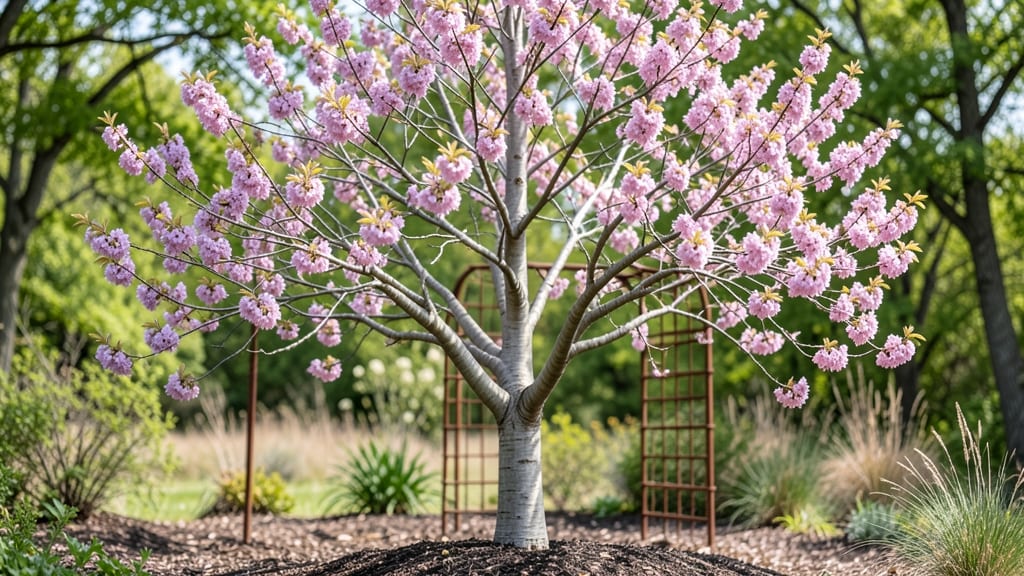
Those eastern redbud flowers burst into pink clouds every spring, and in the Pacific Northwest, the right pruning keeps them thriving through frost and rain. I’ve watched mine go from struggling saplings to the showstopper of my garden—all by following a few key rules about when and how to trim.
The secret isn’t complicated: prune at the right time, and you’ll get longer bloom seasons and fewer winter casualties.
This tree loves full sun to partial shade and tolerates most soils, but it hates soggy roots—so well-draining soil is non-negotiable. In the PNW’s damp climate, I’ve found that late winter or early spring pruning (just before buds swell) gives the best results, while avoiding cuts after summer growth.
Mulch heavily in fall to protect roots from freezing, and you’ll see fewer dead branches after winter storms.
By summer, you’ll be rewarded with weeks of vibrant pink blooms that attract bees and hummingbirds. The flowers appear before the leaves, creating a stunning display, and the tree’s compact size makes it perfect for small yards.
Just avoid heavy pruning in fall—it stresses the tree before winter, and you’ll lose next year’s blooms.
Whether you’re planting a young sapling or pruning an established tree, the PNW’s mild winters actually work in your favor—just time your cuts right. I’ll show you exactly how to shape it for maximum blooms, plus how to propagate new trees from seeds or cuttings. Let’s get those redbuds thriving!
📚 In This Guide
- What you need
- Instructions
- Tips and common mistakes
- Wrapping up and next steps
What you need
- ● Eastern redbud plants: 1–3 Cercis canadensis seedlings or small saplings (bare-root or potted, 1–3 ft tall)
- ● OR seeds (collect from mature pods or purchase from a nursery; 10–20 seeds for best germination odds)
- ● Soil amendments: 5–10 lbs compost or well-rotted manure per planting hole
- ○ 1–2 lbs bone meal (optional, for phosphorus boost)
- ● Planting tools: 1 garden trowel or spade
- ● 1 pruning shears (sterilized, for trimming roots/seeds)
- ● Mulch: 2–3 inches wood chips or straw mulch (to retain moisture and insulate roots)
- ● pH test kit (ideal soil pH: 6.0–7.0)
- ● slow-release fertilizer (balanced 10-10-10 or rose-specific)
- ● tree stakes (if planting in windy areas)
- ● seed-starting tray + grow lights (for indoor seed germination)
- ● frost cloth (for early spring protection in colder PNW zones)
- ● Sunlight: Full sun to partial shade (6+ hours of sunlight daily)
- ● Hardiness zone: 4–9 (PNW-friendly!)
- ● Spacing: 15–25 ft apart (allows for mature tree growth)
- ● Well-draining soil: Avoid waterlogged areas (redbuds hate soggy roots!)
Step-by-Step guide to pruning eastern redbud trees in cold climates
Here’s how to keep your Pacific Northwest redbuds thriving through winter and bursting with spring blooms.
Time Your Pruning for Late Winter or Early Spring
Wait until late February or early March—after the worst frosts have passed but before new buds swell. In the Pacific Northwest, this timing prevents late-season cold snaps from damaging fresh cuts. Look for bare branches with no leaves as your cue; the tree should still be dormant but ready to wake.
If you prune too early, you risk exposing tender new growth to unexpected freezes. If you wait too long, you’ll remove flower buds that form over the previous summer. I always check the 10-day forecast before pruning to avoid surprises.
Remove Dead, Diseased, or Crossing Branches First
Start by cutting out any dead, broken, or diseased wood—these are easy to spot because they’re brown, brittle, or oozing sap. Next, remove branches that cross or rub against each other; these wounds invite pests and rot. Use clean, sharp pruners to make cuts just outside the branch collar (the swollen area where the branch meets the trunk).
I like to work from the bottom up, so I don’t accidentally damage healthy branches while reaching for higher cuts. If a branch is thicker than ½ inch, use a pruning saw to avoid tearing the bark. Always cut at a 45-degree angle to help water run off.
Thin Out Overcrowded Branches for Better Airflow
Eastern redbuds naturally grow with a rounded canopy, but dense growth can lead to fungal issues in wet Pacific Northwest winters. Selectively remove 10-20% of the smallest, innermost branches to improve airflow and sunlight penetration. Focus on branches growing straight upward—they rarely produce flowers and can block light from lower buds.
Step back often to visualize the tree’s shape. You want an open, vase-like structure that lets light reach the center. Avoid heavy pruning—never remove more than 25% of the canopy in one season, or you’ll stress the tree. If you’re unsure, err on the side of caution and leave a branch; redbuds are forgiving.
Shape for Frost Resistance and Spring Blooms
To protect flower buds from late frosts, avoid cutting back into old wood—the blooms form on one-year-old branches. Instead, prune to open the center and encourage new growth on the outer edges. If a branch is too long, shorten it back to a side bud or lateral branch facing outward.
In the Pacific Northwest, where hard frosts can linger, I recommend light pruning in late winter rather than aggressive shaping. The goal is to reduce wind resistance while preserving next year’s flowers. After pruning, clean up all debris—leaving fallen branches on the ground can harbor pests.
Apply Wound Dressing (Optional) and Monitor Recovery
Skip commercial wound dressings—they don’t help and can trap moisture. Instead, let the tree’s natural healing process take over. Water deeply after pruning if the soil is dry, but avoid overwatering. Redbuds are drought-tolerant once established, but new cuts need moisture to heal properly.
Watch for new leaf buds in early spring—that’s your sign the tree is recovering. If you see yellowing leaves or oozing sap at pruning cuts, the cuts may have been too aggressive. Next year, adjust your approach to smaller, more precise cuts. With proper care, your redbud will reward you with stunning pink blooms each spring.
Tips & tricks for perfect eastern redbud pruning
Pruning your redbuds right ensures those iconic pink blooms return year after year—here’s how to avoid common pitfalls and get it done like a pro.
Timing is Everything: That late February to early March window is non-negotiable for Pacific Northwest redbuds. I’ve learned the hard way that pruning too early risks frost damage to new growth, while waiting too long removes next year’s flower buds. Check for bare branches with no leaves—they’re your perfect cue. Pro tip: Use a local frost forecast app to confirm your timing, especially if you’re in higher elevations where cold snaps linger.
Tool Precision Matters: Sharp, clean pruners are your best friend—dull tools crush stems instead of making clean cuts. For branches thicker than ½ inch, switch to a pruning saw to avoid tearing the bark. I always sanitize my tools with rubbing alcohol between cuts to prevent spreading disease. And remember: always cut just outside the branch collar at a 45-degree angle to help water run off properly.
Shape with Purpose: When you’re thinning those overcrowded branches in Step 3, focus on creating that open vase shape. Remove upward-growing branches first—they rarely flower and block light from reaching inner buds. Step back every few cuts to visualize the tree’s structure. The goal is to let sunlight reach the center while maintaining that natural rounded silhouette redbuds are known for.
Recovery Check: After pruning, watch for new leaf buds in early spring—they’re your sign the tree is recovering well. If you notice yellowing leaves or oozing sap at cuts, you’ve been too aggressive. Next year, aim for smaller, more precise cuts. I’ve found that redbuds are remarkably forgiving, but they do reward careful pruning with bigger, more vibrant blooms.
Pro Tips for Eastern Redbud Flowers
- Pruning your redbuds right ensures those iconic pink blooms return year after year—here’s how to avoid common pitfall...
- Timing is Everything: That late February to early March window is non-negotiable for Pacific Northwest redbuds. I’ve ...
- Tool Precision Matters: Sharp, clean pruners are your best friend—dull tools crush stems instead of making clean cuts...
Frequently asked questions
When is the best time to plant eastern redbud trees in the PNW?
The ideal window is early spring (March–April) or fall (September–October), once soil temperatures rise above 40°F. This gives roots time to establish before summer heat or winter frost. Avoid planting in late summer—drought stress can stunt growth. Pro tip: Water deeply after planting and mulch to retain moisture!
How cold can eastern redbuds handle?
These hardy trees thrive in USDA Zones 5–9, tolerating temps down to -20°F. In the PNW, they’re frost-resistant but may need light protection (like a burlap wrap) for young saplings during unexpected deep freezes. Watch for: Browning leaves post-frost—prune damaged branches in early spring.
Why aren’t my eastern redbud flowers blooming?
Common culprits include:
- Age: Trees <5 years old may not bloom yet—patience!
- Over-fertilizing: Too much nitrogen = fewer flowers. Use a low-phosphorus fertilizer (like 5-10-10) in early spring.
- Poor sunlight: They need full sun (6+ hours/day). Shady spots = sparse blooms.
- Stress: Drought, pests (like spider mites), or root damage can delay flowers.
Fix it: Prune dead branches, water consistently, and ensure well-draining soil.
Can I grow eastern redbuds in containers?
Yes! Choose a large pot (15+ gallons) with drainage holes and use fast-draining potting mix. Container-grown redbuds need regular watering and may bloom less than in-ground trees. Move pots to a sheltered spot in winter to protect roots. Bonus: Dwarf varieties (like ‘Alba’) are perfect for containers!
How and when should I prune eastern redbud flowers?
Prune right after blooming (late April–May) to avoid cutting off next year’s flowers. Focus on:
- Removing dead, diseased, or crossing branches.
- Thinning out overcrowded areas for airflow.
- Avoid heavy pruning—redbuds bloom on old wood.
Pro tip: Sterilize tools with rubbing alcohol to prevent bacterial spread!
What are some frost-resistant alternatives to eastern redbud?
If you love the look but want more PNW resilience, try:
- Pacific Dogwood (Cornus nuttallii) – Thrives in wetter climates, stunning spring blooms.
- Oregon Grape (Mahonia aquifolium) – Evergreen, drought-tolerant, and pollinator-friendly.
- Western Redbud (Cercis occidentalis) – Drought-resistant and slightly hardier than eastern redbud.
- Serviceberry (Amelanchier alnifolia) – Edible berries + spring flowers!
Note: All handle frost well but may vary in bloom timing.
Wrapping up and next steps
Growing eastern redbud flowers in the Pacific Northwest is a rewarding journey—one that brings vibrant spring color and resilience to your garden. 🌸 With the right frost-resistant pruning techniques and care, these stunning bloomers can thrive for years, becoming a standout feature in your landscape.
Ready to see your hard work flourish? Start by planting one this season and watch your garden transform!
🌱 Next Steps:
- Choose a sunny spot and prepare the soil.
- Follow your pruning blueprint to encourage healthy growth.
- Share your progress with fellow gardening enthusiasts!